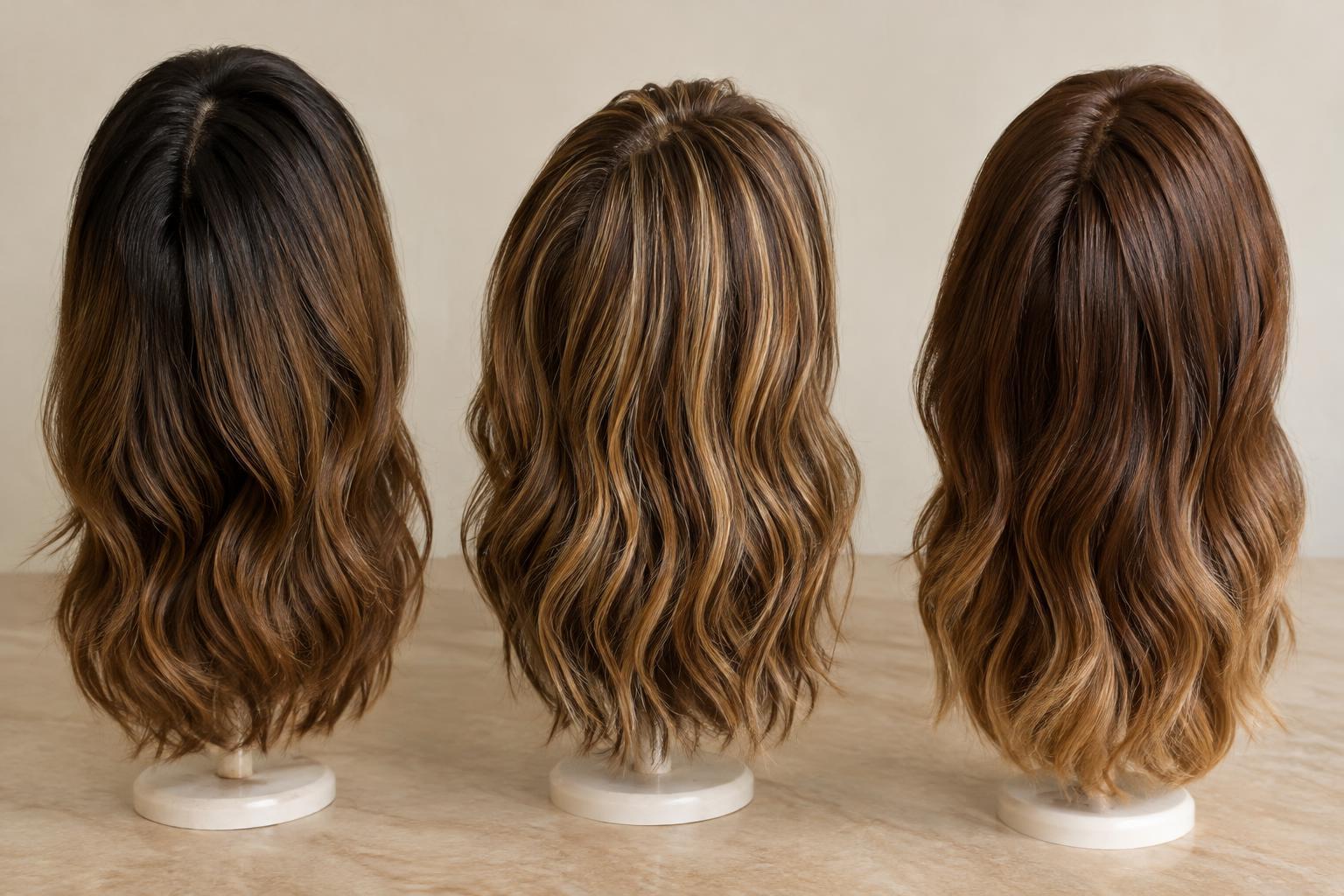
Wig Types and MaterialsA wig colour name rarely tells the whole story. Learn what rooted, highlighted and tipped shades can look like, how placement changes with a parting or curl, and what to check before choosing a colour online.
Read article · 3 min↗
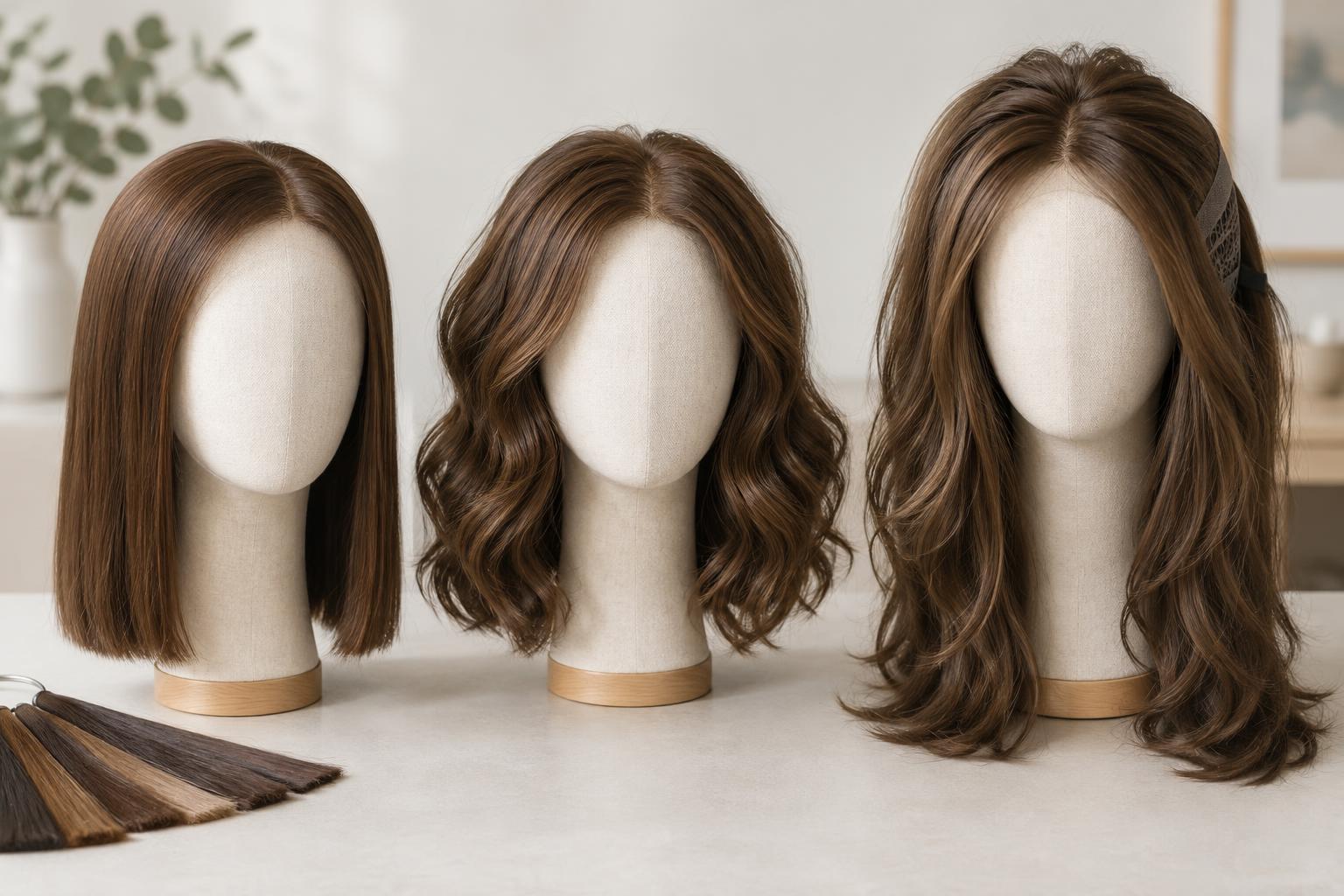
Wig Types and MaterialsWig density describes how much hair a wig appears to have, but a percentage on a product listing cannot tell the whole story. Learn how cap construction, fibre texture, length and hair placement affect fullness, and how to assess a wig before choosing it.
Read article · 3 min↗
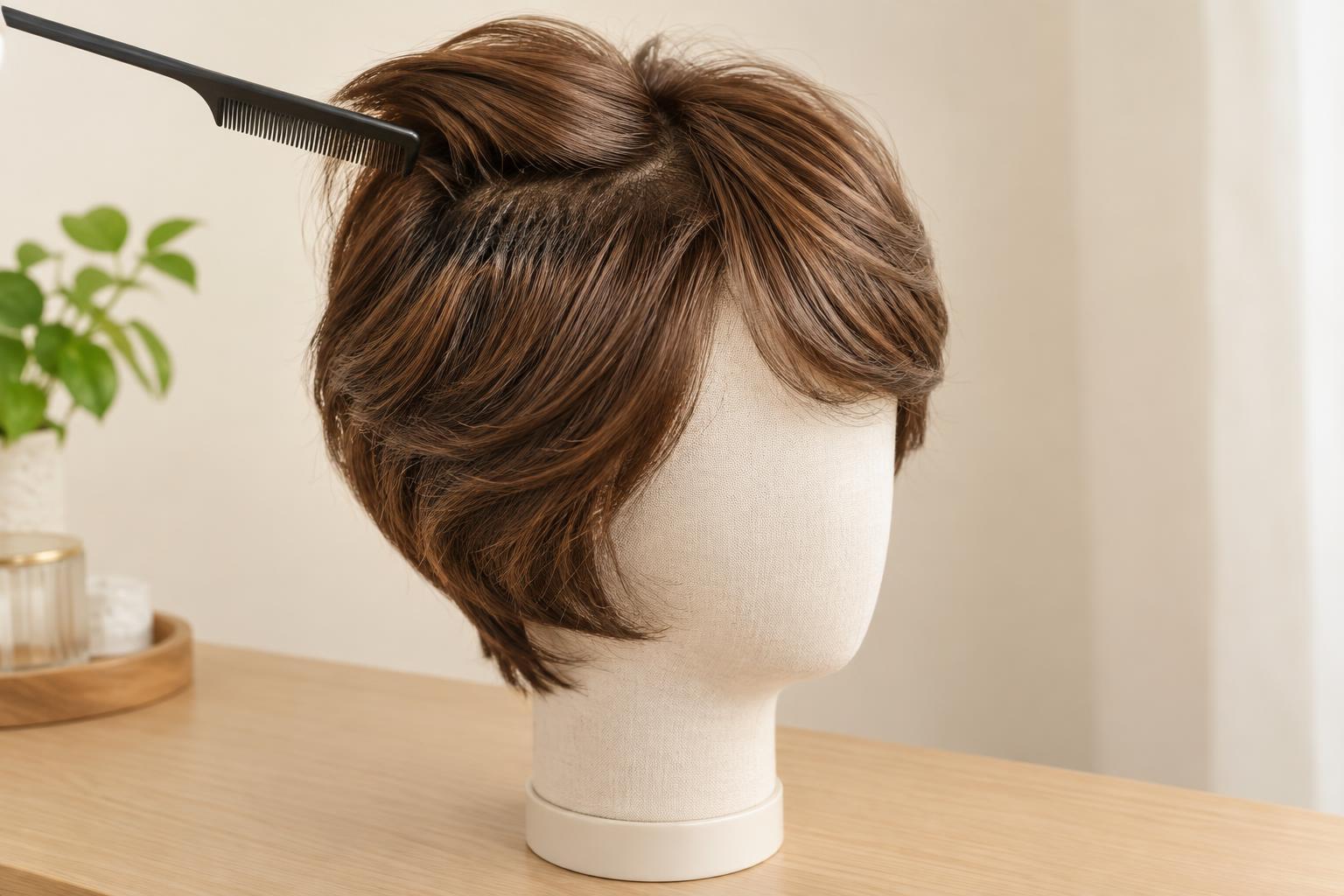
Wig Types and MaterialsPermatease is a layer of short, crimped fibres near the roots of some wigs. Learn why it creates volume, how it affects the look and feel of a wig, and what to check before you buy.
Read article · 4 min↗
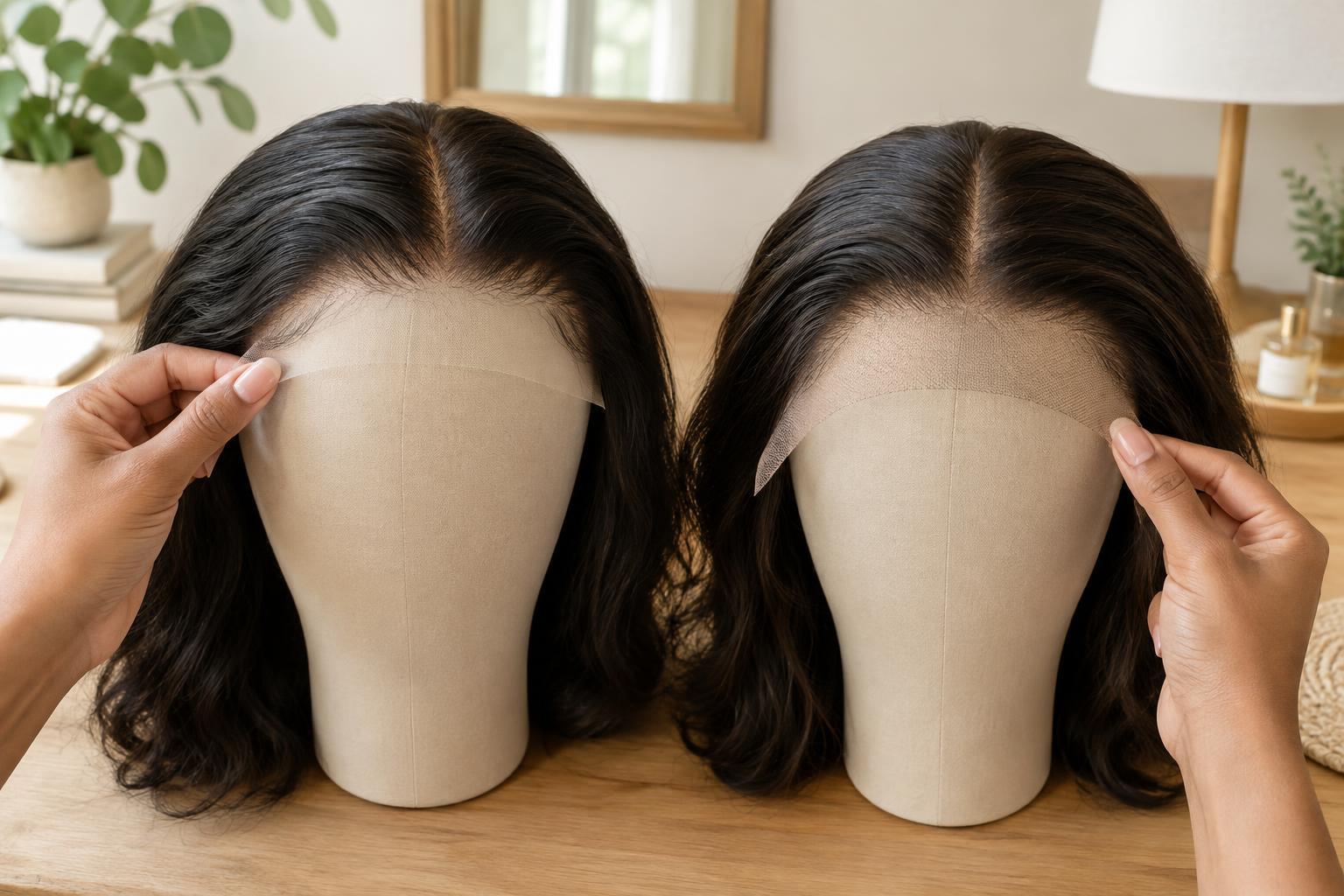
Wig Types and MaterialsHD lace is prized for a fine, subtle-looking hairline, but its delicate construction is not the best choice for everyone. Learn how it compares with standard wig lace, what affects visibility, and how to weigh appearance against everyday wear and care.
Read article · 4 min↗
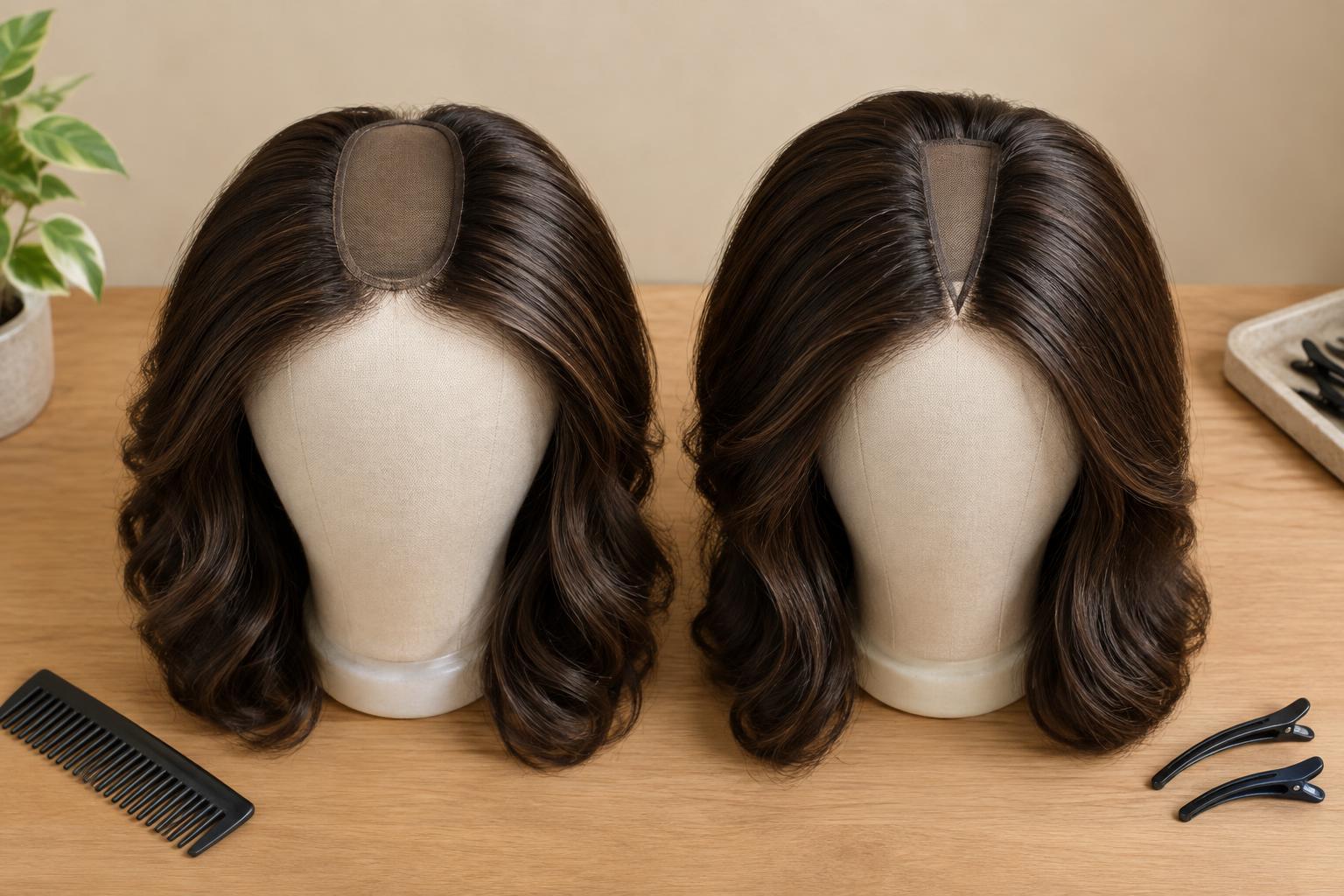
Wig Types and MaterialsU-part and V-part wigs both have openings at the top of the cap, but the shape and size of those openings affect how much of your own hair you may use to create a part. Learn how each construction works, what to check before buying, and how to choose an option that suits your styling preferences.
Read article · 4 min↗
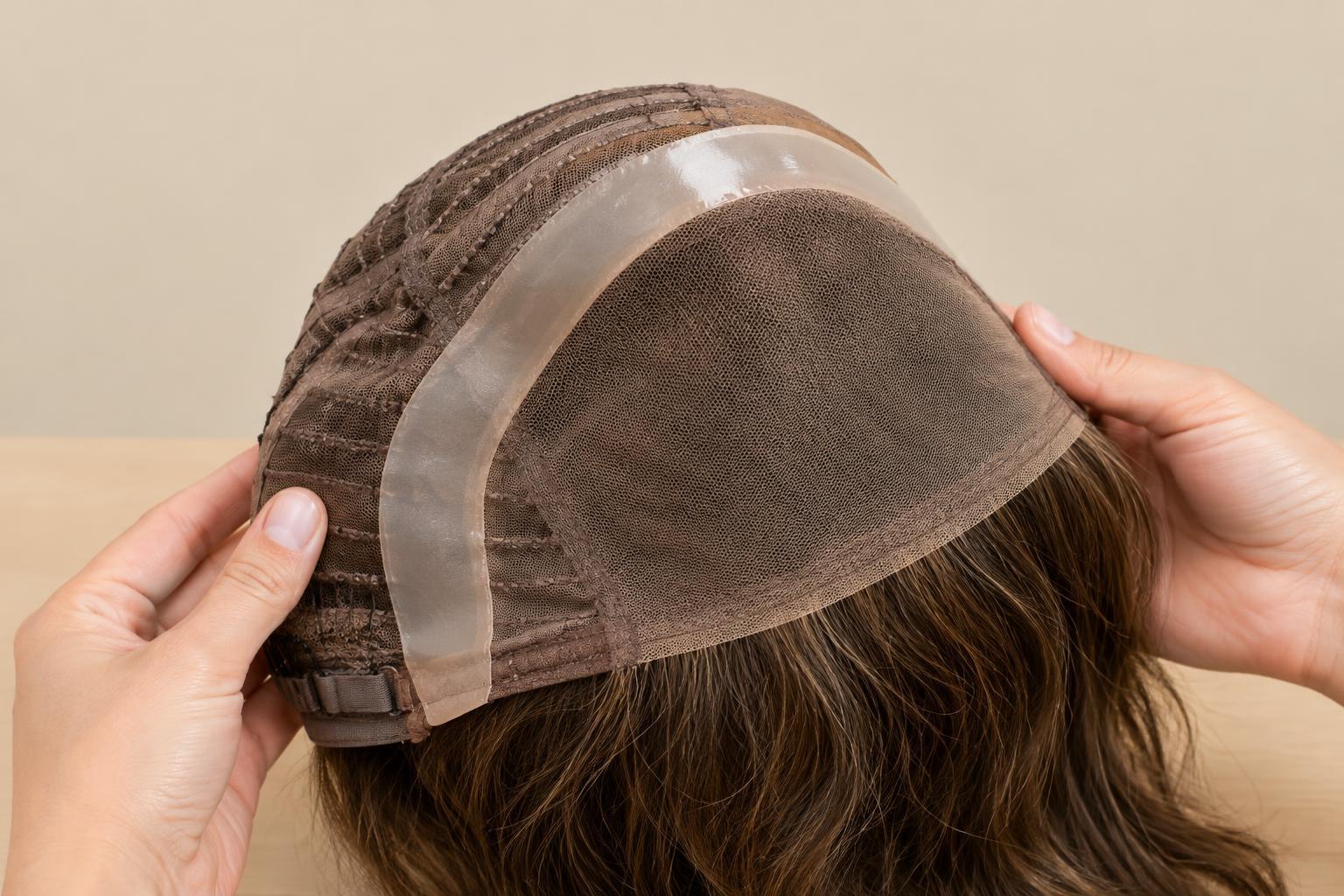
Wig Types and MaterialsA polyurethane perimeter can provide a smooth surface for attaching a wig, but it feels and behaves differently from lace. Learn where PU strips are commonly placed, how they affect appearance and comfort, and what to check when comparing wig constructions.
Read article · 4 min↗
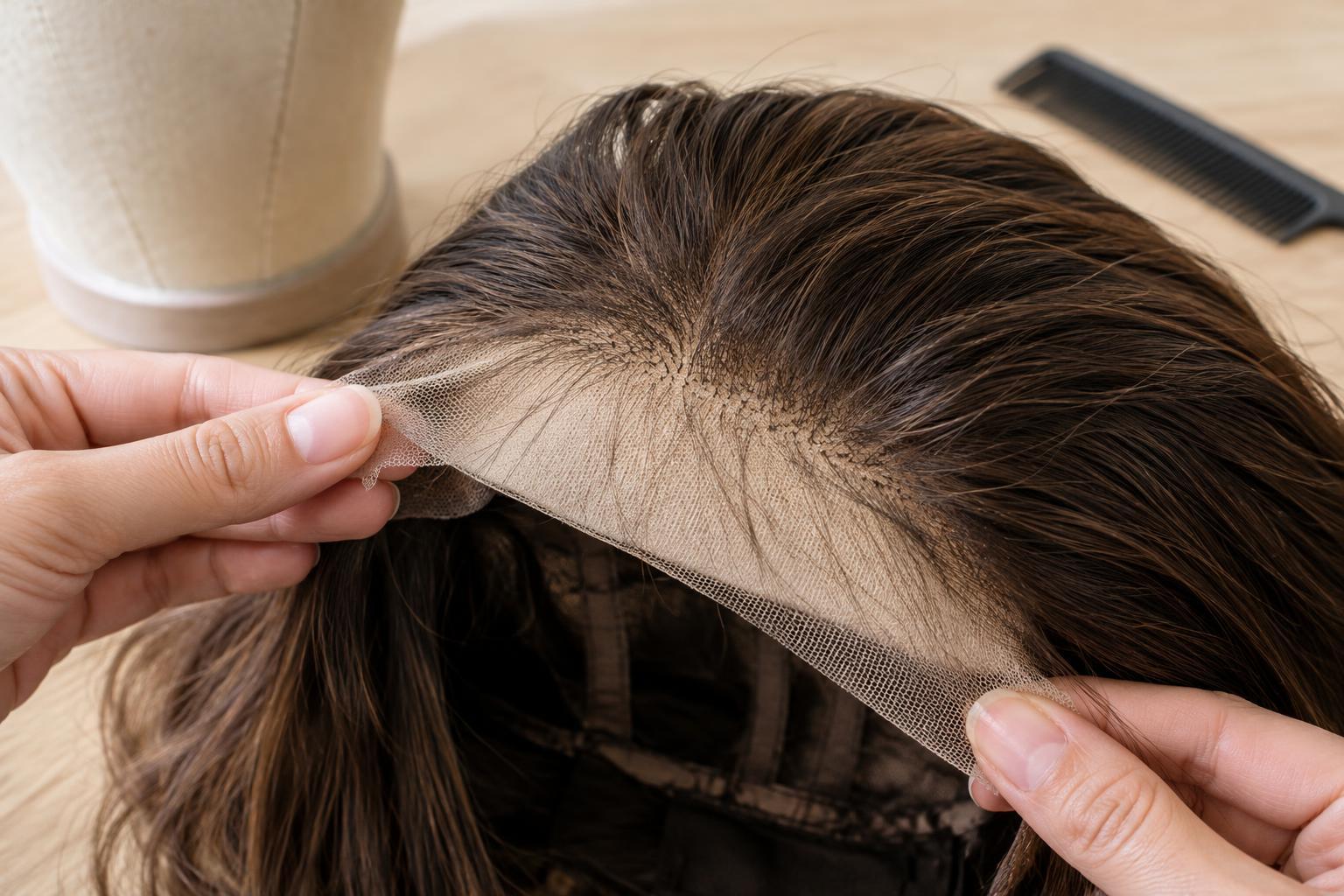
Wig Types and MaterialsThe knots that secure hair to a lace wig can affect how natural the hairline looks and how well the wig holds up to wear. Learn the practical differences between single and double knots, where each may be used, and what to check before buying.
Read article · 4 min↗
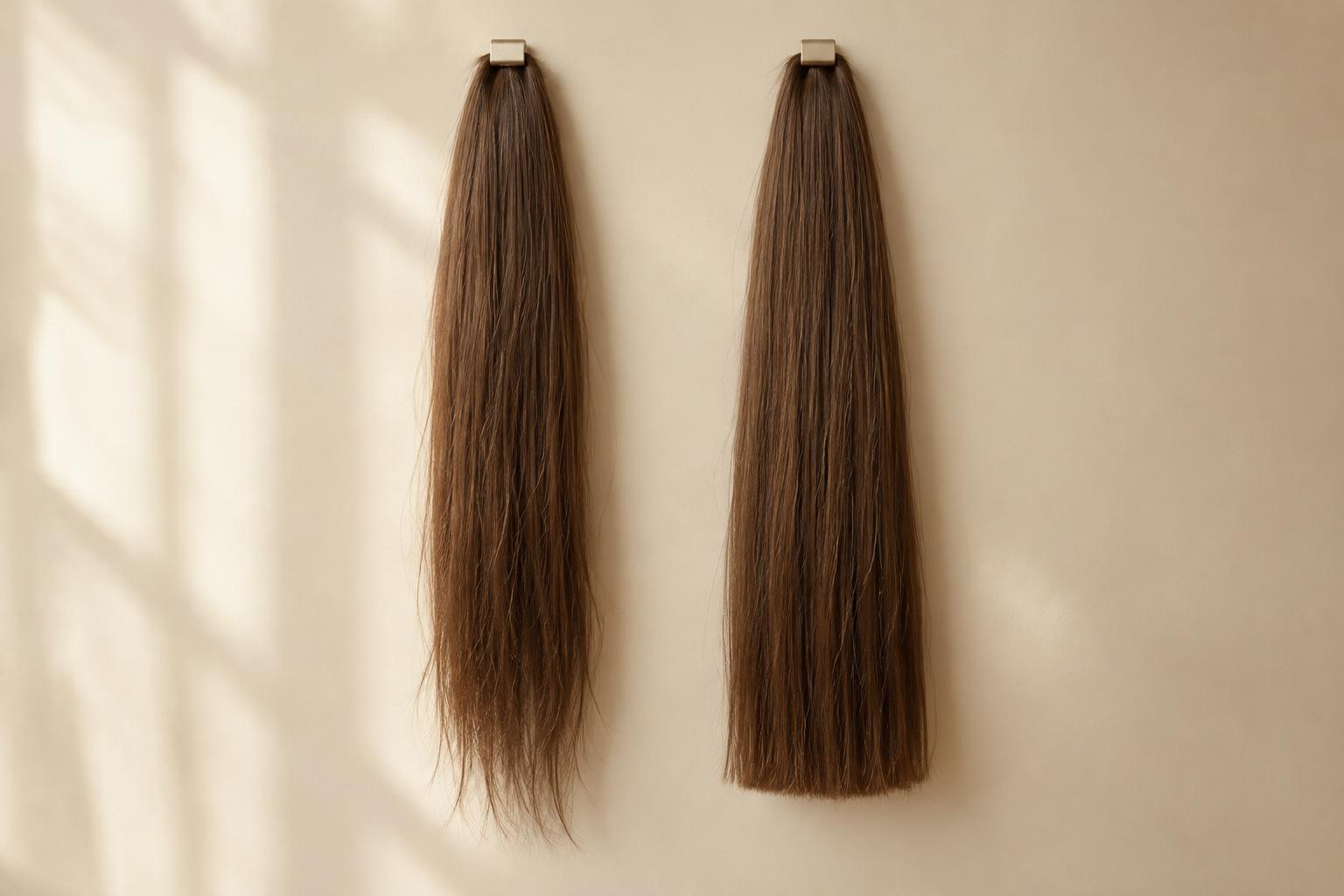
Wig Types and MaterialsSingle-drawn and double-drawn describe how consistent the strand lengths are in a hair bundle. Learn why that changes the shape of the ends, what the terms do not tell you, and how to compare wigs and hairpieces before buying.
Read article · 4 min↗
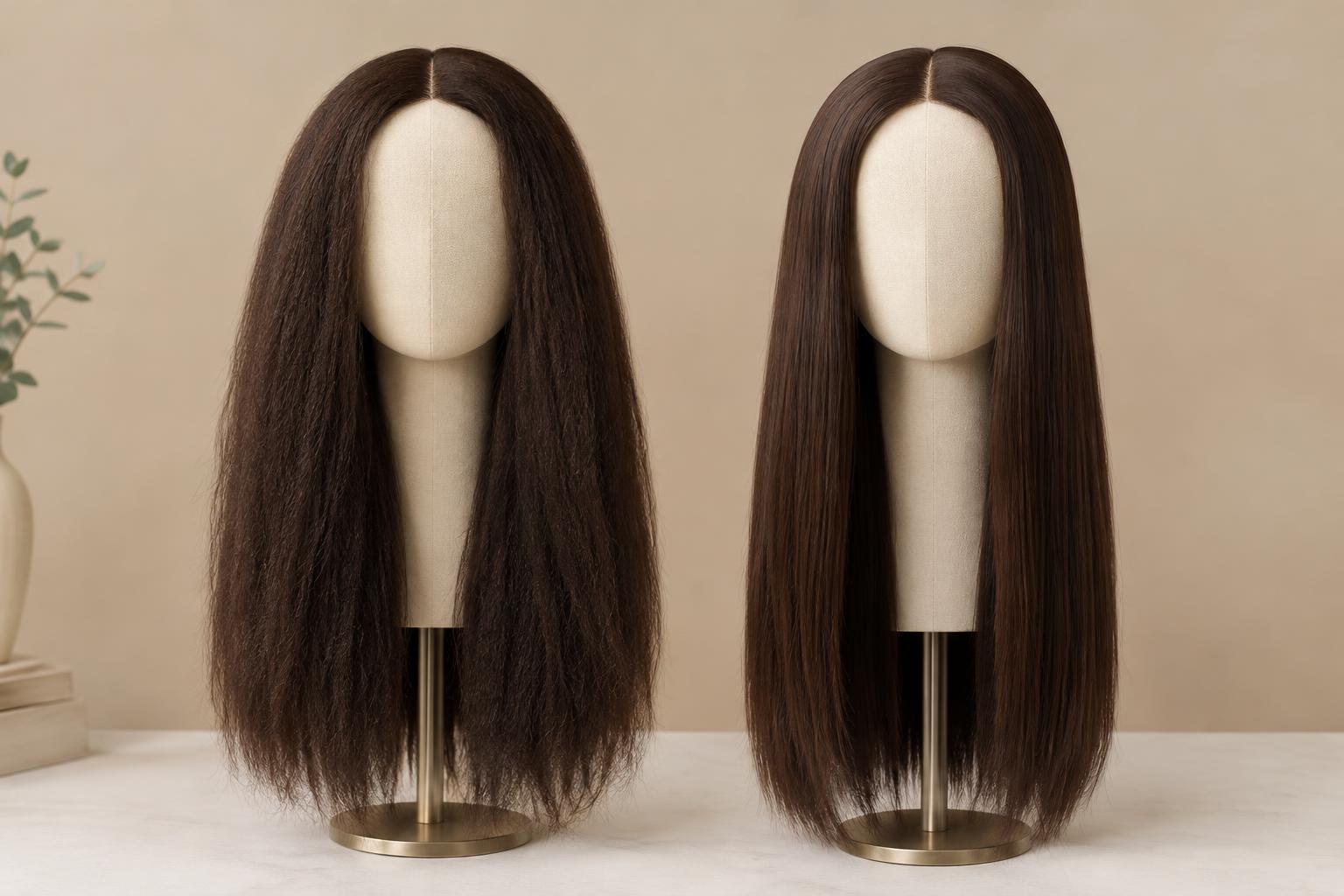
Wig Types and MaterialsYaki and silky-straight wigs can look similar in a product photo, but they differ in surface texture, movement and finish. Learn what each label usually means, how to compare wigs before buying and how to care for the texture you choose.
Read article · 4 min↗
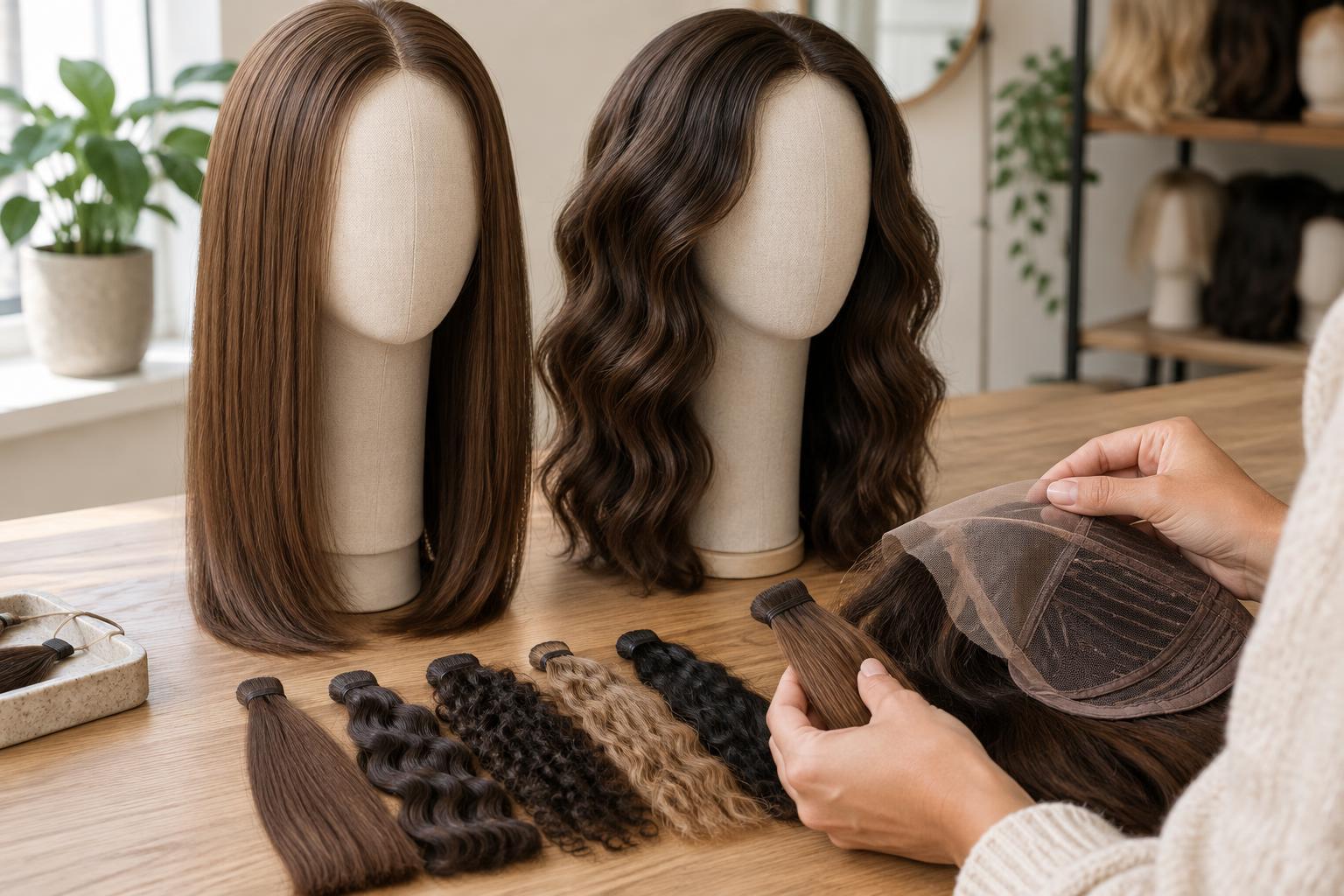
Wig Types and MaterialsLabels such as “European” and “Brazilian” can be useful shopping shorthand, but they do not always establish where a wig’s hair was collected. Learn how to separate origin claims from texture, processing and construction details so you can compare wigs more confidently.
Read article · 4 min↗
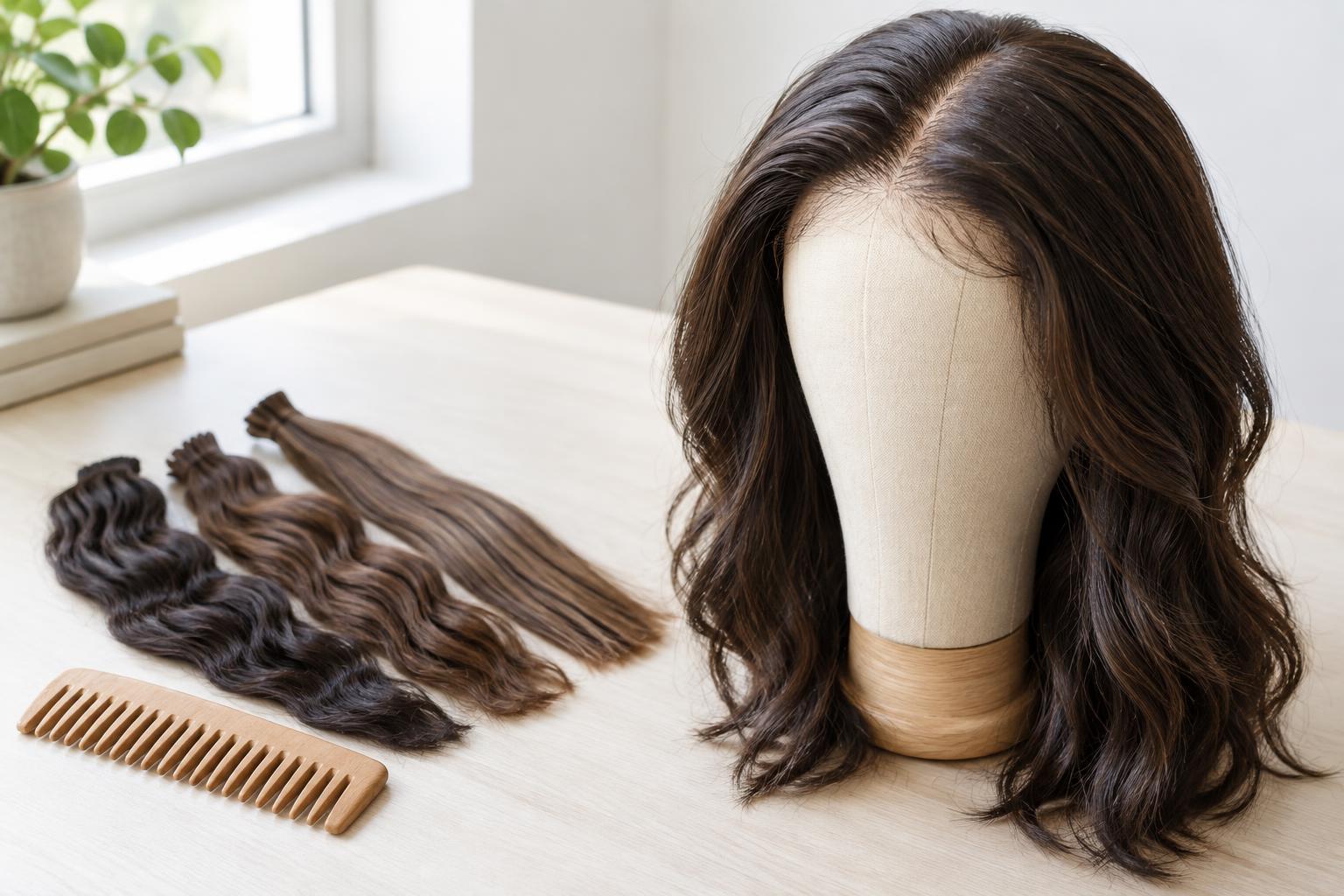
Wig Types and MaterialsVirgin hair is usually described as human hair that has not been chemically coloured or permanently altered. On wig listings, though, the term does not always tell you how the hair was collected, whether it was heat-styled, or how the finished wig will behave. Here is how to read the label and ask useful questions before buying.
Read article · 4 min↗
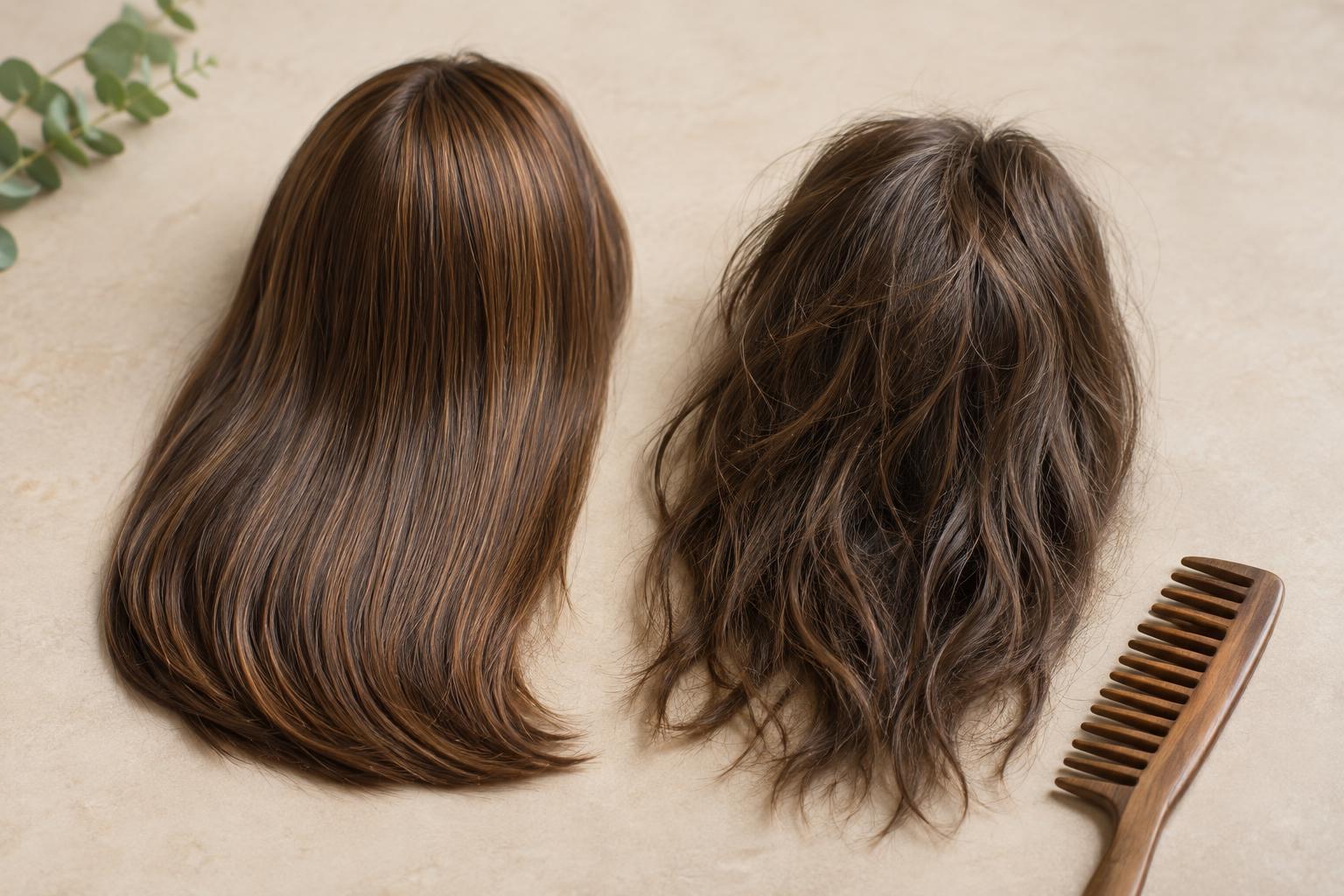
Wig Types and MaterialsRemy and non-Remy describe how human hair strands are arranged, not a guaranteed level of quality. Learn why cuticle direction can affect tangling, how processing changes the picture, and what to ask before buying a wig or hairpiece.
Read article · 4 min↗

Wig Types and MaterialsA wig made with both human hair and synthetic fibre can offer a useful middle ground, but the mix affects more than price. Learn how blends influence appearance, styling, care and shopping decisions.
Read article · 4 min↗
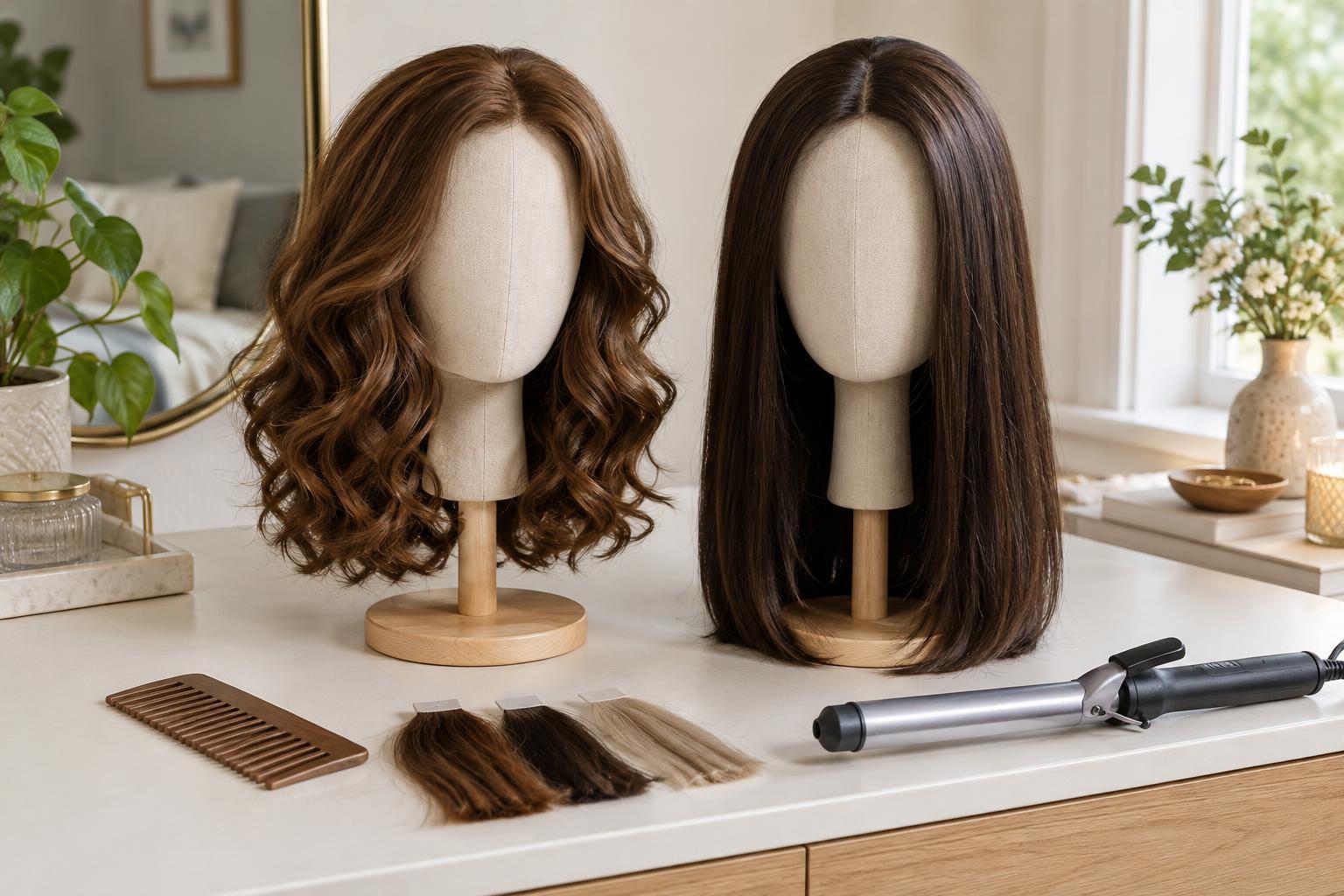
Wig Types and Materials“Heat-resistant” does not mean heatproof, and “synthetic” does not always mean the same thing. Learn how to read wig fibre labels, choose suitable styling methods and protect your wig from avoidable damage.
Read article · 4 min↗
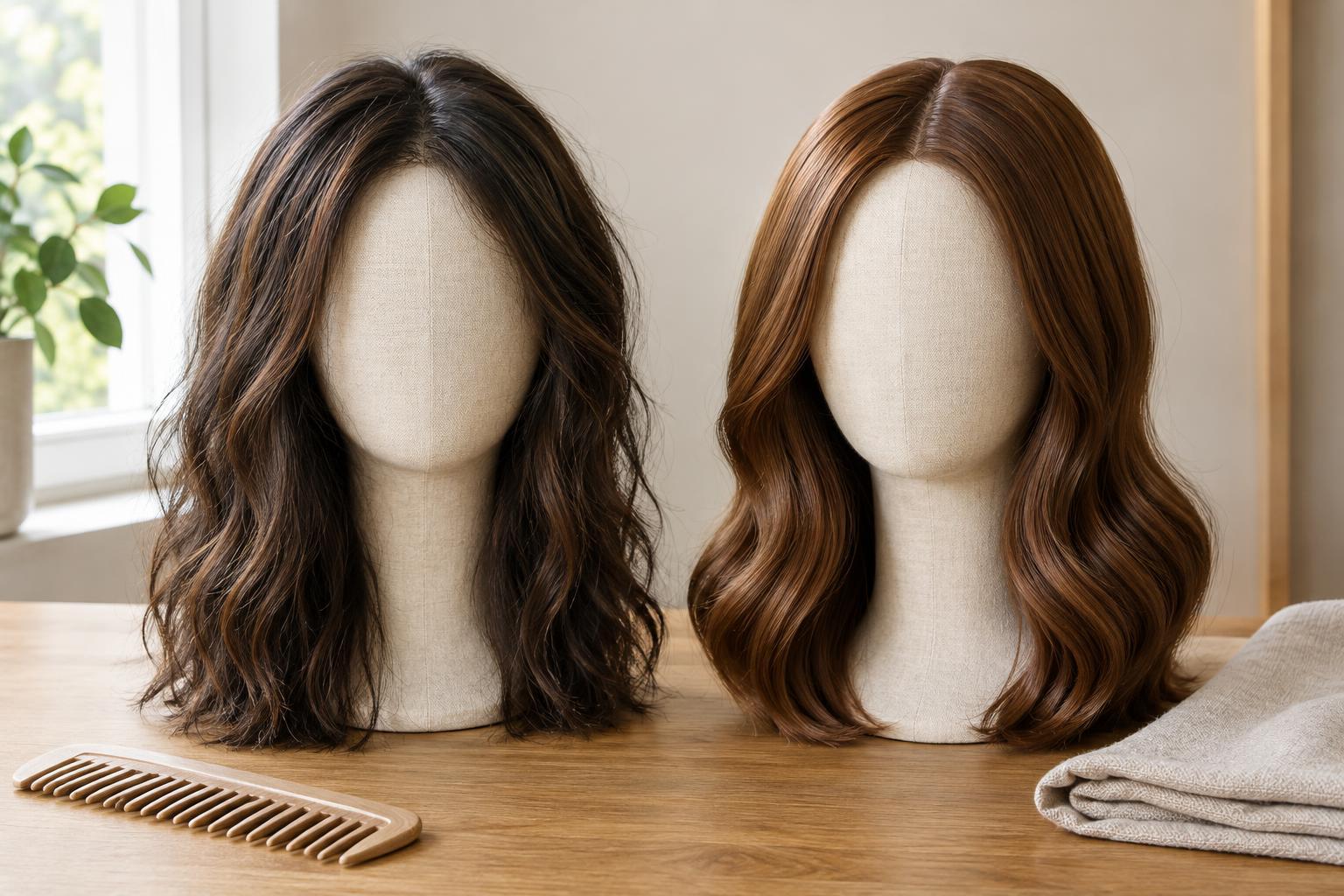
Wig Types and MaterialsHuman-hair and synthetic wigs can both look convincing, but they behave differently when washed, styled and worn. Learn how the fibres affect appearance, upkeep and everyday choice.
Read article · 4 min↗
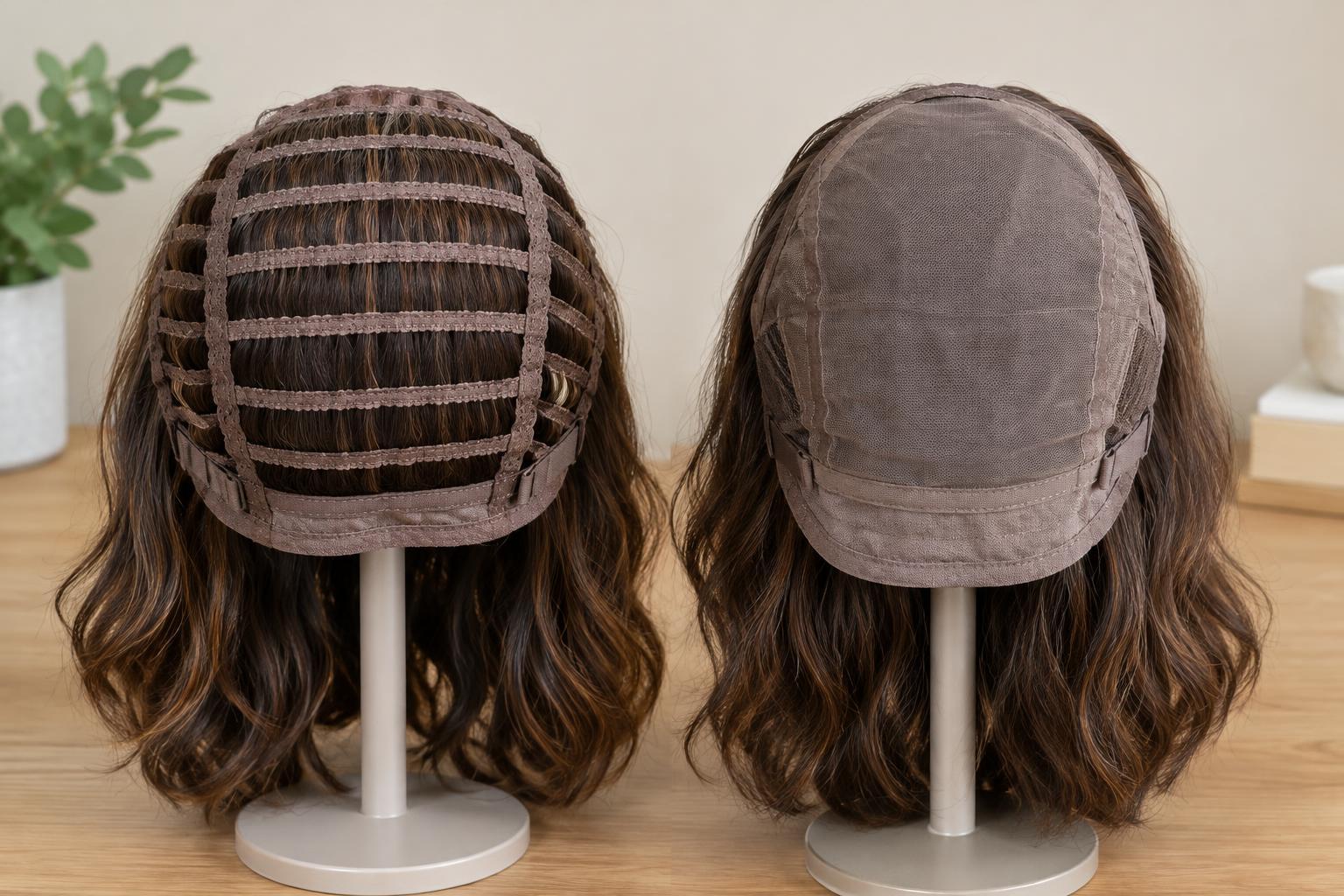
Wig Types and MaterialsAn open-wefted wig and a closed-cap wig can feel different even when they look similar. Learn how each construction affects airflow, coverage, fit and styling, and what to check before choosing one.
Read article · 4 min↗
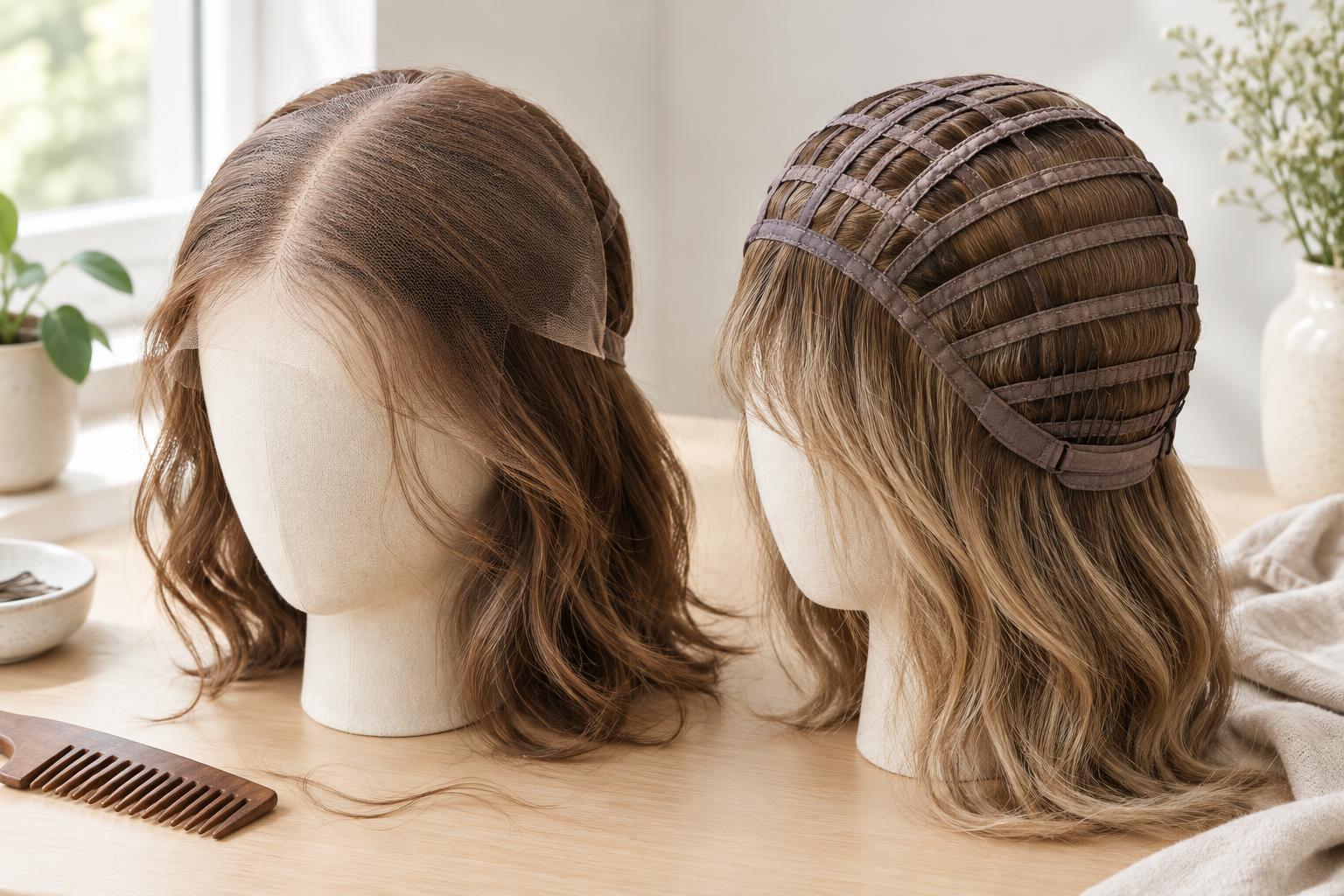
Wig Types and MaterialsHand-tied and machine-wefted wigs differ in how hair is attached to the cap. Learn what each construction can offer, where hybrids fit in, and how to compare wigs beyond the label.
Read article · 4 min↗
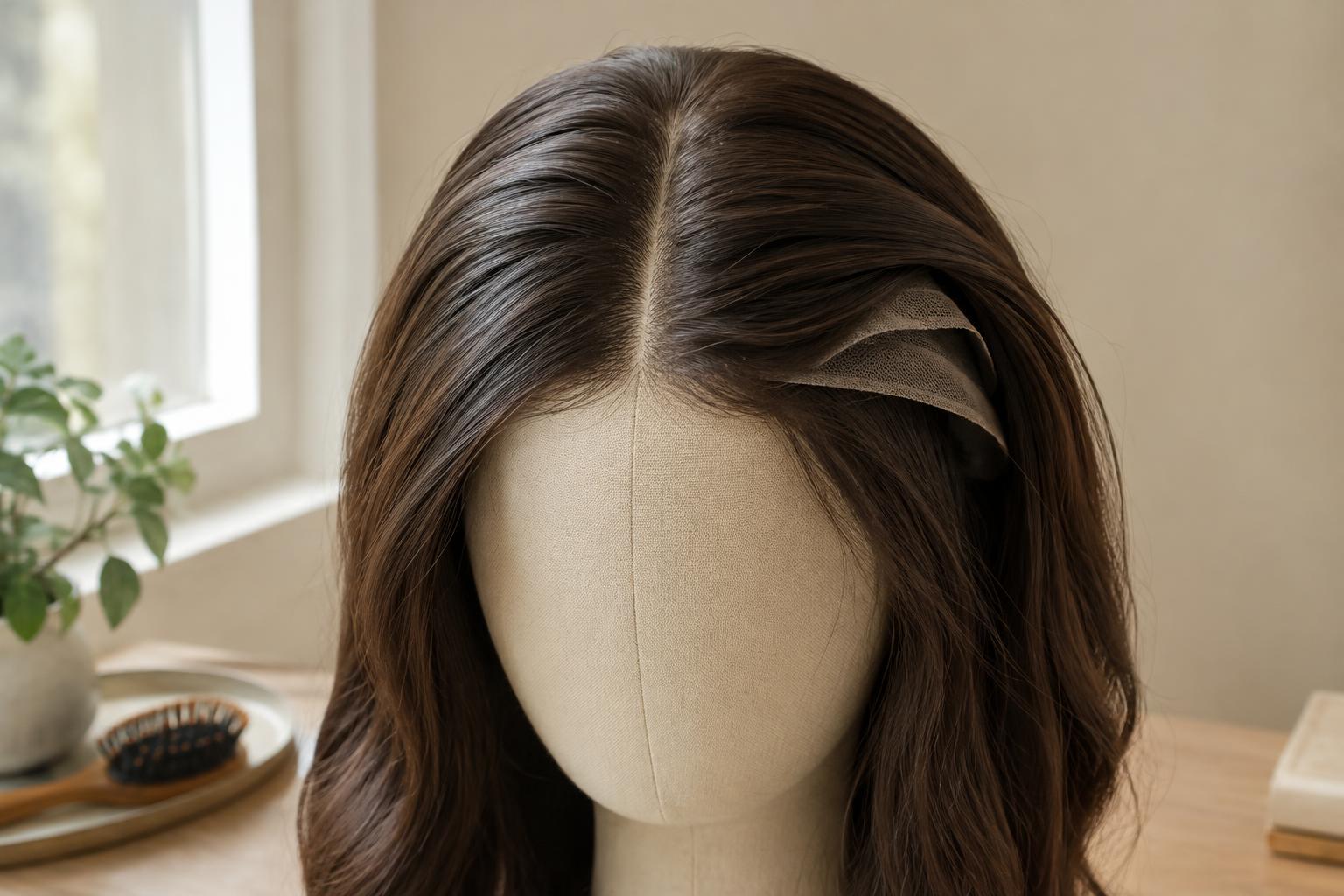
Wig Types and MaterialsA silk-top wig can make the parting look as though hair is growing from a scalp. Learn how its layered base hides knots, how it differs from lace, and what to check for comfort, styling and care.
Read article · 4 min↗
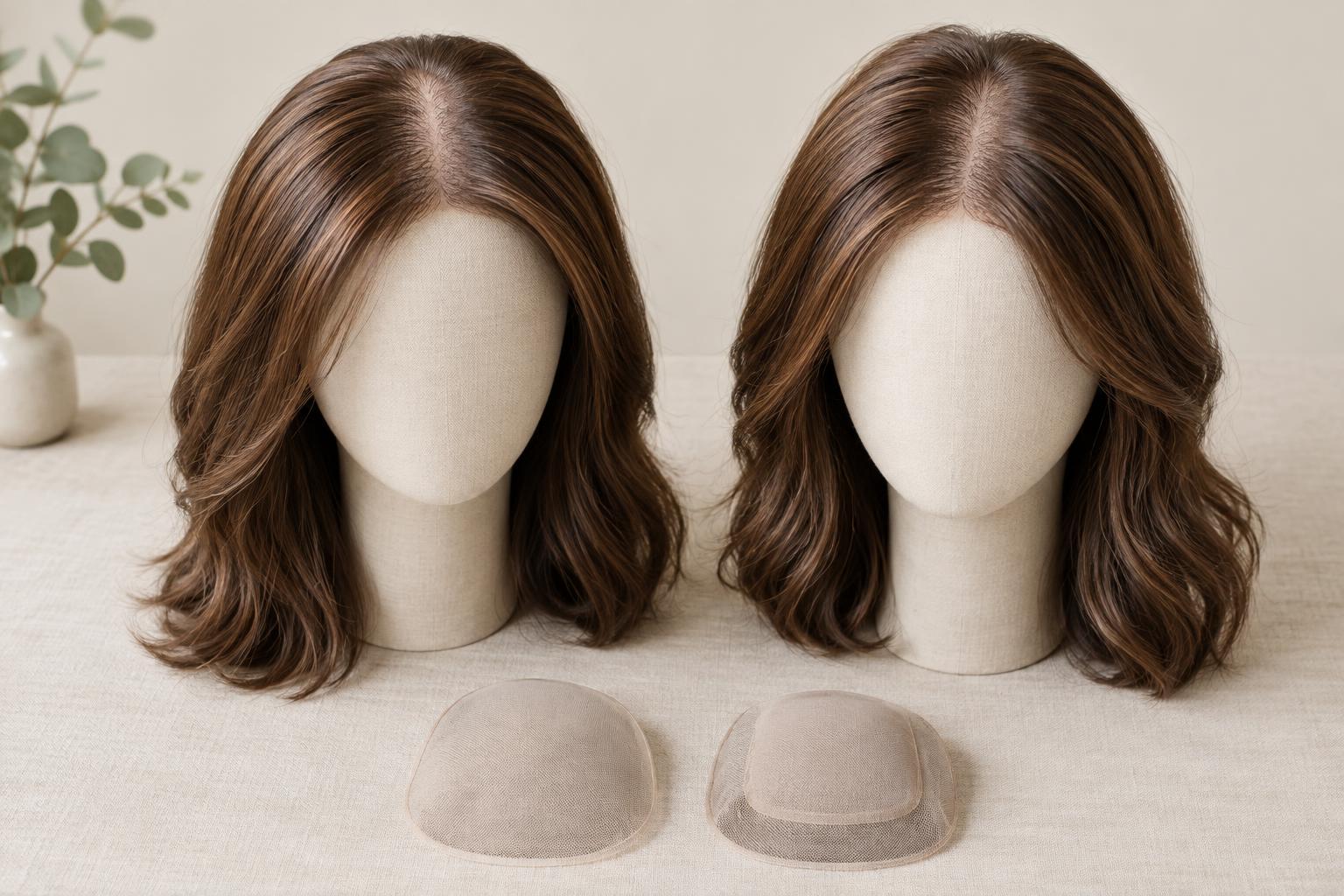
Wig Types and MaterialsA monofilament top can give a wig a more natural-looking part, but “single mono” and “double mono” describe different constructions. Learn what each term means, how the tops may feel and look, and what to check before choosing one.
Read article · 4 min↗
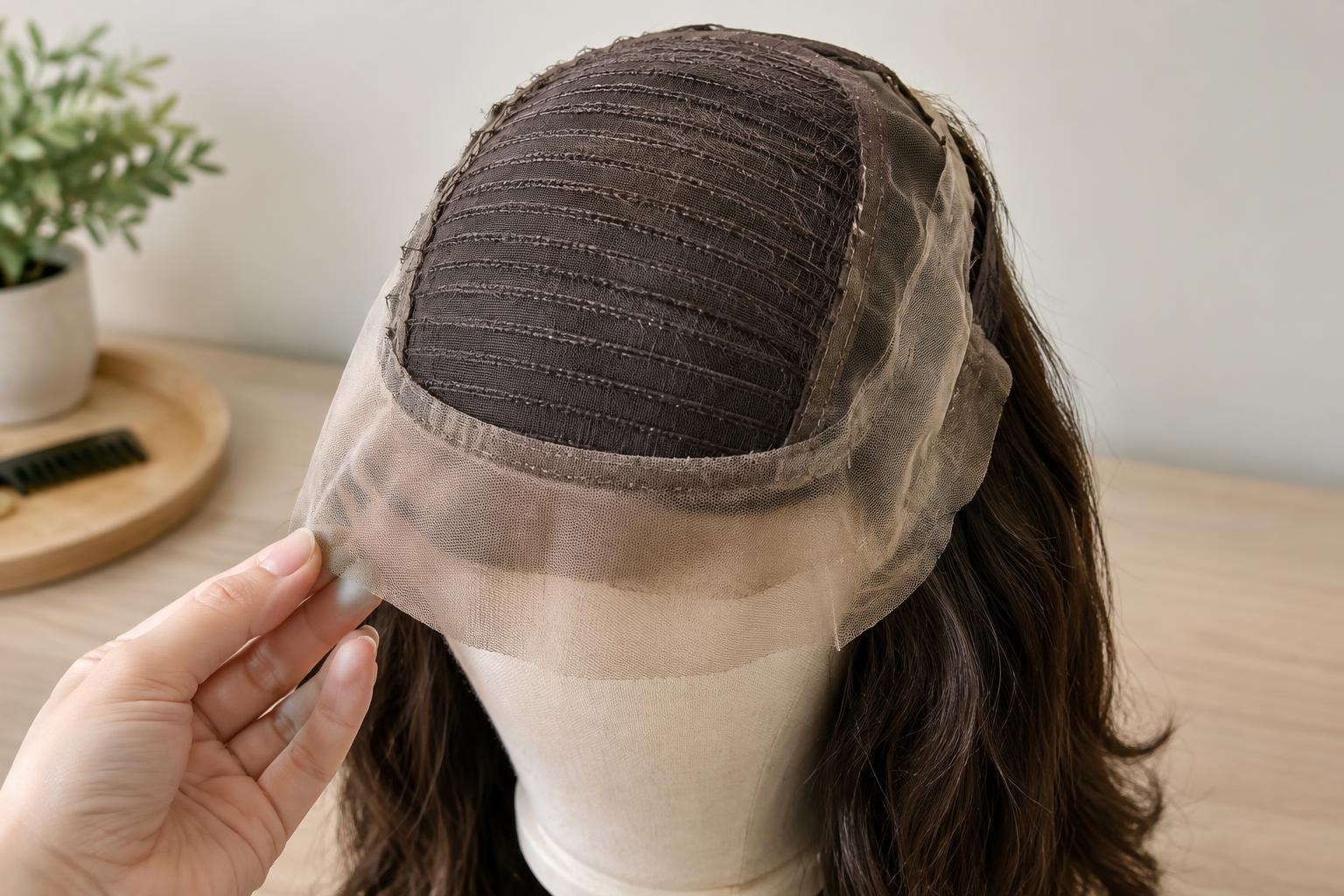
Wig Types and MaterialsA 360-lace wig has lace around the edge of the cap, while the centre is usually made with a different construction. Learn how that layout affects parting, updos, fit and shopping choices.
Read article · 4 min↗
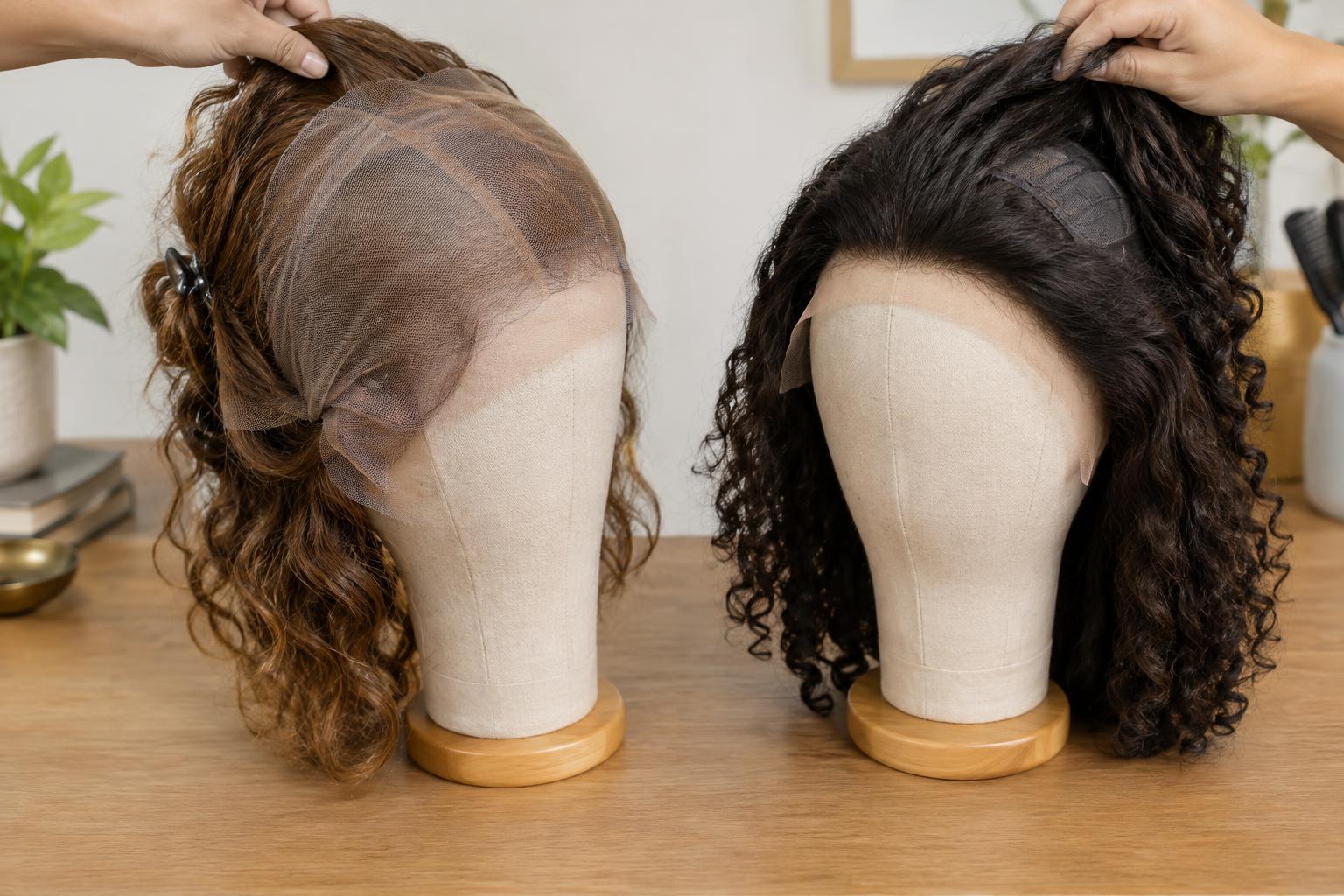
Wig Types and MaterialsFull-lace and lace-front wigs can both create a natural-looking hairline, but the lace sits in different places. Learn what each construction means for parting, updos, fit, care and shopping.
Read article · 4 min↗
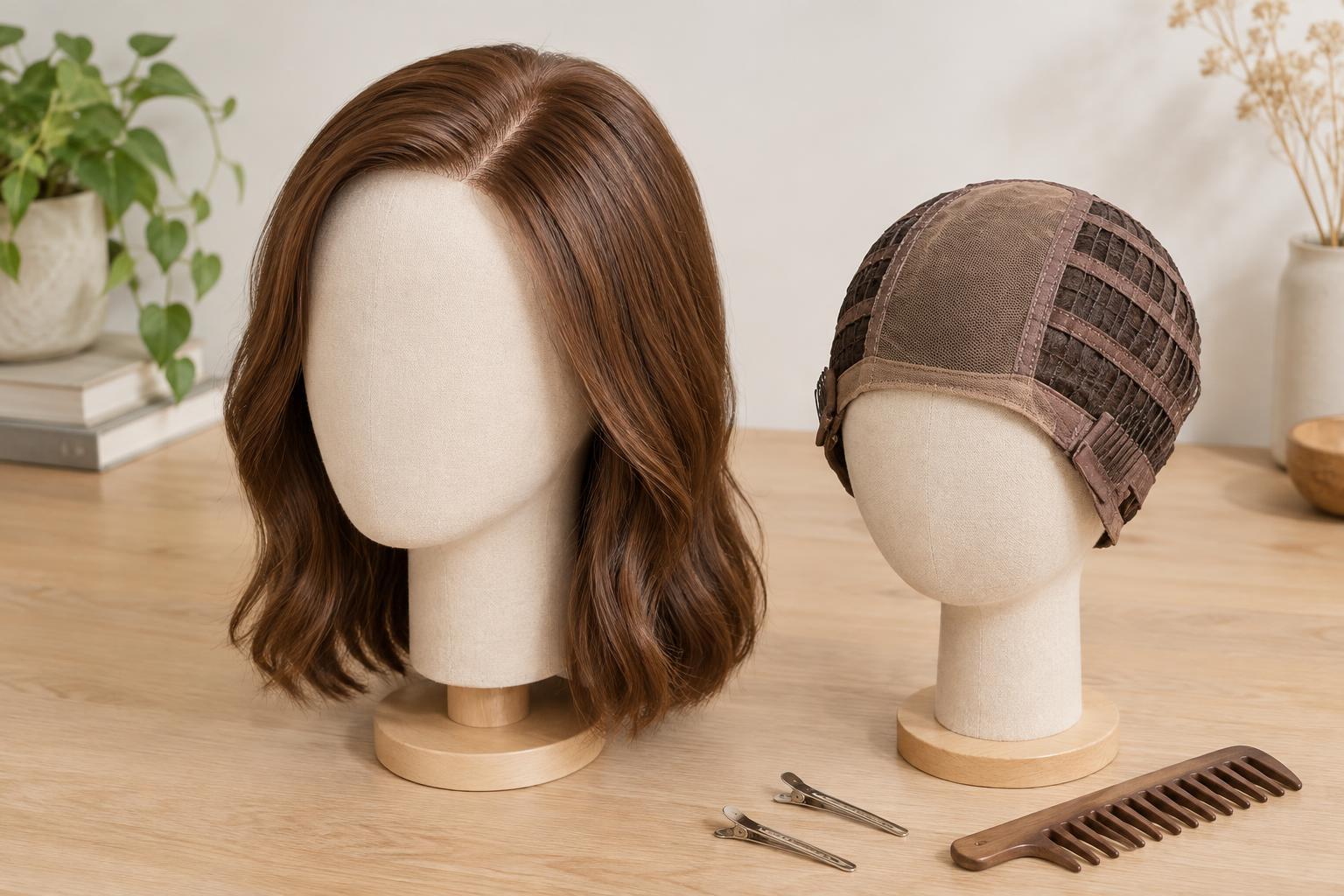
Wig Types and MaterialsA beginner-friendly tour of the parts of a wig and what they mean for appearance, comfort and styling. Learn how to recognise common cap features and decide which details matter to you.
Read article · 4 min↗