
Care and StorageA rain-soaked wig does not always need a full wash, but it does need room to dry. Learn how to handle the fibres, cap and styling without trapping moisture or adding tangles.
Read article · 3 min↗
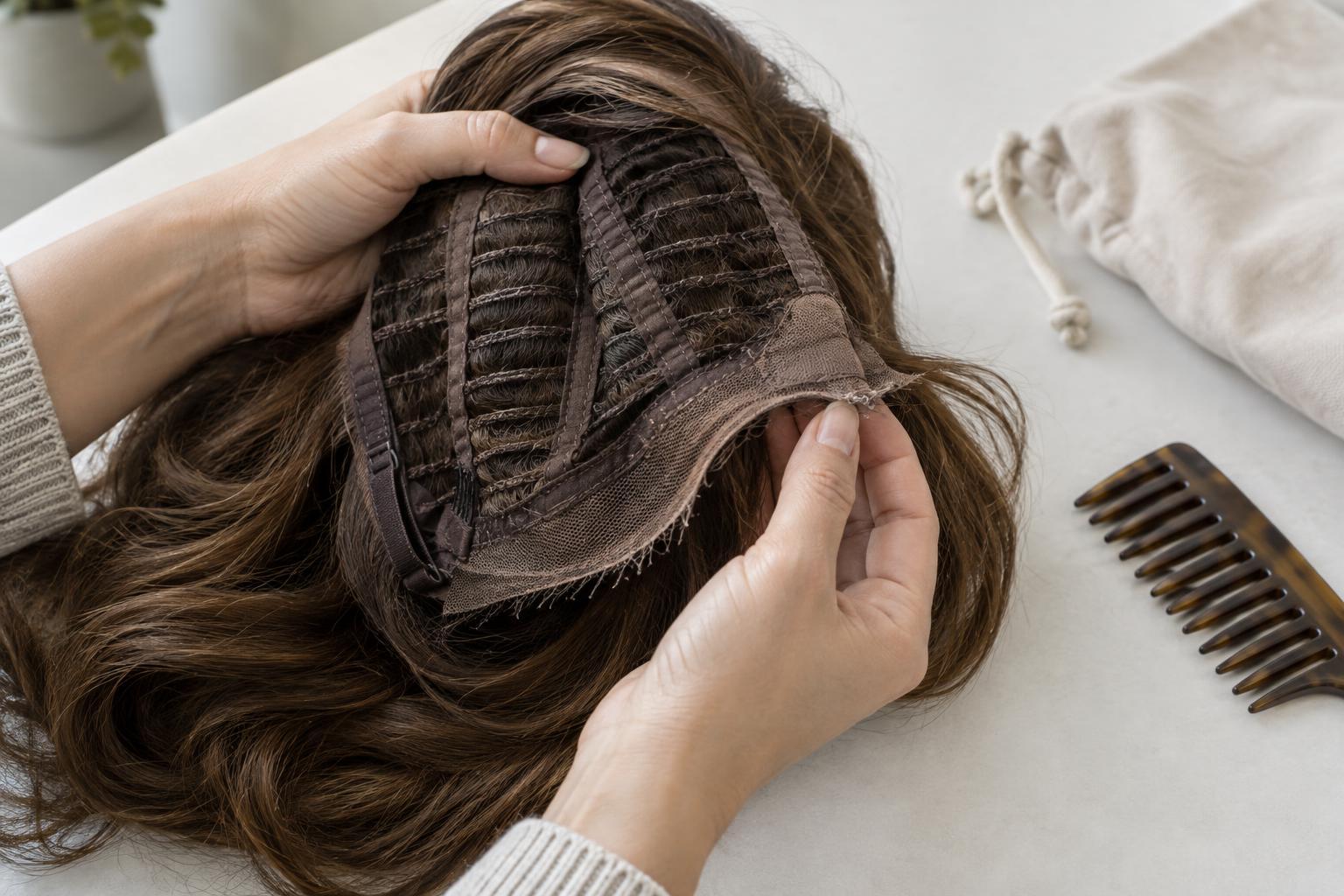
Care and StorageLoose wefts, frayed lace and thinning areas are easier to manage when you notice them early. Learn a gentle inspection routine, what common signs of wear mean and when to pause styling or seek a repair.
Read article · 4 min↗

Care and StorageDyed human-hair wigs can gradually lose colour through washing, heat, sunlight and everyday handling. A gentle routine can help the shade stay consistent for longer, whether you wear your wig daily or only occasionally.
Read article · 4 min↗

Care and StoragePool water and seawater can leave a wig feeling dry, tangled or coated with residue. Learn how to rinse, wash and dry human-hair and synthetic wigs gently after a swim, and when to be cautious with lace, adhesives and delicate constructions.
Read article · 4 min↗
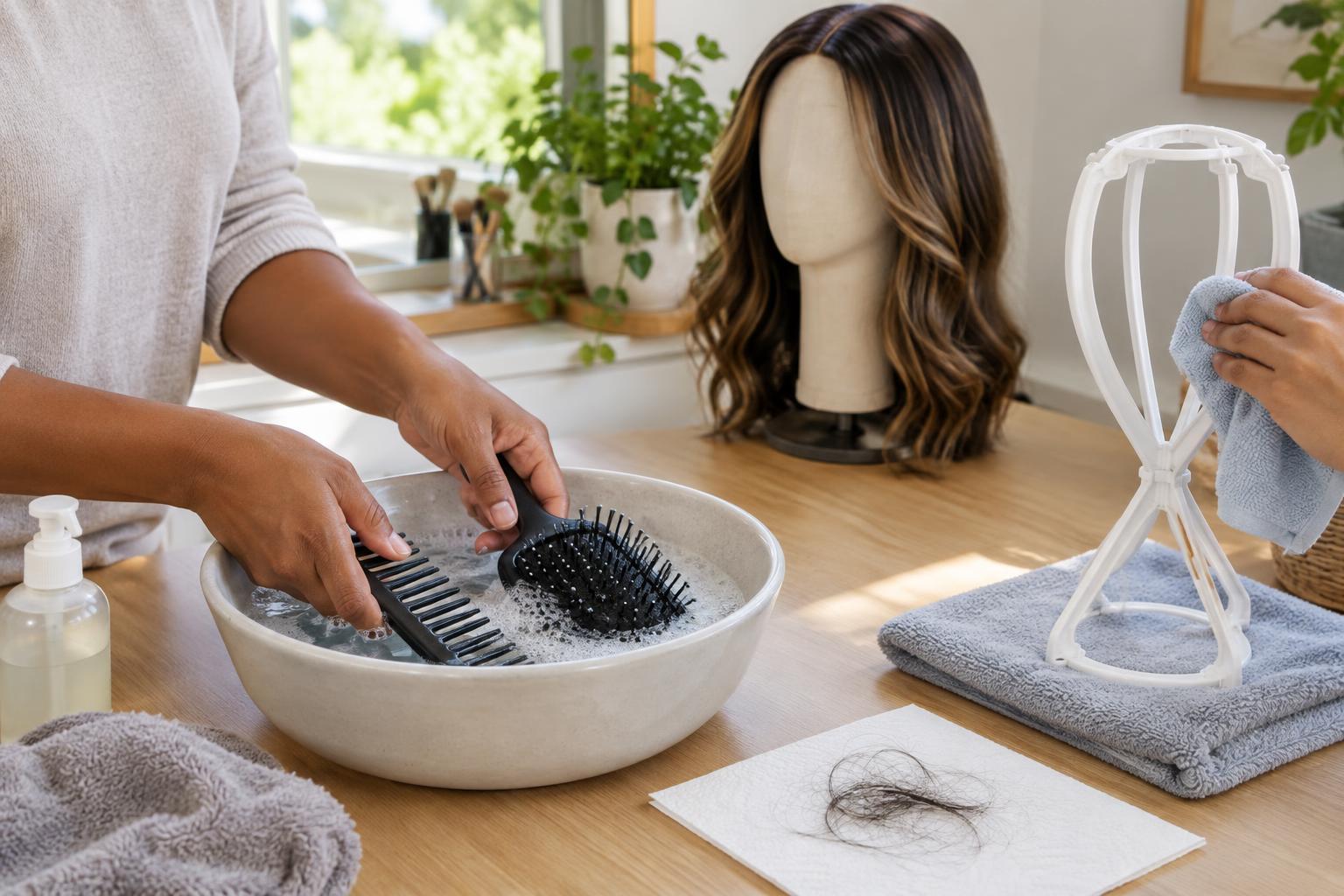
Care and StorageClean tools help keep dust, shed fibres and styling-product residue from going straight back onto a wig. Learn a simple routine for washing brushes and combs, wiping down stands, and drying everything before the next use.
Read article · 4 min↗
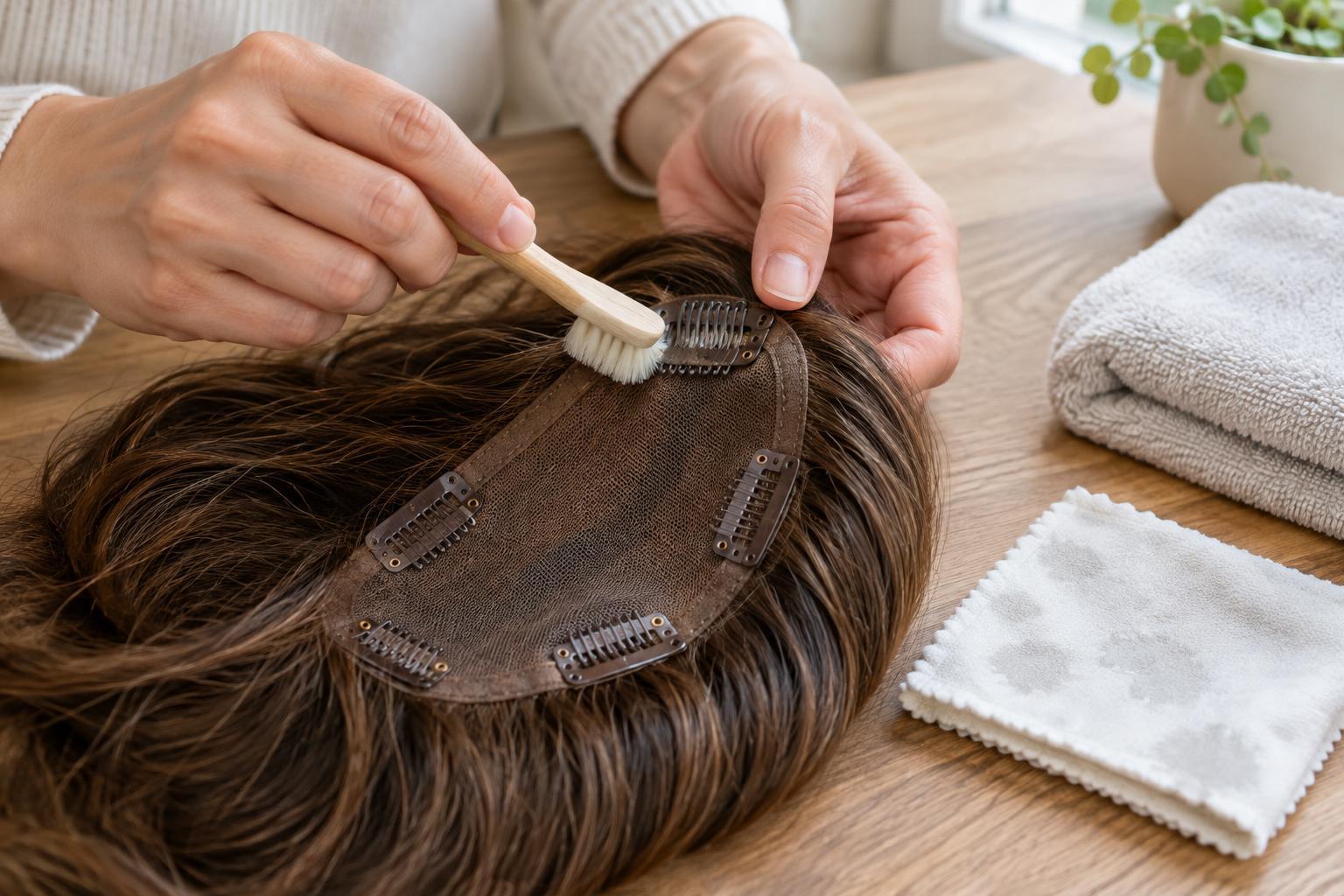
Care and StorageClips and combs collect oil, styling product and loose hair even when the rest of a hairpiece looks clean. Learn how to remove buildup gently, protect the base and dry the attachments before storage.
Read article · 3 min↗
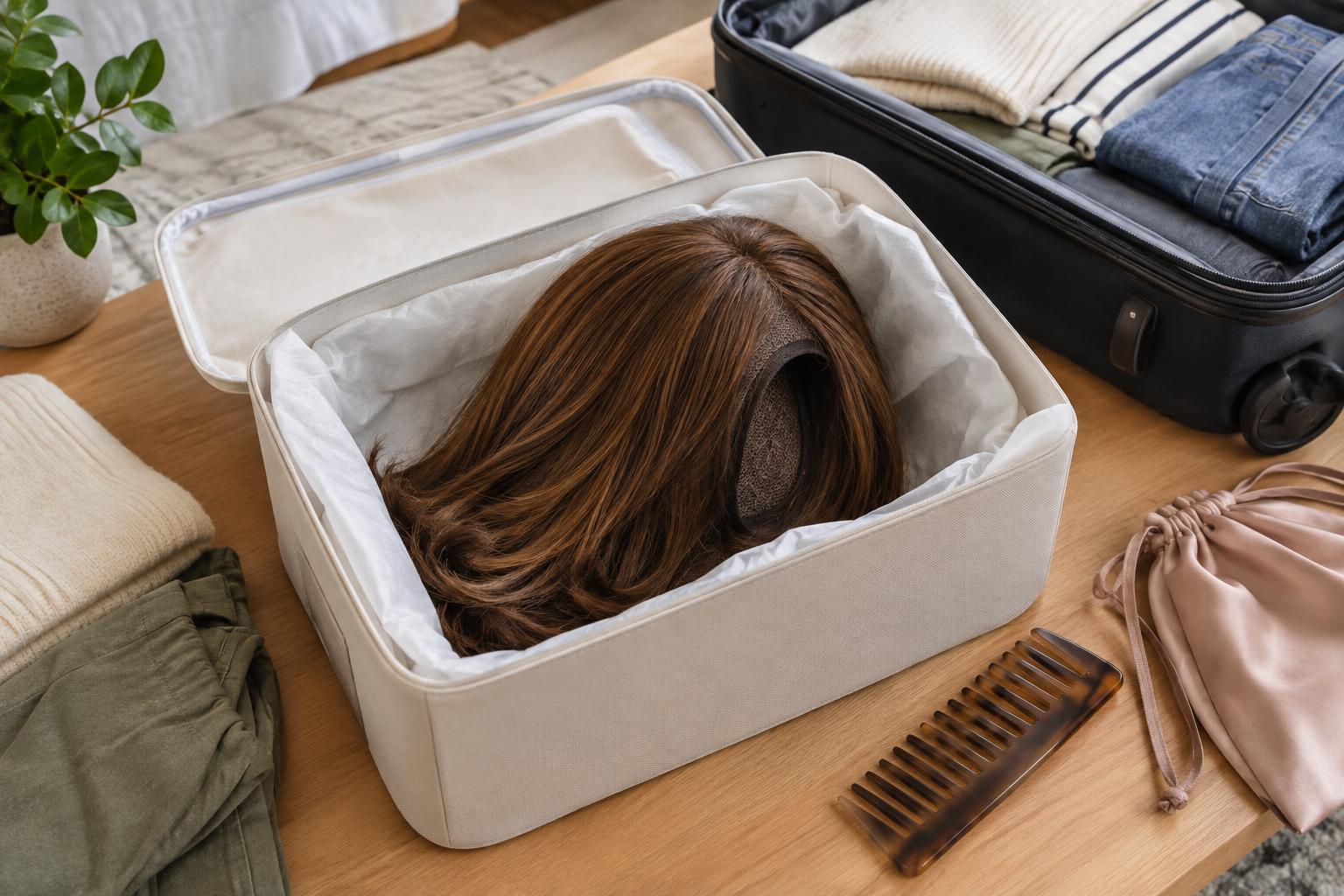
Care and StorageA little preparation can help a wig arrive ready to wear. Learn how to protect the cap, keep fibres from rubbing together, choose a suitable container and refresh your wig after unpacking.
Read article · 4 min↗

Care and StoragePutting a wig away for months takes more than finding an empty drawer. Learn how to clean and dry it, protect the cap and fibres, choose a suitable container and check its condition before wearing it again.
Read article · 4 min↗

Care and StorageA stand keeps a wig accessible and lets it finish drying, while a box protects it from dust and light. Learn when each option works best, how to prepare a wig for storage, and how to avoid tangles or pressure on a delicate cap.
Read article · 4 min↗

Care and StorageA wig that smells less fresh does not always need an immediate wash. Learn how to identify where an odour is coming from, air and refresh a wig safely, clean the items that touch it, and recognise when washing is the better choice.
Read article · 3 min↗
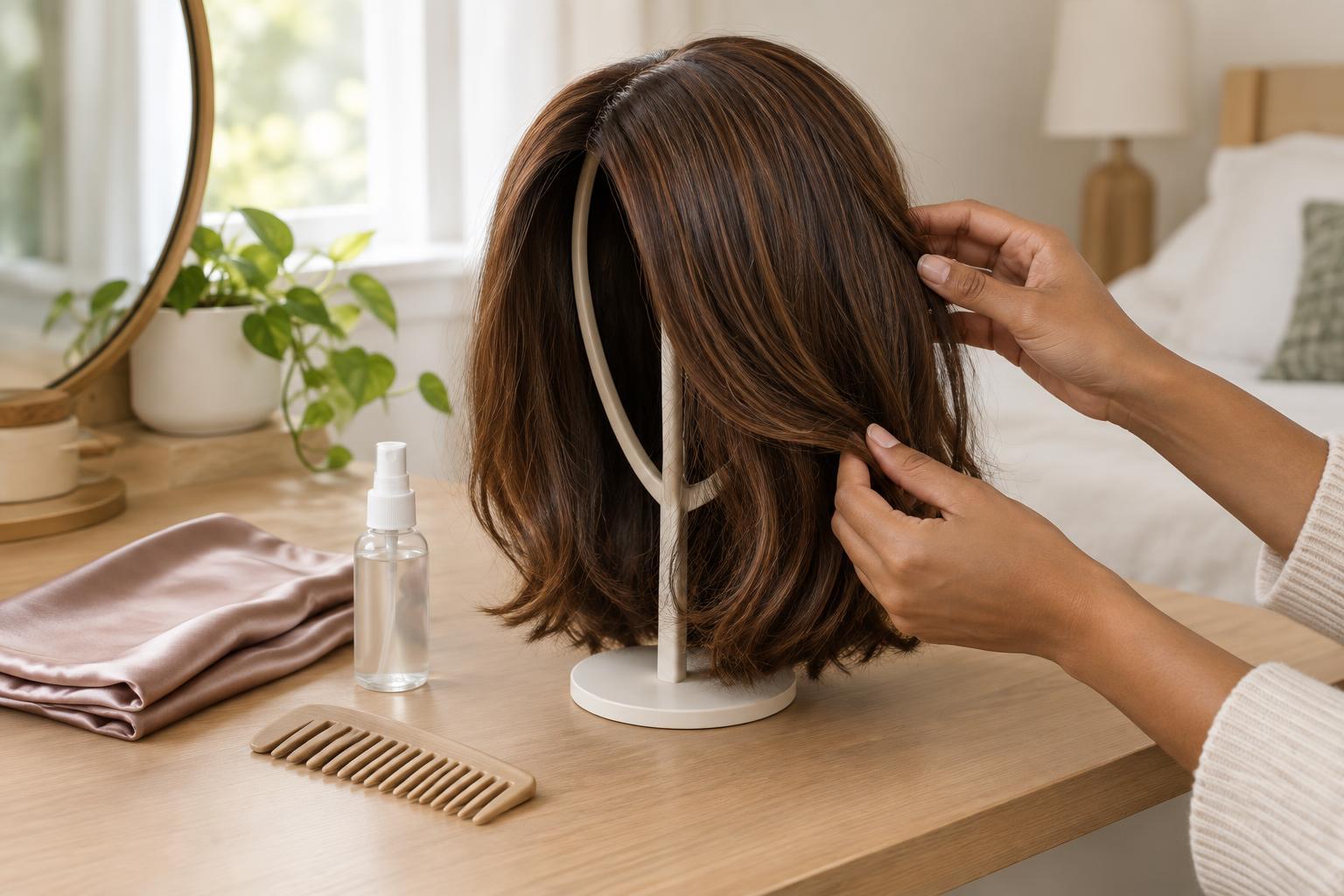
Care and StorageSynthetic wig fibres can cling, lift and tangle when friction and dry air encourage static. Learn how to smooth flyaways between washes, choose suitable products and store your wig to help prevent the problem returning.
Read article · 3 min↗
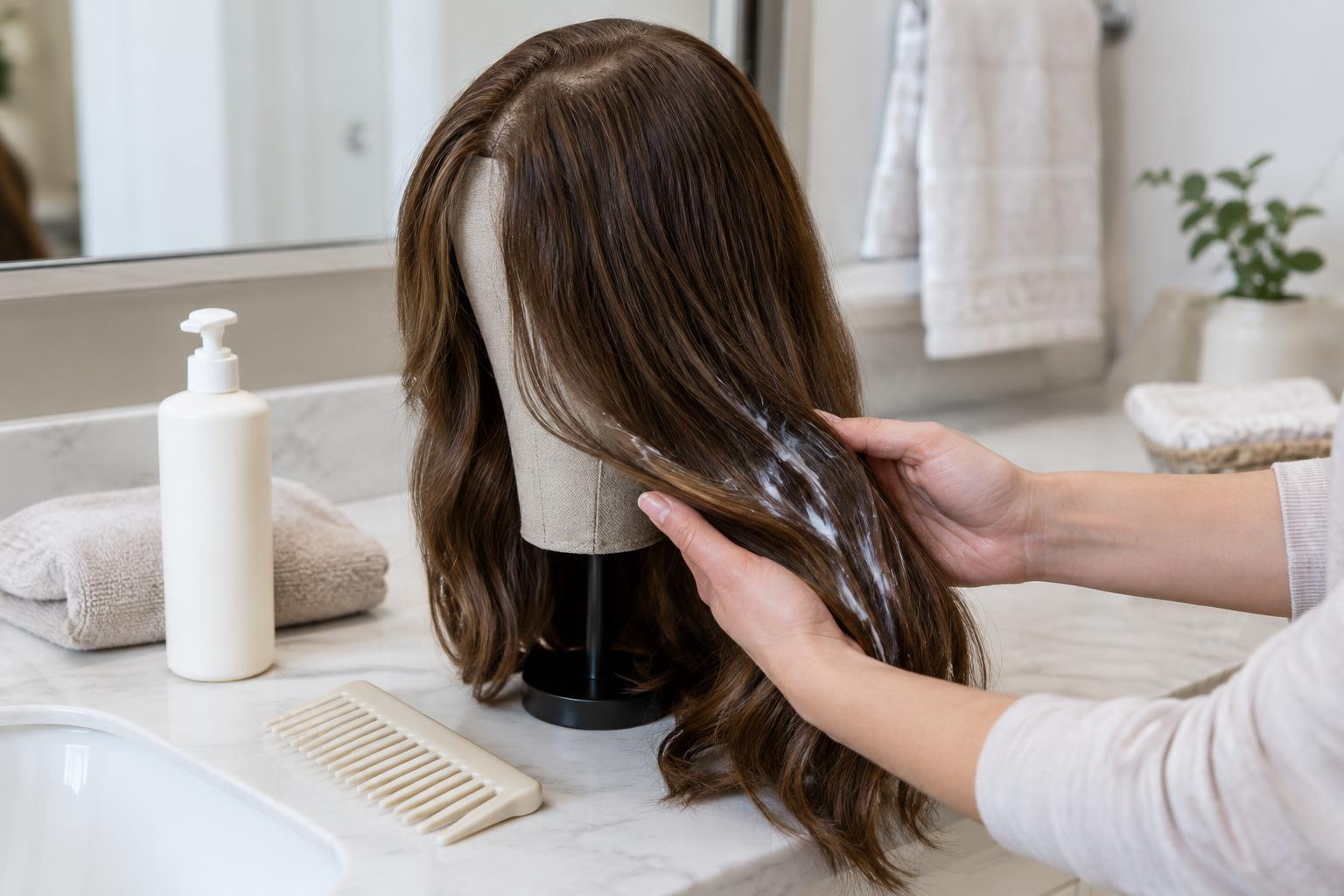
Care and StorageA human-hair wig needs moisture through its lengths, but conditioner near the cap can leave roots looking flat or coated. Learn where to apply it, how to rinse thoroughly and how to dry the wig without weighing it down.
Read article · 3 min↗

Care and StorageA bottle marked “wig shampoo” is not automatically right for every wig. Learn which label details matter for human hair, synthetic fibres and blended pieces, and how to choose products without relying on marketing terms alone.
Read article · 4 min↗
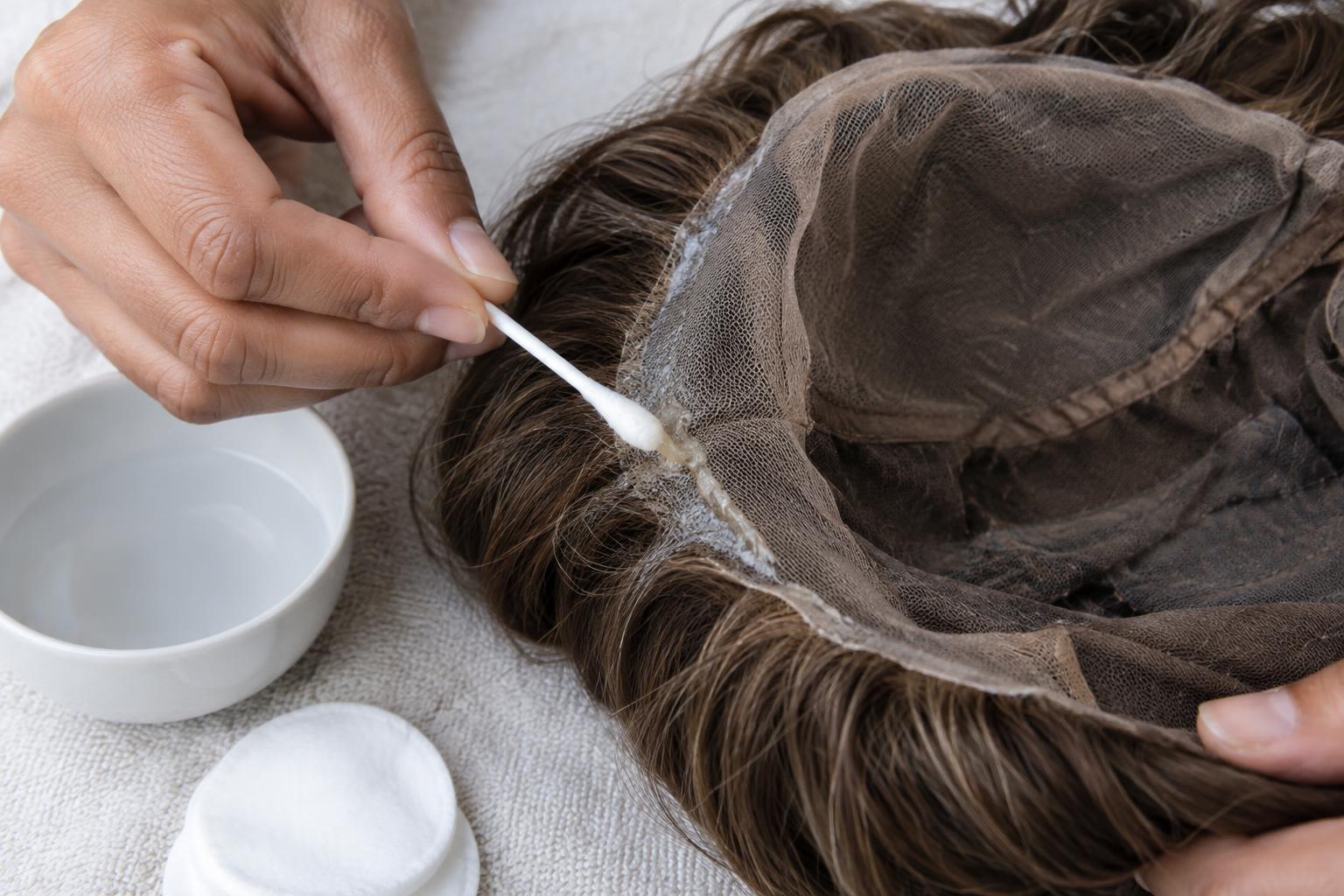
Care and StorageAdhesive residue can make a wig base feel tacky and collect lint. Learn a gentle, material-aware way to remove it from lace, monofilament or polyurethane without pulling at delicate areas.
Read article · 4 min↗
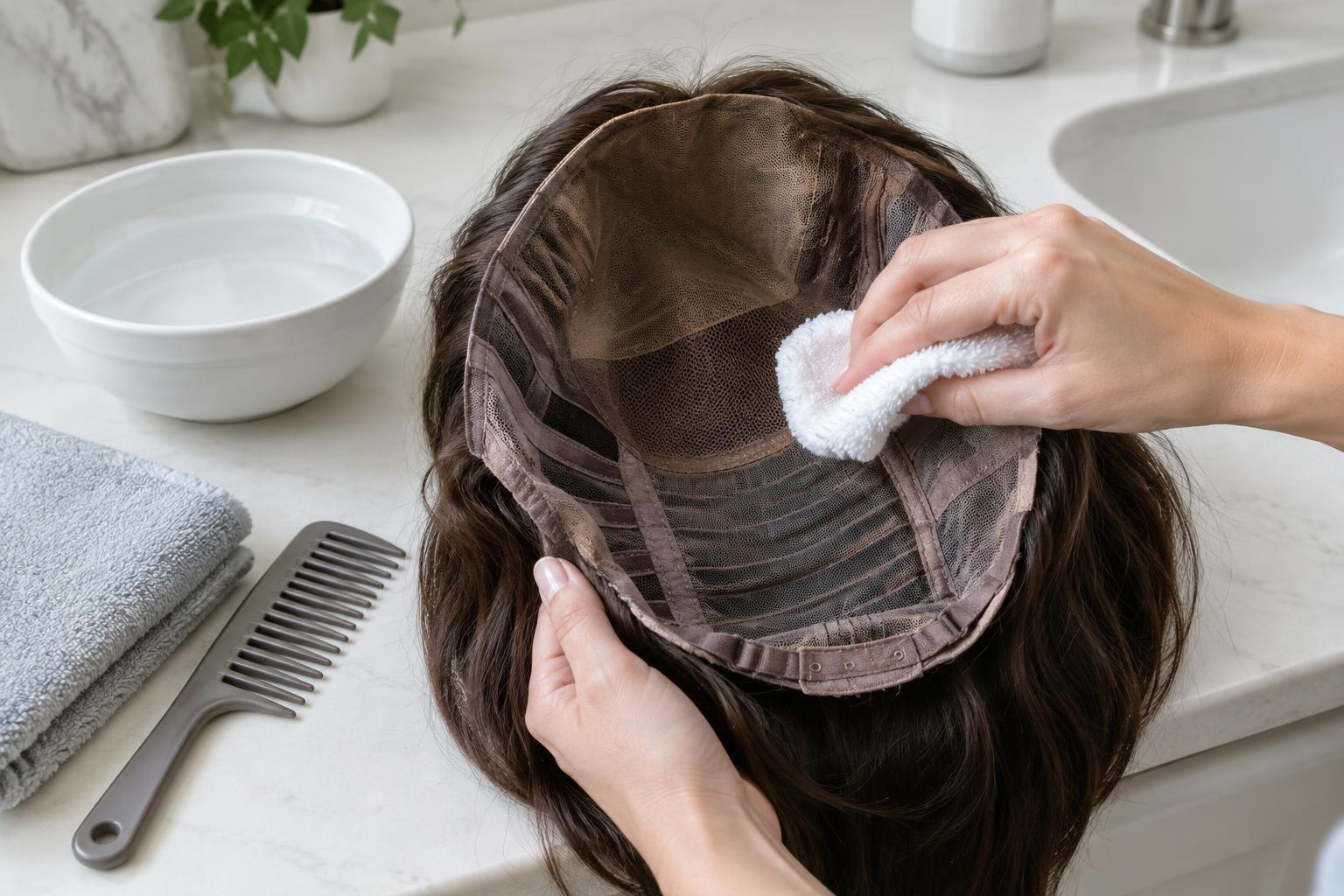
Care and StorageThe inside of a wig cap collects sweat, scalp oils and product residue. Learn how to freshen the lining between washes, clean it more thoroughly when needed and dry the wig without stretching the cap or tangling the hair.
Read article · 4 min↗
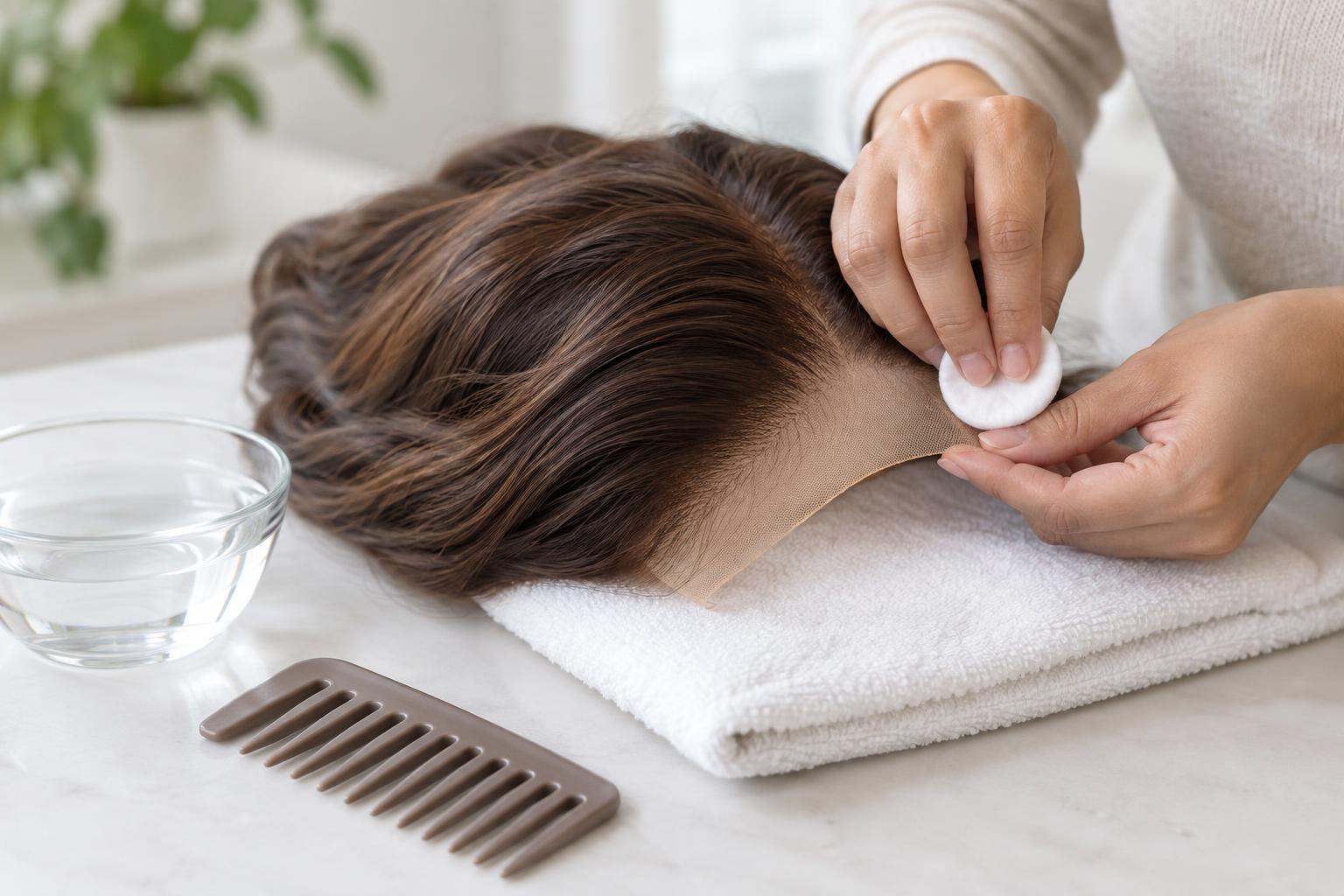
Care and StorageLace fronts need a lighter touch than the rest of a wig. Learn how to remove residue, wash the hairline, dry the mesh and store the piece without stretching or snagging it.
Read article · 4 min↗

Care and StorageAir-drying helps protect a wig from unnecessary heat, but the way you support it matters. Learn how to remove excess water, choose a drying surface, preserve the cap’s fit and keep the style from drying flat.
Read article · 4 min↗
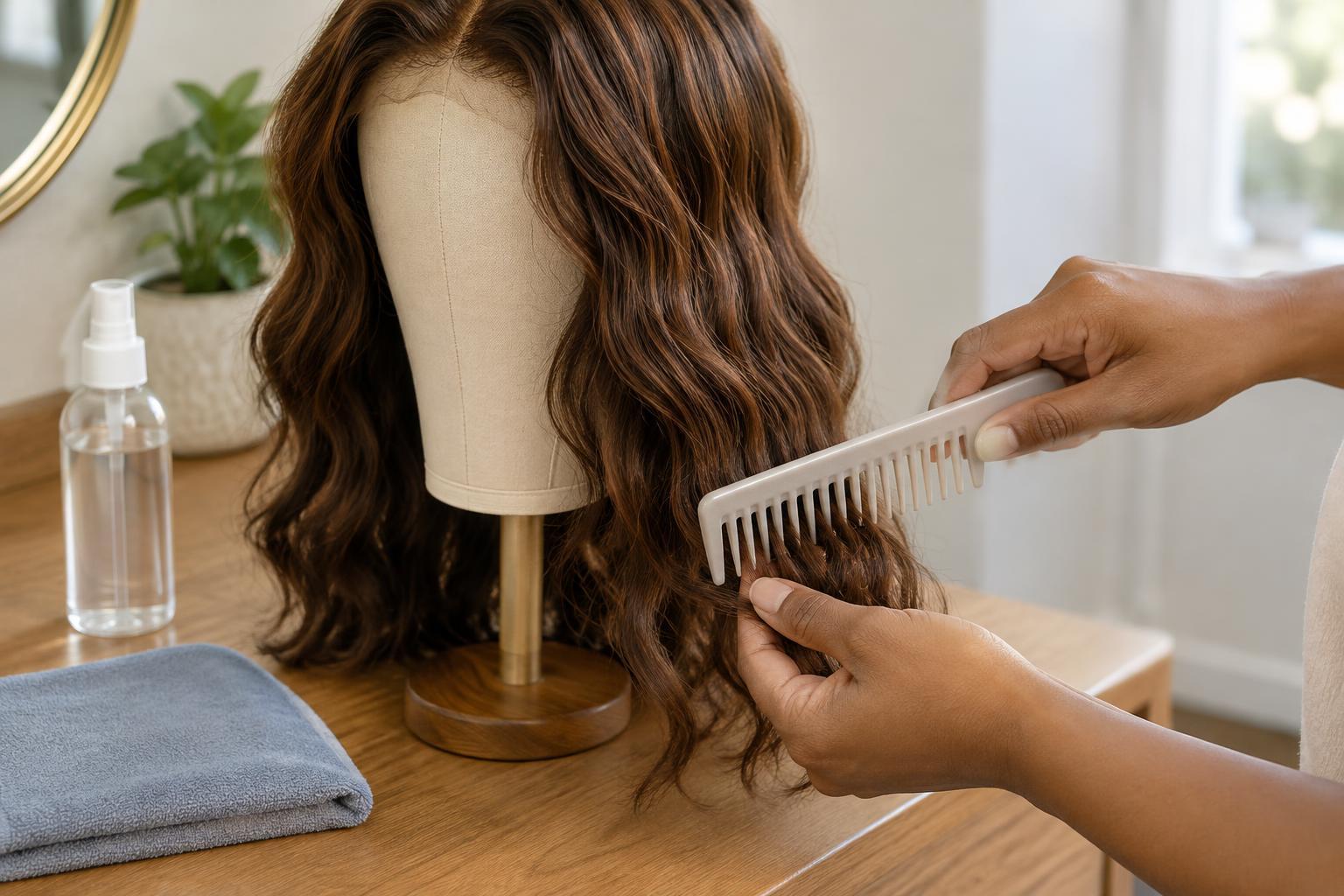
Care and StorageA gentle, step-by-step approach to wig tangles, with tips for synthetic and human-hair fibres, curly styles, delicate caps and preventing knots during storage.
Read article · 4 min↗
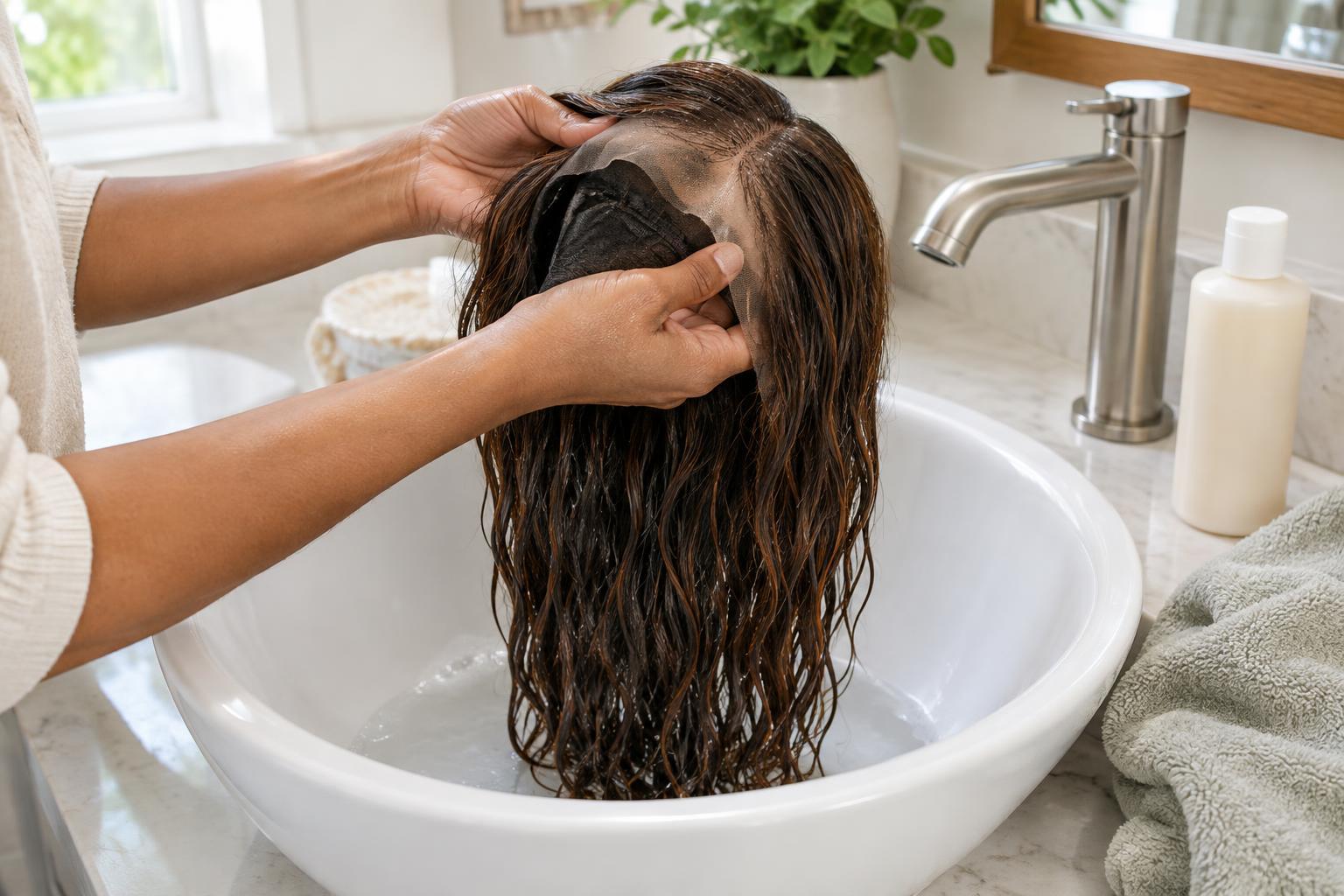
Care and StorageA gentle wash can refresh a human-hair wig without putting unnecessary strain on its lace, knots or cap. Learn how to prepare, cleanse, condition and dry your wig with its construction in mind.
Read article · 4 min↗
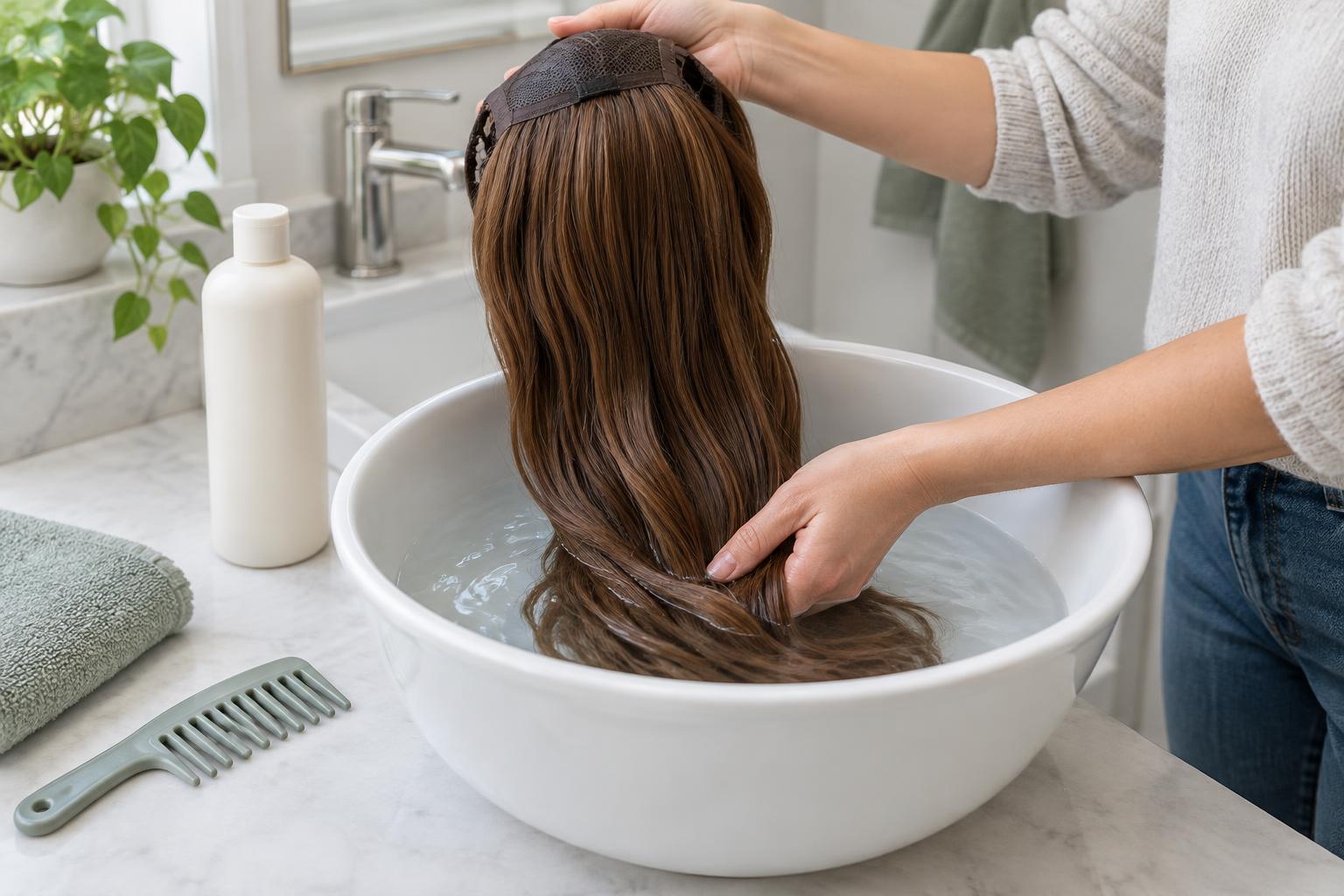
Care and StorageA gentle wash can freshen a synthetic wig without turning its lengths into knots. Learn how to prepare the wig, wash and rinse it with minimal friction, dry it safely and store it ready for the next wear.
Read article · 4 min↗

Care and StorageA wig does not need washing on the same schedule as hair growing from your scalp. Learn how wear time, sweat, styling products and storage affect cleaning, which signs to watch for, and how to avoid washing more often than necessary.
Read article · 4 min↗