Why the lace front needs special care
A lace front is a fine mesh along the front edge of a wig or hairpiece. Individual hairs are secured through it to make the hairline look less obvious. That mesh can stretch or tear, and the knots holding the hairs may loosen if they are scrubbed. Cleaning it is less about making it look spotless in one pass and more about loosening buildup without pulling on the lace.
How often you clean it depends on how you wear the piece. A hairline worn against skin may collect makeup, skin oils or adhesive, while a piece worn without adhesive may need only an occasional gentle wash. Check the maker’s care guidance first, especially if the lace has been tinted, the knots have been treated or the wig has a specialist coating.
Prepare the piece before adding water
If the lace front is attached to your skin, remove it before cleaning the mesh. Follow the instructions for the adhesive or tape you used, giving the recommended remover time to loosen the bond. Do not pull the lace away to speed things up: resistance means the bond needs more time or product. Keep remover out of your eyes, and check that it is suitable for the wig materials.
Once the piece is off, support it on a clean towel with the lace lying flat. Gently detangle the hair with your fingers or a suitable comb, starting at the ends and working upward. Hold the hair above a knot or tangle so that brushing does not transfer force to the front edge. Gather a bowl of lukewarm water, a mild product appropriate for the hair fibre, soft cloths or cotton pads, and a dry towel. Hot water and vigorous brushing are unnecessary.
Lift adhesive and makeup residue gently
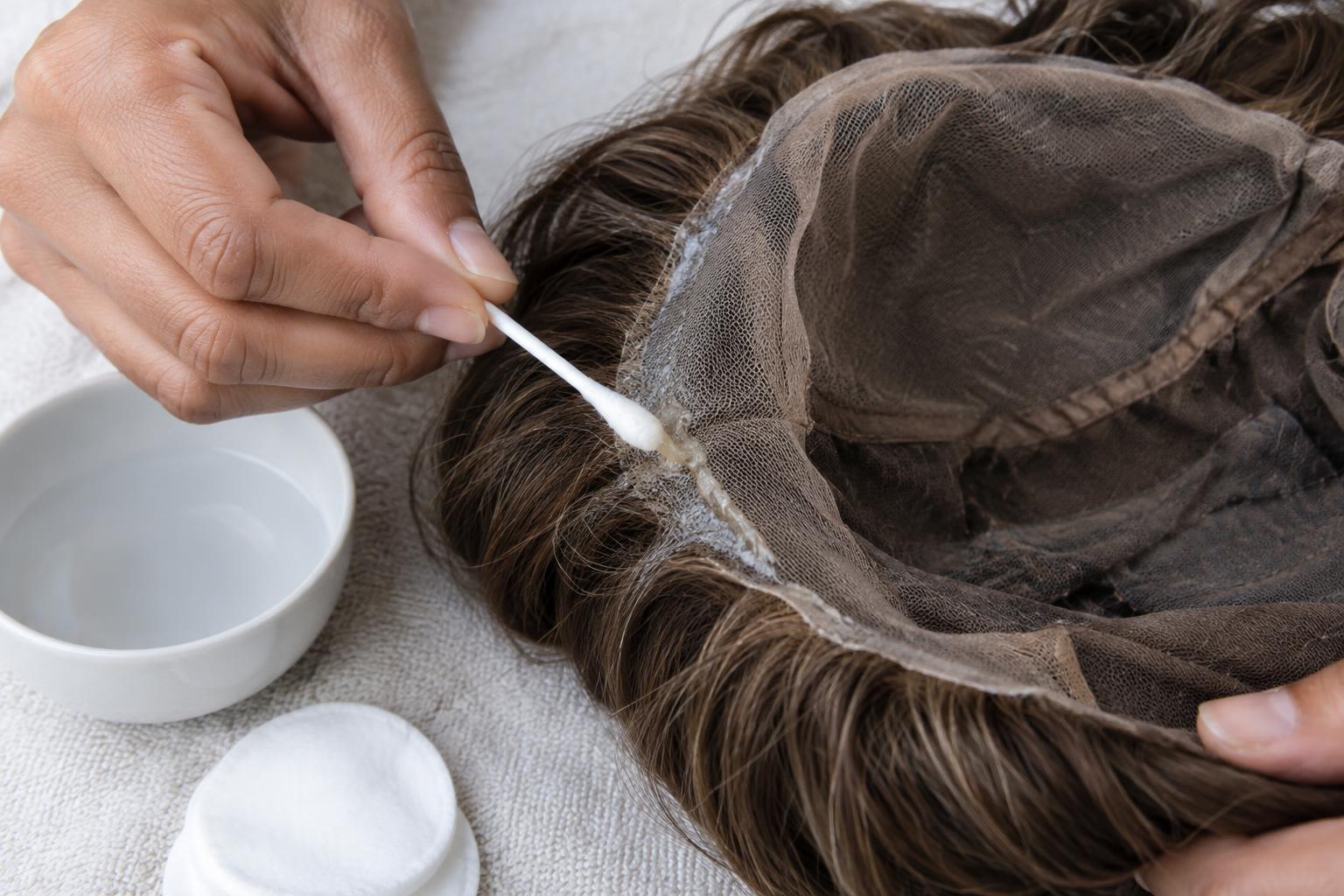
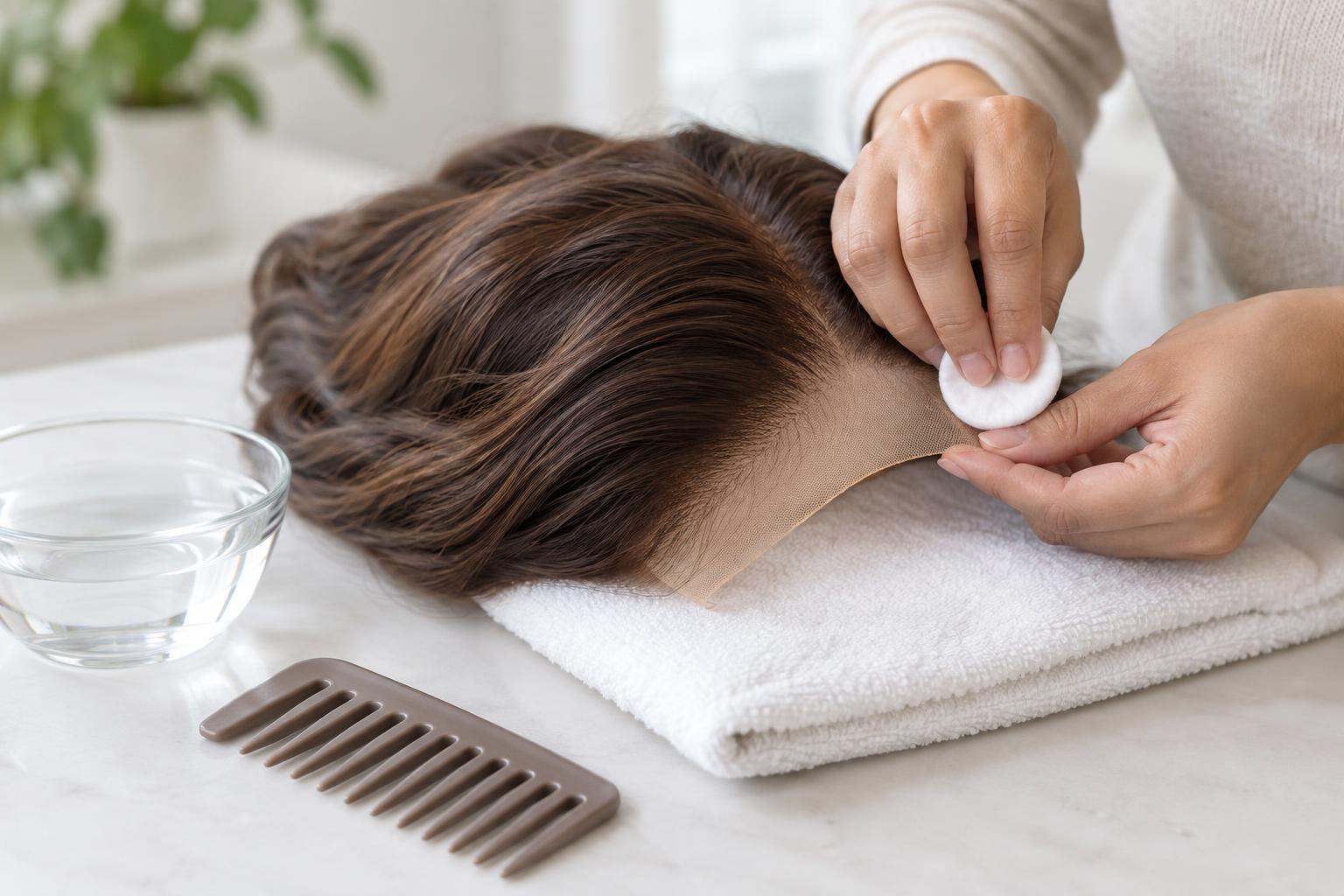
Work on residue before washing the whole piece. For tape, lift an already-loose edge slowly rather than scraping at the mesh. For adhesive, apply a small amount of a compatible remover as directed on its label. Let it soften the residue, then dab or roll the loosened material away with a soft cloth or cotton pad. Support the lace from underneath and work in small areas. If residue remains, repeat the softening step instead of increasing pressure.
Makeup at the hairline may come away with a damp cloth and a little mild cleanser. Avoid rubbing back and forth across the knots or picking at buildup with a nail, brush or sharp tool. Oils and solvents can affect some wig materials or leave residue of their own, so do not improvise with a strong household cleaner. If a product is new to you, test it on a less visible area and follow any instructions for rinsing it out.
Wash and rinse without stretching the mesh
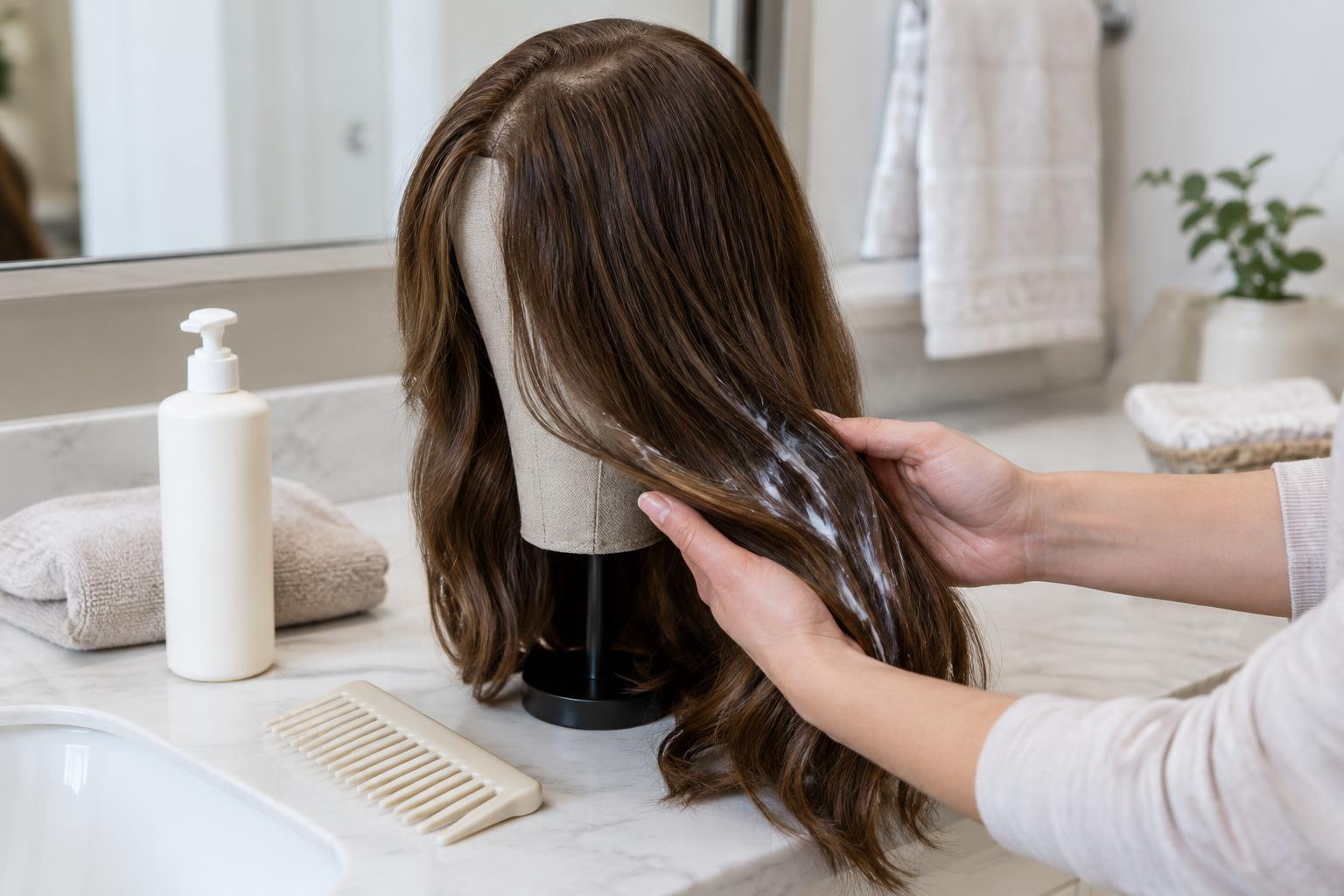
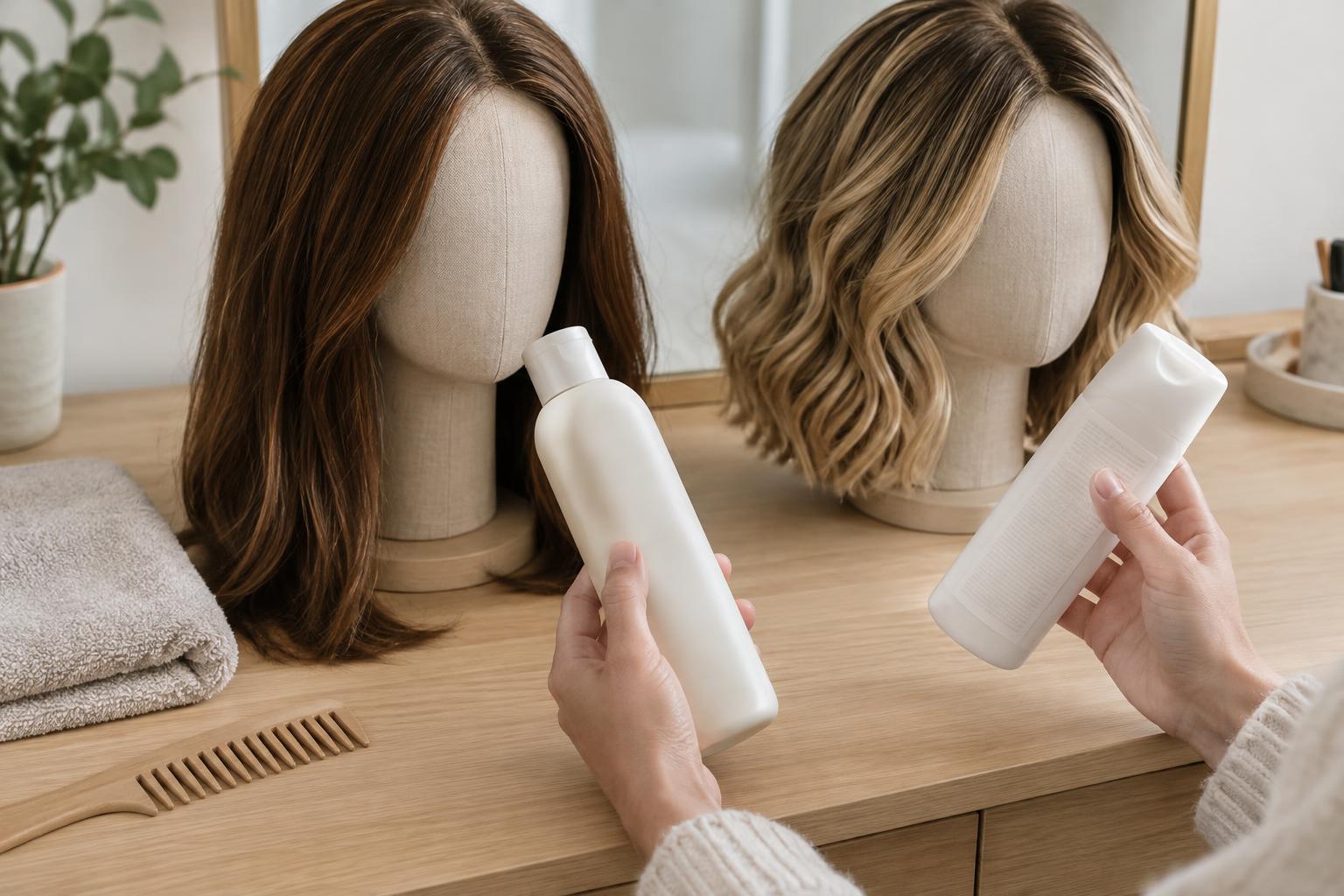
After removing residue, use lukewarm water and a small amount of shampoo or cleanser suited to the wig. Human hair and synthetic fibre may require different products, so choose based on the piece you own. Gently move the hair through the water rather than piling it on top of itself. At the lace, use your fingertips to lightly press diluted cleanser over the mesh; avoid scrubbing circles or tugging at individual hairs.
Rinse with a gentle flow of lukewarm water until cleanser and remover are gone, supporting the front edge as you work. Try not to direct a strong stream against the knots. If the hair needs conditioner, follow the product guidance and keep heavy conditioners or oils away from the lace and knots unless the maker recommends them there. They can leave buildup at the hairline and make the next cleaning harder.
Dry, check and store the lace front
Press the washed piece between towels to absorb water; do not wring it. Lay the lace flat in its intended shape and allow it to air-dry with good airflow, following the wig maker’s drying guidance. Avoid brushing the hairline while it is wet and avoid direct heat unless the wig and its construction are rated for that method. A synthetic fibre that tolerates heat styling does not necessarily mean its lace or adhesive areas do.
Before storing the piece, check that the lace is fully dry and free of remaining sticky patches. Place it on a suitable wig stand or store it in a clean container that does not crush the front edge. If a section is lifting, torn or shedding noticeably, do not try to clean it more aggressively. Gentle cleaning can remove buildup, but it cannot repair damaged mesh or replace loosened hairs.