Start with a wig that has enough front length
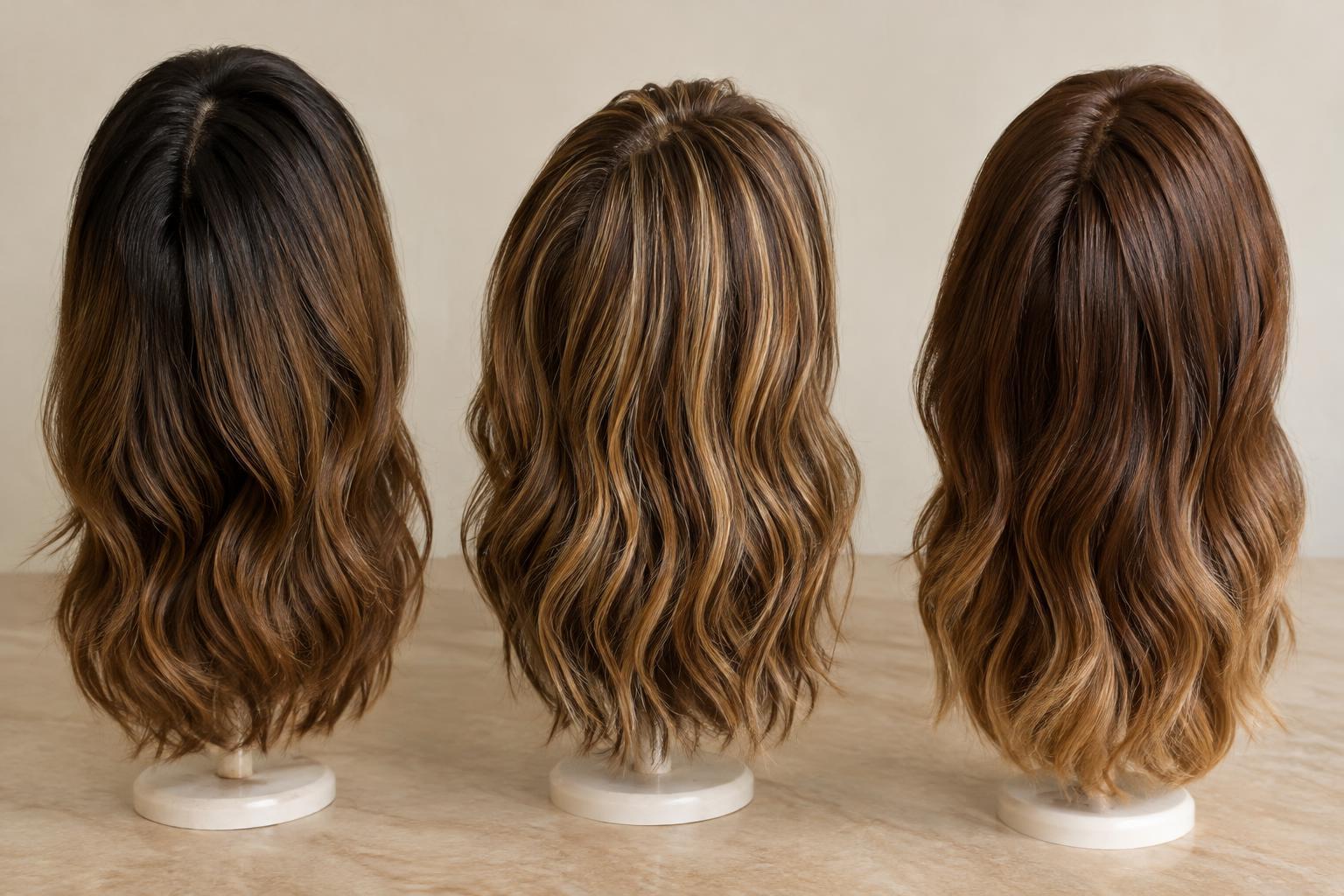
A side-swept fringe works by directing the front hair diagonally across part of the forehead. It is easiest to create when the wig has layers around the face or front strands long enough to reach towards the opposite temple. Very short, blunt bangs may not sweep comfortably, while long, heavy front sections may need gentle shaping to stay in place.
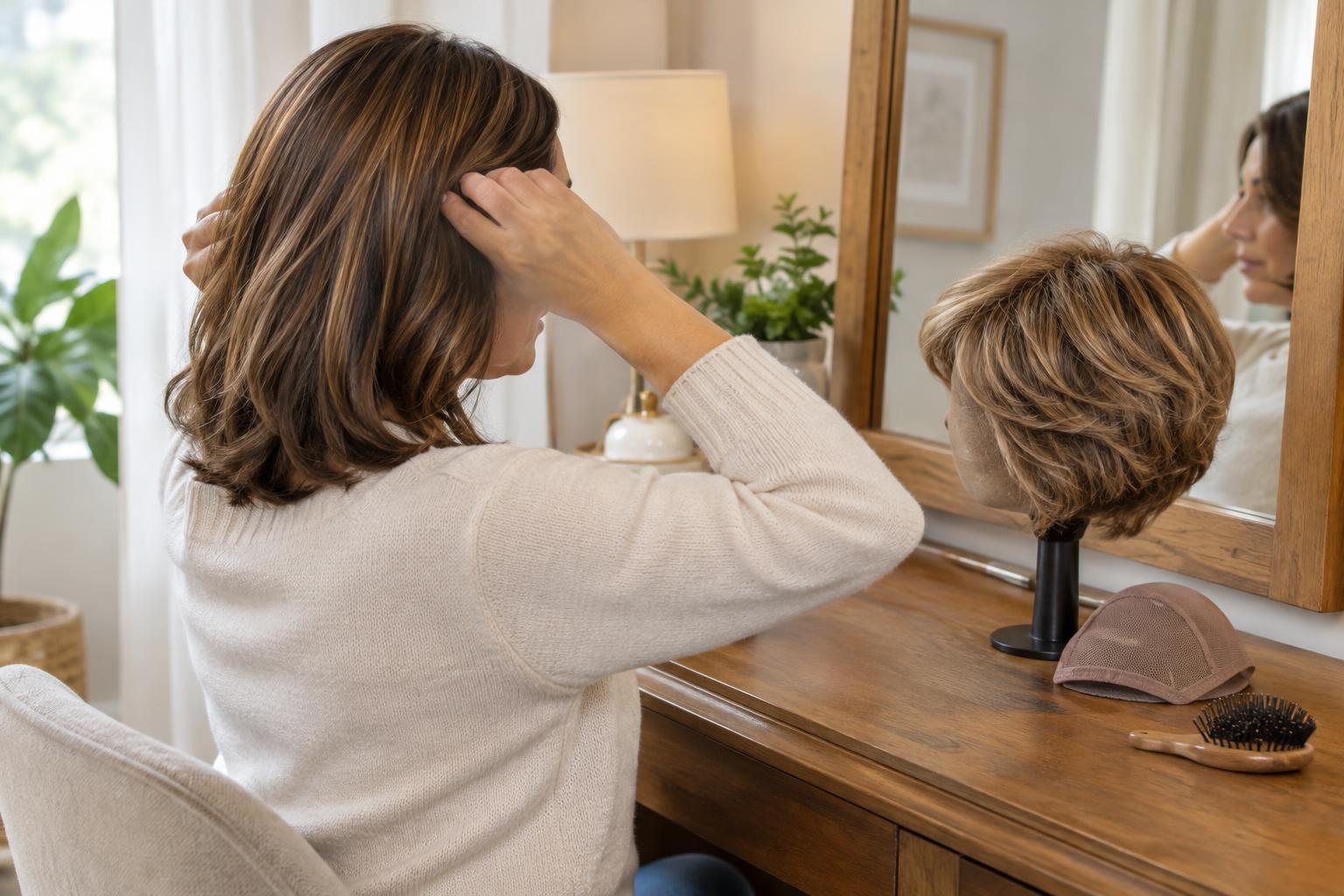
Put the wig on and settle the cap into its usual position before deciding where the fringe should fall. A section that looks right on a stand may behave differently when the wig is fitted. Check that the hairline and parting still look as you want them to when the strands move. If sweeping the hair reveals a weft, cap edge or an area you would rather cover, try a smaller section or choose a less dramatic angle.
Use your fingers to separate a narrow section at the front, then let the remaining hair fall naturally. Starting small gives you room to add hair without creating a thick band across the face. If you wear glasses, check whether the section catches on the frames when you turn your head.
Shape the sweep gently
Brush or comb the selected section in the direction you want it to travel, supporting the hair near the cap with your free hand. Work from the ends upwards if there are tangles rather than pulling a tool through the roots. Sweep the section across at a relaxed angle and let the ends blend into the hair beside your cheek or temple. A little space between the hair and your forehead often looks softer than pressing every strand flat.
For a human-hair wig, a light mist of water can make the section easier to guide while it dries. Keep the cap from becoming unnecessarily damp and allow the hair to dry fully before storing the wig. For a synthetic wig, water may help with minor flyaways, but it will not necessarily change a factory-set style. Heat-resistant synthetic fibers and human hair may permit heat styling, but only after you have checked the wig’s care guidance. This look does not require hot tools.
If the sweep springs back, try changing where the section begins rather than forcing it into place. Drawing hair from slightly farther to one side can provide a more natural path across the forehead. Avoid pulling so much hair forward that the wig loses volume elsewhere or feels tight at the front.
Secure the fringe without stressing the cap
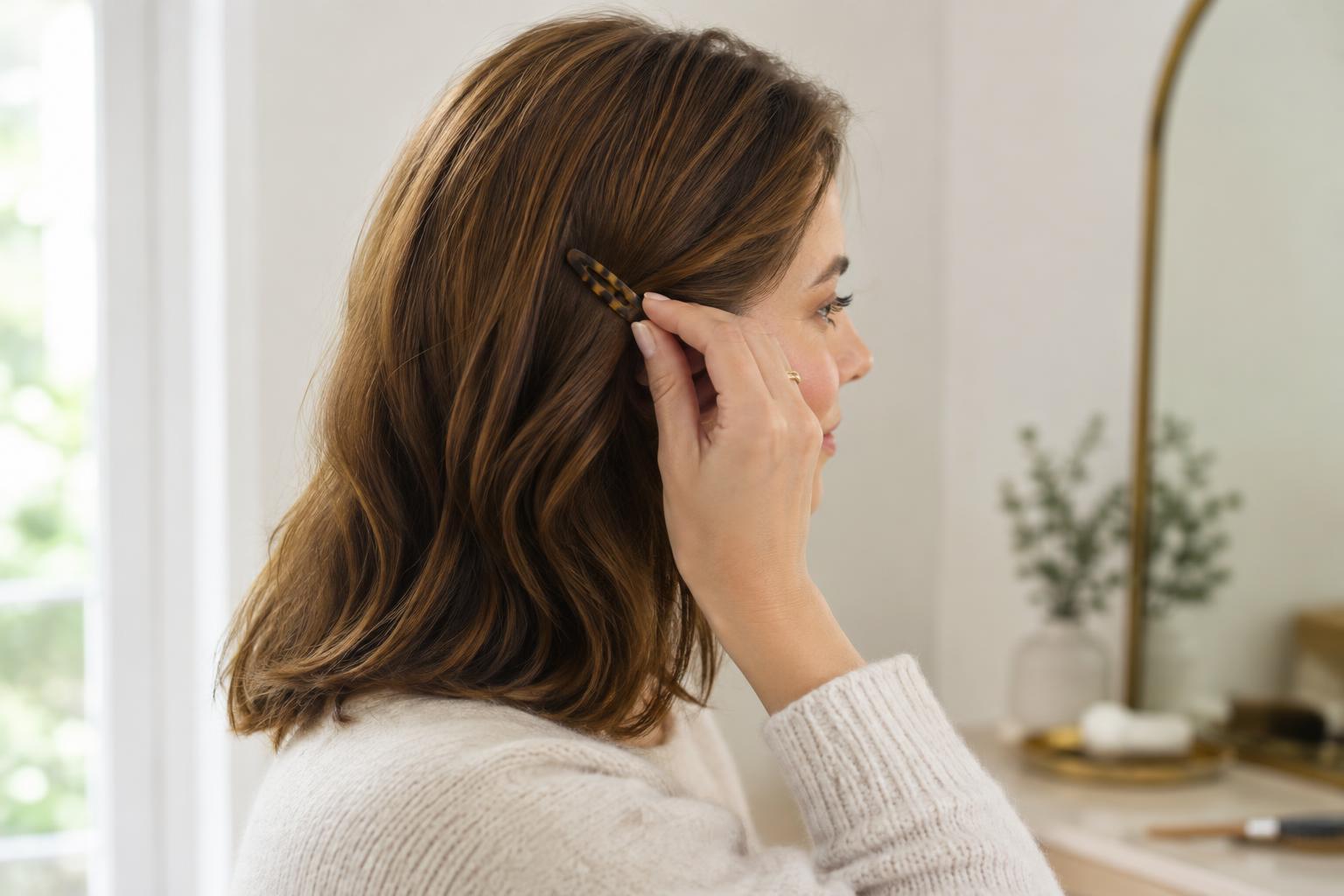
A small clip can hold the end of the swept section near the temple, underneath a loose layer of hair. Slide it through the wig hair rather than digging it into lace, a weft or the cap edge. A lightweight, smooth accessory is less likely to catch fibers than one with sharp teeth. If you prefer an accessory to show, a simple side clip can make the fastening look intentional.
Another option is to twist the end of the section loosely before clipping it back. Keep the twist soft: a tight twist can tug at the front of the wig or bunch the cap. If the section will not stay put without several clips or strong tension, use less hair and let more of the ends fall freely. The style should remain comfortable when you speak, turn your head and look down.
A small amount of product may help tame stray hairs, but choose one suitable for the wig’s fiber and apply it sparingly to the hair, not the cap. Too much product can make a soft sweep look rigid or leave residue that calls for more frequent washing. You can also leave a few short face-framing strands loose instead of trying to hold every hair in a precise line.
Check the look and reset it after wearing
Before going out, look at the style from the front and both sides. Check that the clip is either concealed or placed where you want it visible, and that the fringe does not repeatedly fall into your eyes. Move your head naturally for a moment; if the section shifts immediately, adjust its angle or position the clip farther back rather than tightening it against the hairline.
At the end of the day, remove clips slowly while supporting the hair around them. Gently separate any strands caught in the fastening, then return the front section towards its usual direction with your fingers or a suitable brush. If you used product, follow the wig’s care guidance for refreshing or washing it rather than scrubbing at the front hairline.
The advantage of a side-swept fringe is its flexibility. You can vary the width of the section, the angle of the sweep and whether the fastening is visible, all without committing to a cut. If one arrangement exposes the cap or feels uncomfortable, release it and try a lighter version.