What does wig density describe?
Density is a way of describing how much hair is attached to a wig cap. A fuller wig usually has more fibres across its base than a lighter one, but density is not the same as strand thickness. A wig made with fine fibres can have a high density and still fall relatively flat, while thicker or more textured fibres may create a full silhouette with less hair.
Listings sometimes express density as a percentage or use terms such as light, medium and full. These labels can help you navigate one seller’s range, but they are not necessarily measured in the same way across sellers. A percentage alone does not tell you how hair is distributed across the cap, how it will move, or how bulky it may feel when worn. Treat it as a starting point rather than a guarantee of appearance.
Why construction and placement matter
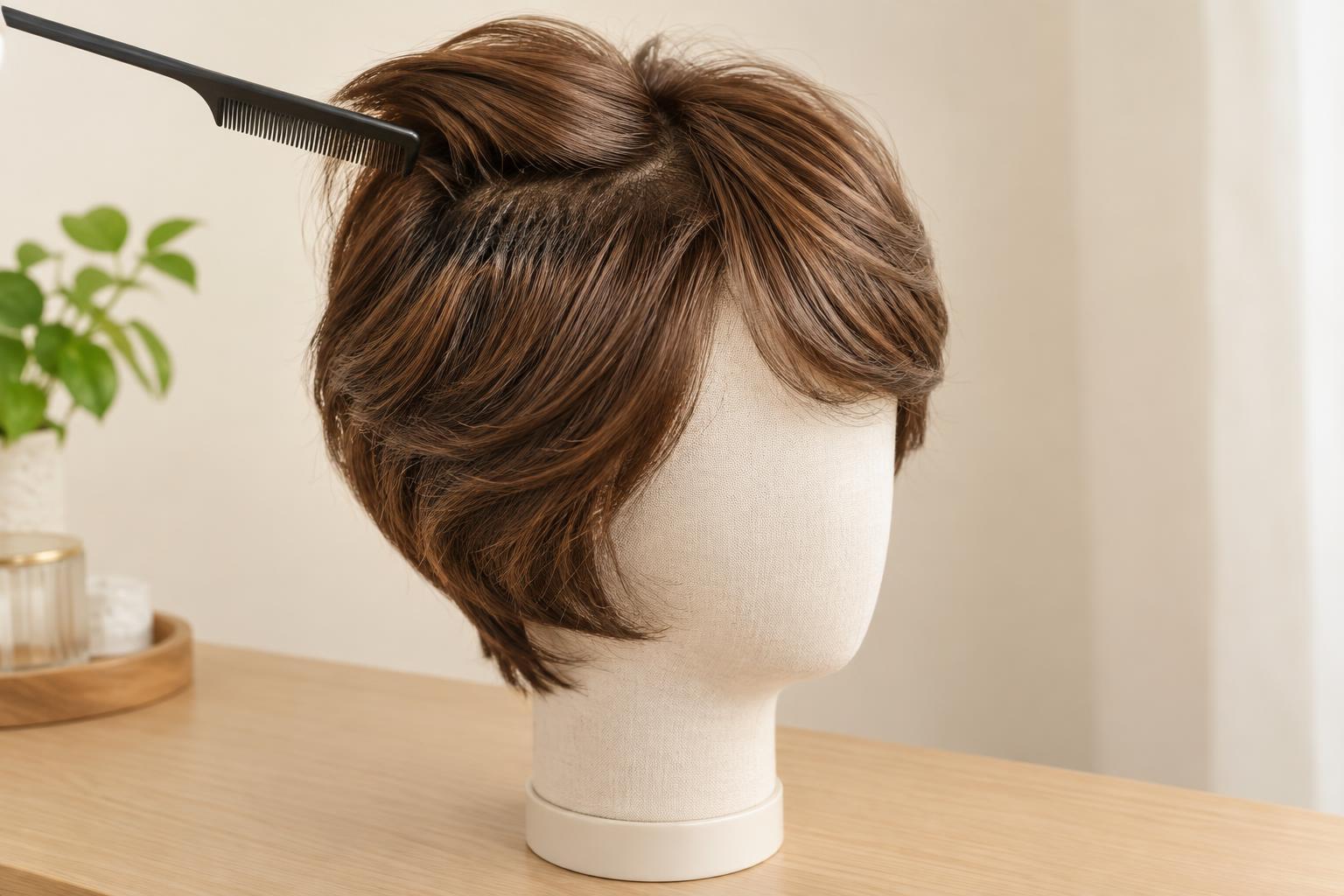
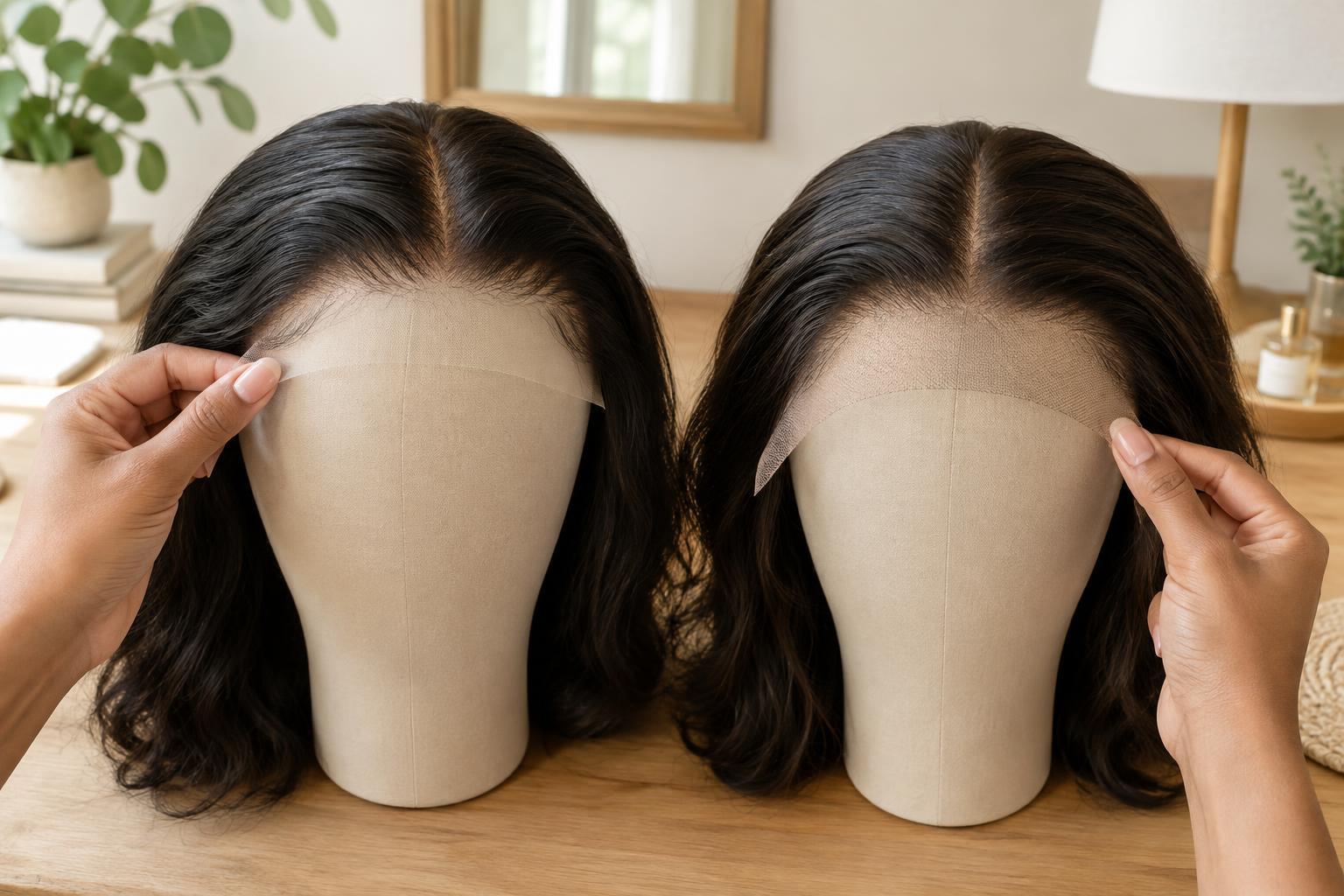
Two wigs with similar amounts of hair can look different because of where that hair is attached. A style with extra coverage around the crown may look taller, while one with more hair through the sides may appear wider. A lighter hairline can soften the transition between the wig and your skin even when the rest of the wig is quite full. Product photographs may not show these differences clearly, especially if the hair has been styled for the image.
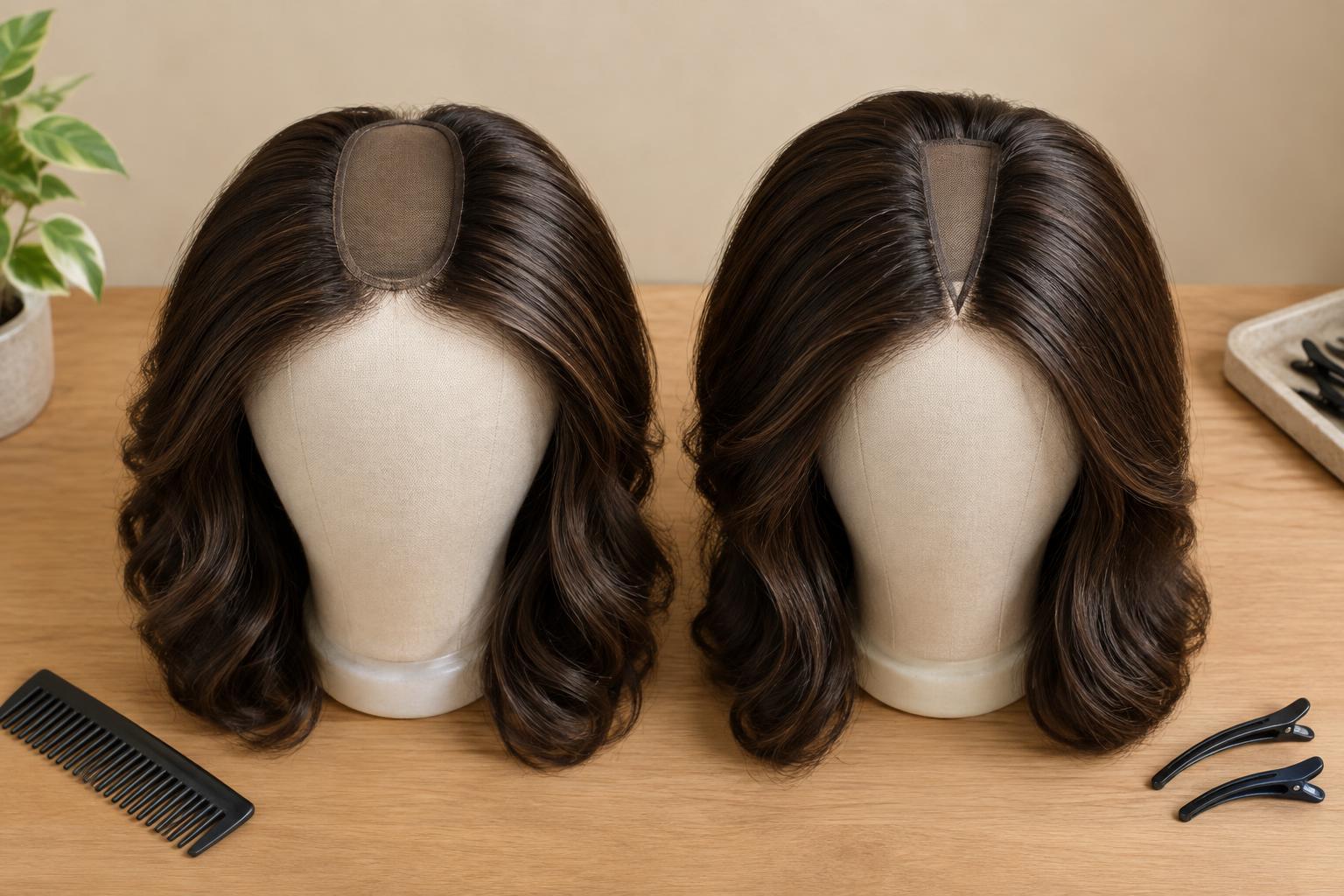
Construction also affects how easily you can rearrange the hair. On a wefted cap, rows of hair are sewn onto strips, and parting options may be limited by their placement. A hand-tied or monofilament area can allow hair to move more freely in that section. Neither construction automatically produces a natural-looking density: the amount of hair, its placement and your chosen style all contribute to the result.
How fibre, length and styling change the look
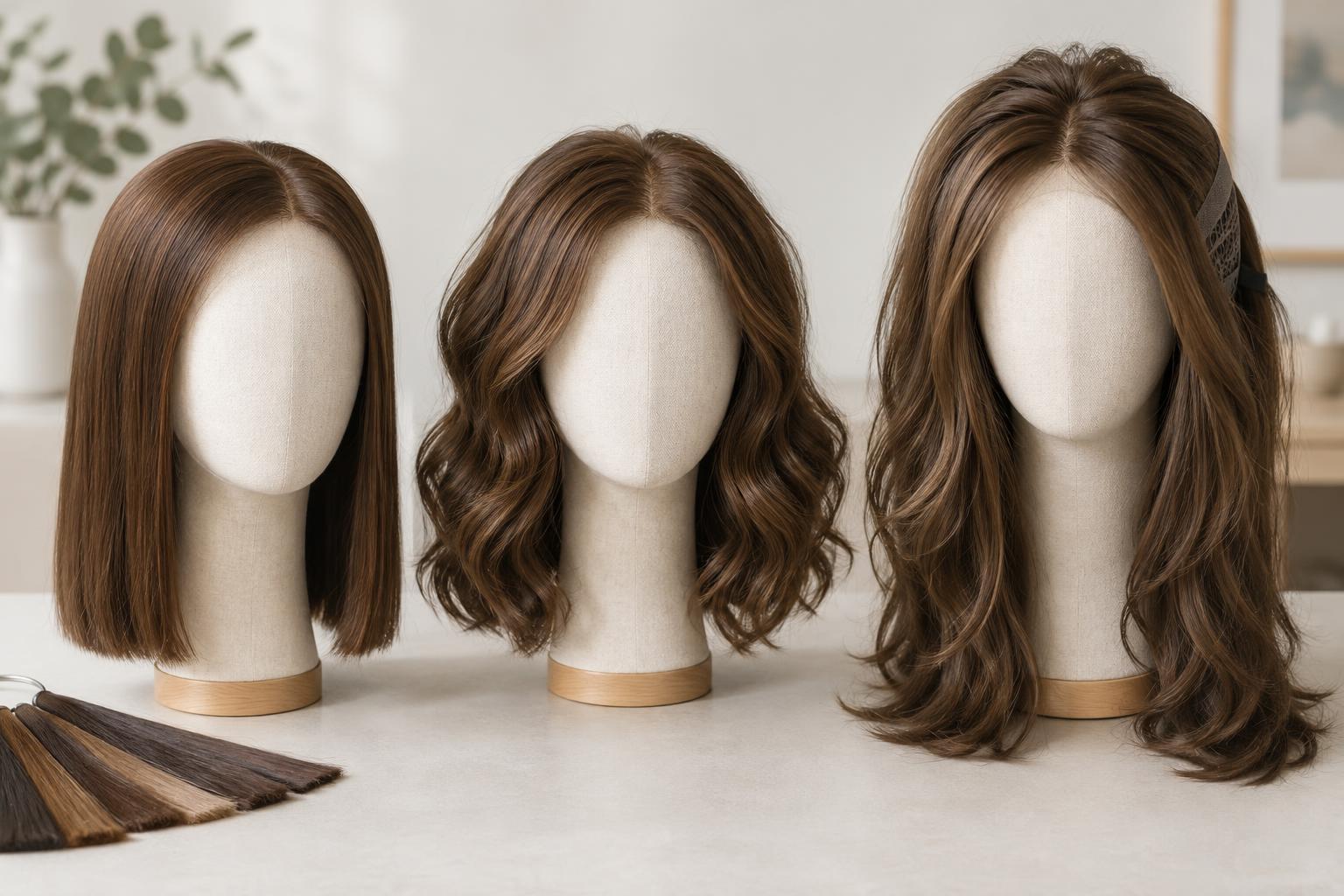
Texture plays a large part in perceived fullness. Waves and curls spread outward and create space between strands; straight hair tends to fall closer to the head. Even a gentle bend at the ends can make a wig appear fuller than the same wig worn smooth. Colour can influence what you notice, too: contrasting roots or highlights may make individual layers more visible, though the effect depends on the lighting and style.
Length changes how fullness is distributed. Long hair has more weight pulling it downward, so it may lie flatter at the crown while retaining volume through the lengths. If you want full-looking ends, check photographs of the whole wig rather than judging only the top. Styling can temporarily add or reduce volume, but it will not change how much hair is attached to the cap. Be cautious about assuming that a heavily styled product image shows how the wig will look straight out of its packaging.
Choosing a density that suits your preferences
Start with the shape you want rather than a percentage. If you prefer a close-to-head style, consider how much volume sits at the crown and sides. If you want to make updos or wear a long, flowing style, look at coverage through the lengths as well as around the hairline. More hair can offer styling possibilities, but it can also add weight, warmth and drying time. Lighter density may feel easier to manage, although it may give less coverage when the hair is moved.
When shopping online, compare several views of a wig where possible: front, side, back and an unstylised view are especially useful. Read the construction description alongside the density label, and check whether reviews discuss fullness in particular areas rather than only calling the wig “thick” or “thin.” If you can try a wig on, move the parting where the cap allows and look at it in ordinary lighting. The most useful density is the one that gives you the coverage and shape you like while remaining comfortable to wear.