What the two labels tell you
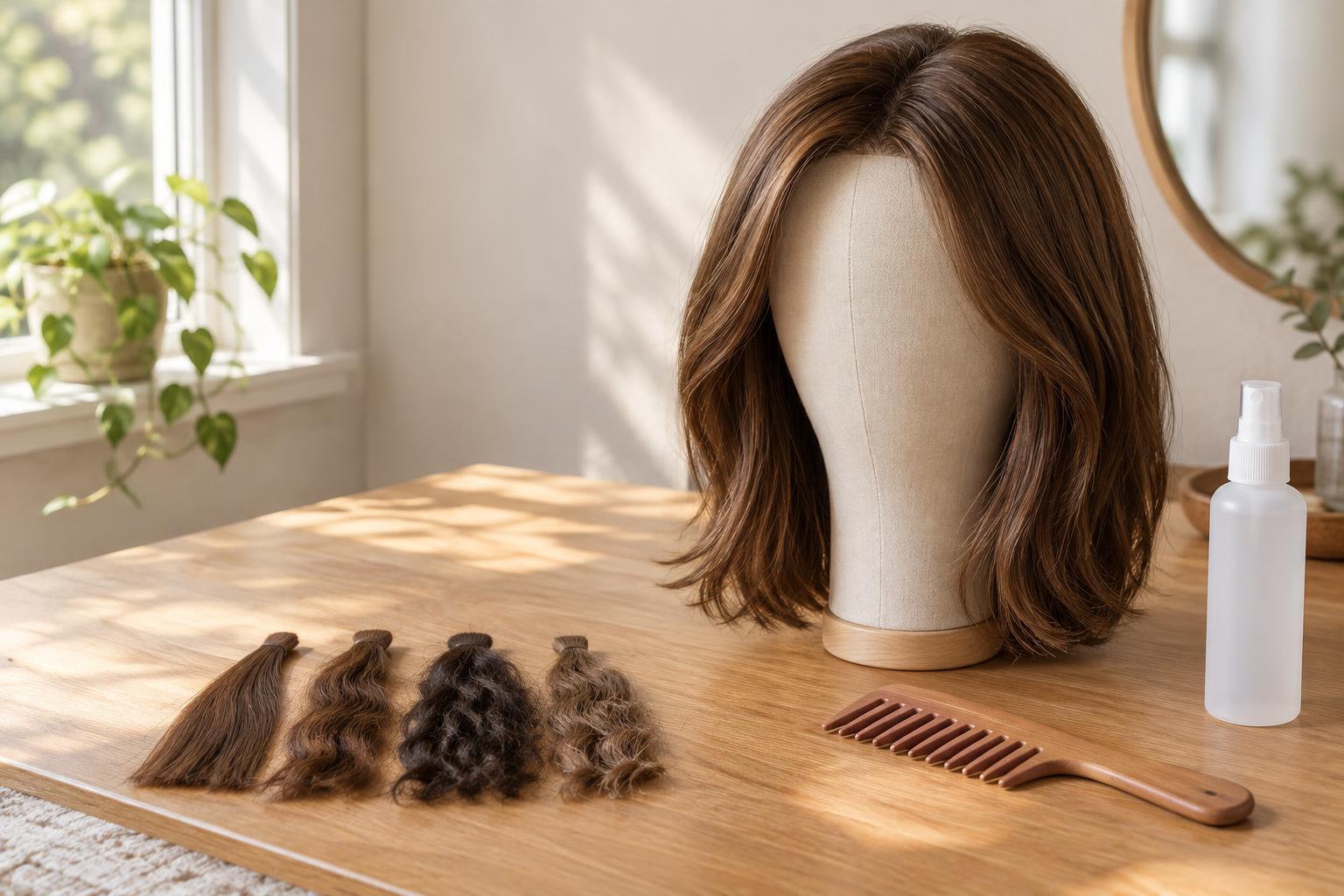
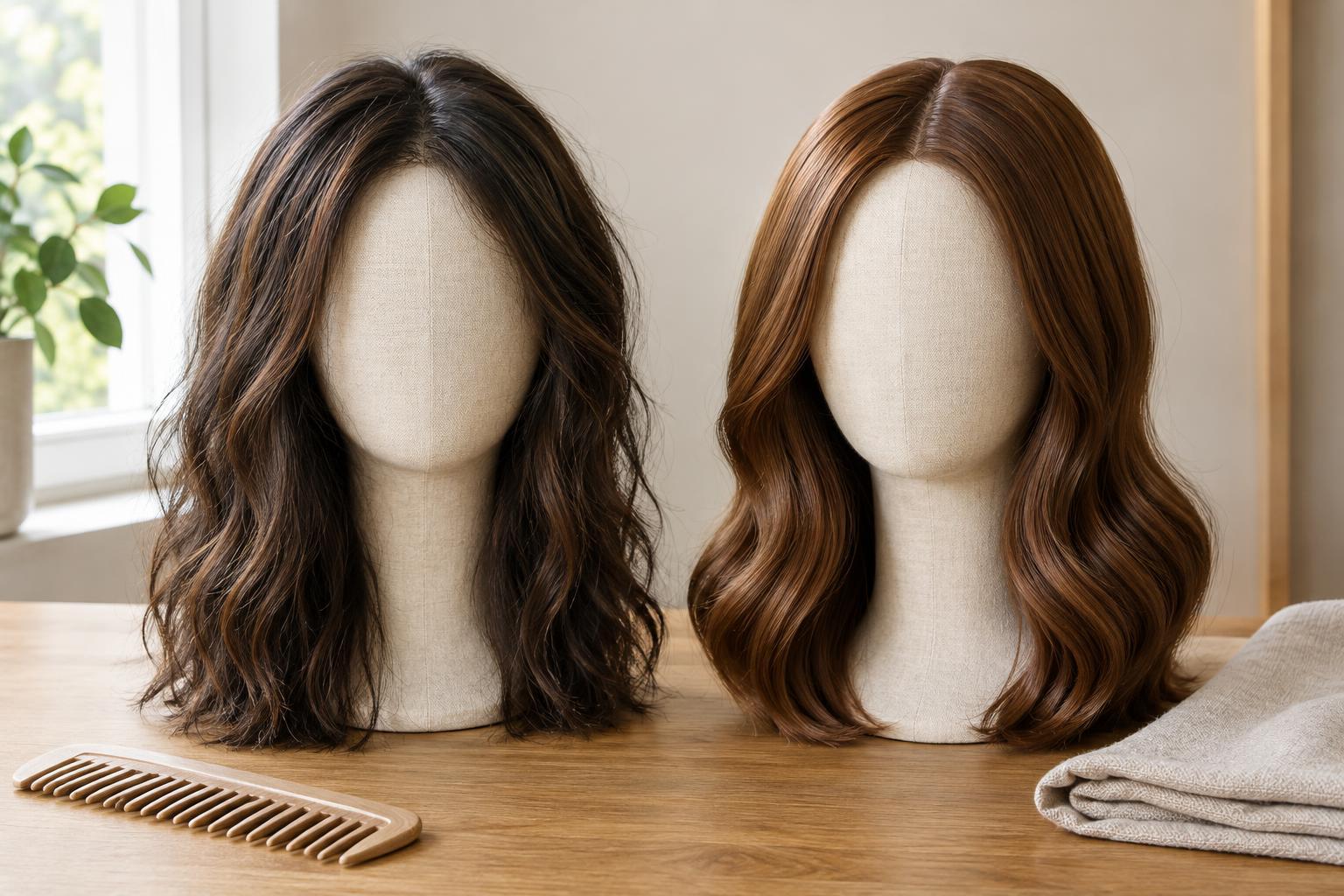
Synthetic wig fibres are manufactured strands designed to resemble hair. A standard synthetic wig usually arrives with a set style: its waves, curls or straight finish are intended to keep their shape through ordinary wear and gentle washing. This can make it a convenient choice if you want a familiar look without restyling after every wash.
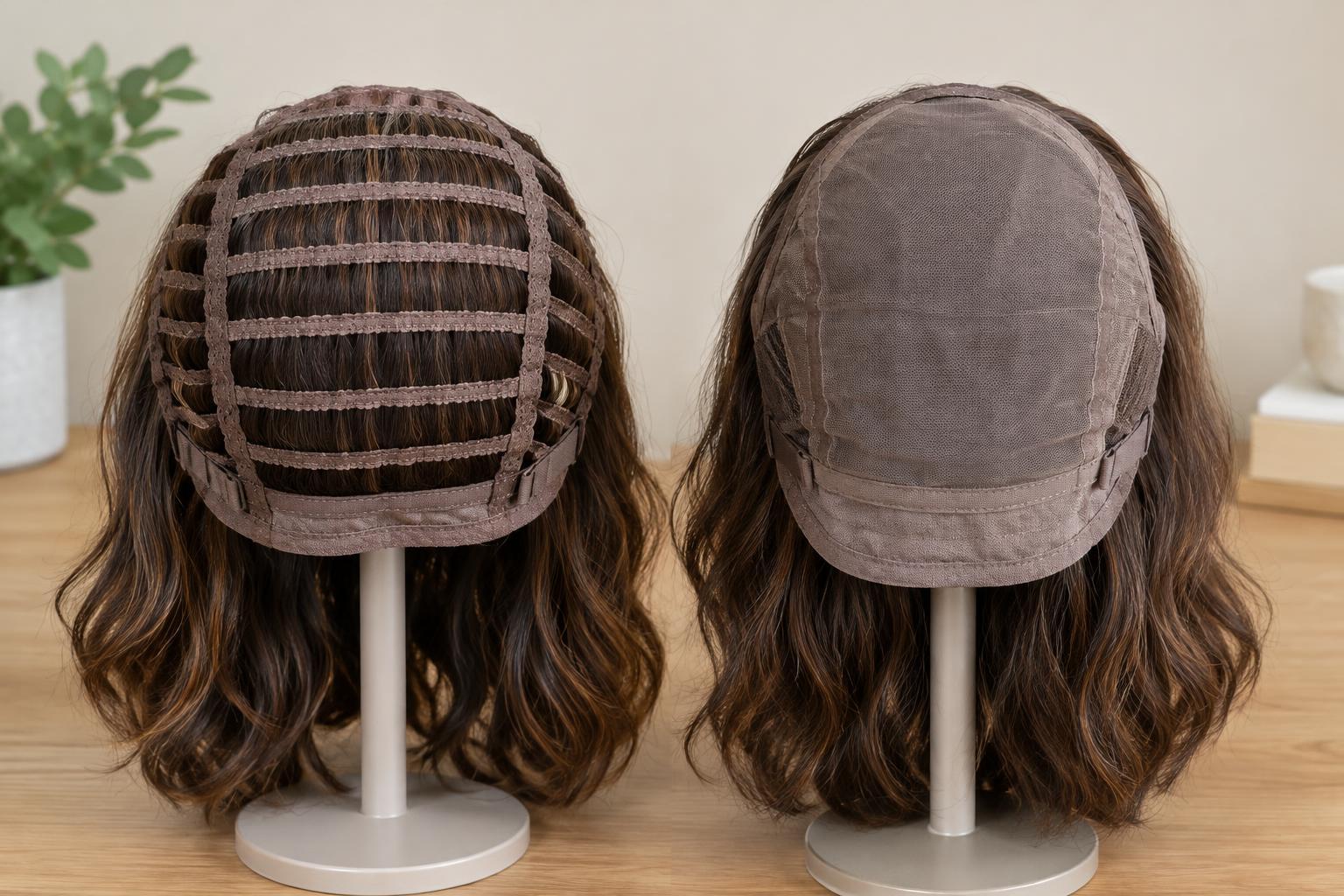
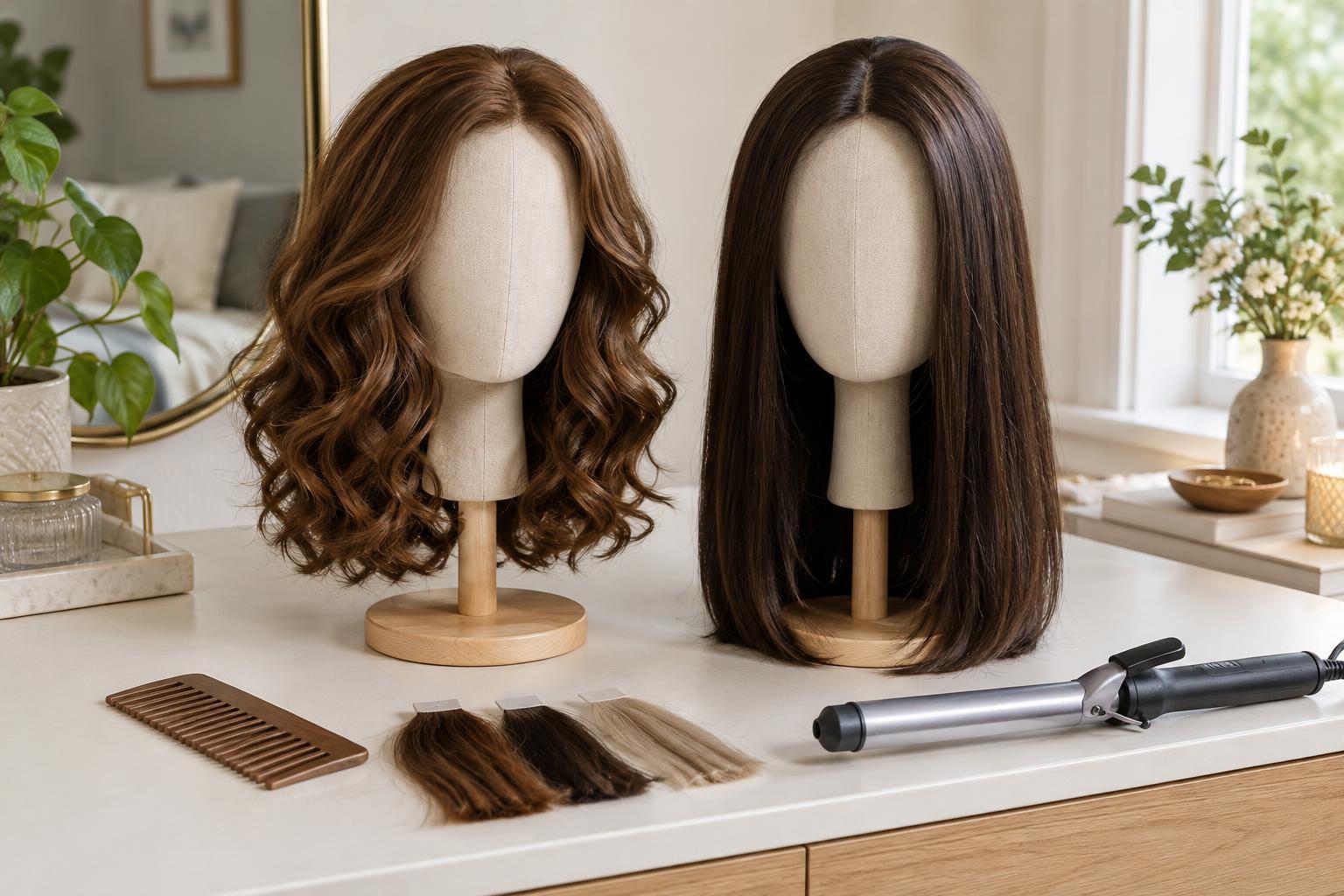
A heat-resistant synthetic wig is made with fibre intended to tolerate some use of heated styling tools. That gives you more room to change its finish, but “heat-resistant” does not mean heatproof. Fibres vary between products, and too much heat or prolonged contact can permanently change their texture. A wig’s fibre label also describes only part of the product: cap construction, density and fit are separate things to consider.
Read the instructions, not just the product name
Terms such as “heat-friendly”, “heat-styleable” and “high-temperature fibre” can sound precise, but they do not establish one universal safe setting. Look for the maker’s care instructions and any stated temperature limit for the particular wig. Check whether the listing identifies the fibre as standard synthetic, heat-resistant synthetic or a blend. If the information is missing or unclear, ask the seller before using a heated tool.
Do not assume that a familiar-looking wig can be styled like human hair. Nor should you assume every part of a wig tolerates the same treatment: lace, clips, adhesives, fibres near the cap and decorative details may react differently to heat. A clear listing should tell you what the wig is made from and how it may be styled; a vague label is a reason to proceed cautiously.
How styling differs in practice
For standard synthetic fibre, begin with non-heated methods. Use your fingers or a suitable wig comb to arrange the style, working gently from the ends towards the roots. After washing, allow the wig to air-dry on an appropriate stand. If its original shape needs refreshing, follow the product’s care directions rather than reaching for straighteners or a curling iron. Even a quick pass with a hot tool may leave a shiny, rough or misshapen patch.
Heat-resistant fibre offers more styling options, but the maker’s limit is a ceiling, not a target. If heated styling is permitted, start with the lowest setting that falls within the stated guidance and test an inconspicuous strand first. Work in small sections without holding the tool in one place. Some heat-resistant styles set as the fibre cools, so let a curl or bend cool before brushing it out. If the fibre looks stressed or feels unusually coarse, stop.
Care still matters with both fibres
Heat tolerance does not prevent tangles, friction or wear. Handle either type gently at the nape and wherever it rubs against clothing. Wash only as needed, using products and methods suitable for that wig, then dry it according to its care instructions. Keep it away from radiators, hot appliances and other uncontrolled heat sources. A wig that can tolerate a specified styling tool may still be damaged by heat applied for too long or without care.
When storing a wig, make sure it is dry and keep it where its style will not be crushed. A stand can help preserve the shape of a frequently worn wig; a suitable storage box can protect one you wear less often. These simple habits matter whether you plan to restyle the wig or keep its original look.
Which fibre is the better fit for you?
Choose standard synthetic if you like the style as sold and would rather keep daily styling simple. Consider heat-resistant synthetic if changing between straight, wavy or curled finishes is important to you and you are comfortable following tool limits carefully. Neither label guarantees that a wig will feel comfortable, look a certain way or last for a particular length of time; construction, fit, handling and use all play a part.
Before buying, check the fibre description, care guidance, permitted styling methods and return terms. Think about whether the wig’s starting style suits you without modification. The most useful label is one backed by specific instructions: it helps you decide not only what you can do with the wig, but how much styling work you actually want.