The basic difference is where the lace sits
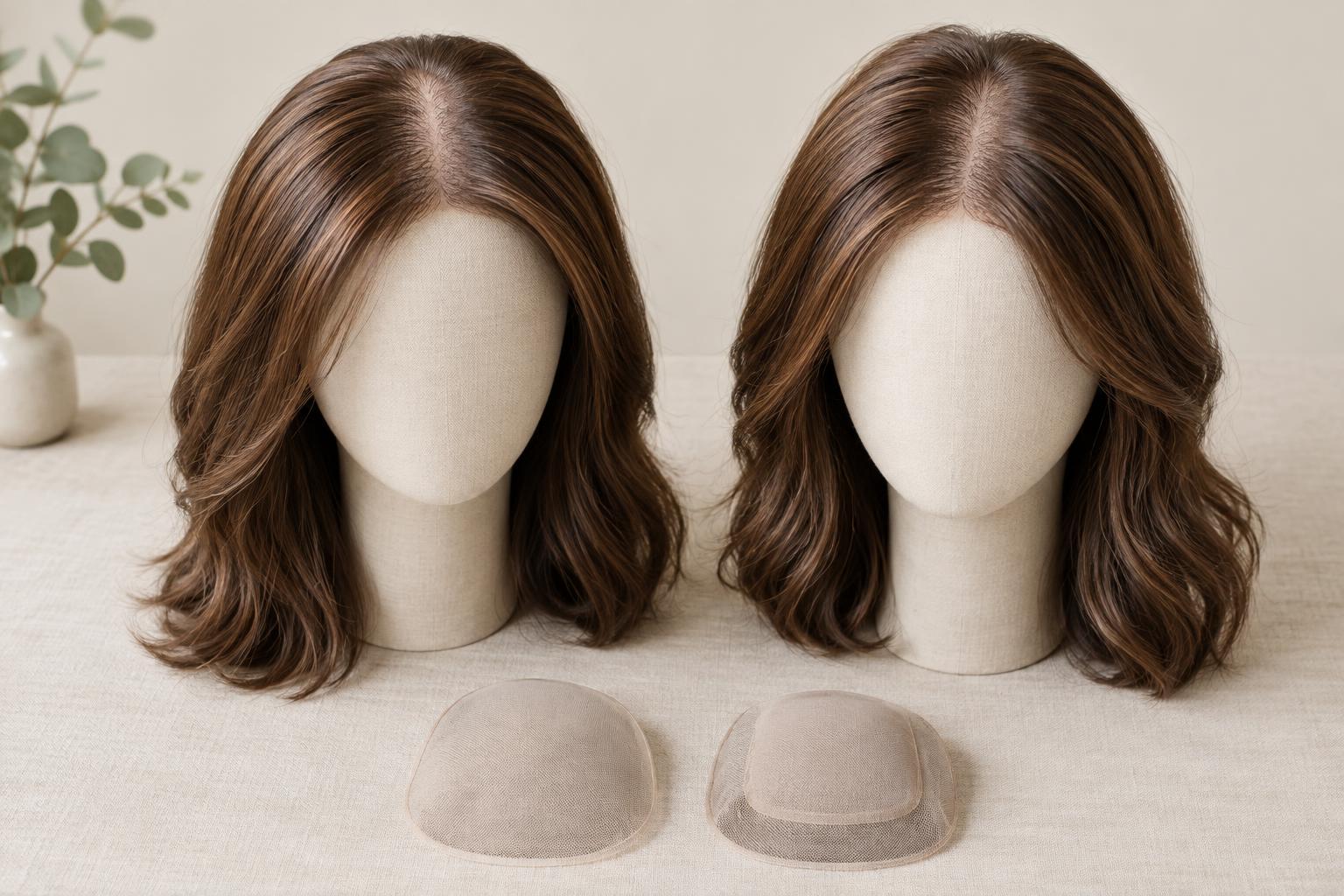
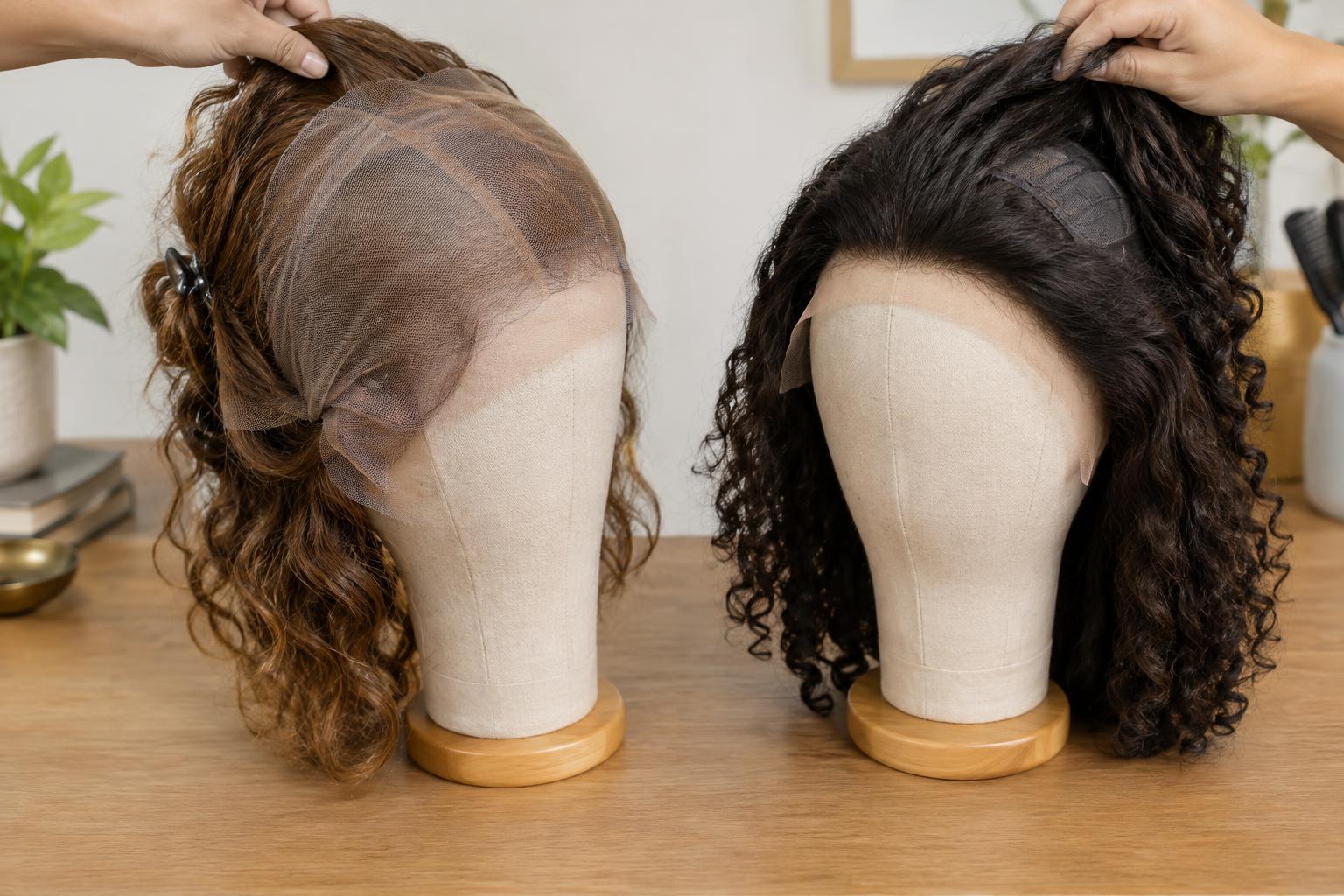
A full-lace wig has a lace base extending across the head. Hair is attached throughout that lace base, commonly by knotting individual hairs or small groups of hairs into it. Because lace is present beyond the front hairline, this construction can allow hair to be parted and directed in more places. The exact freedom depends on how the wig is made, so “full lace” is a description of the base, not a promise that every style will work.
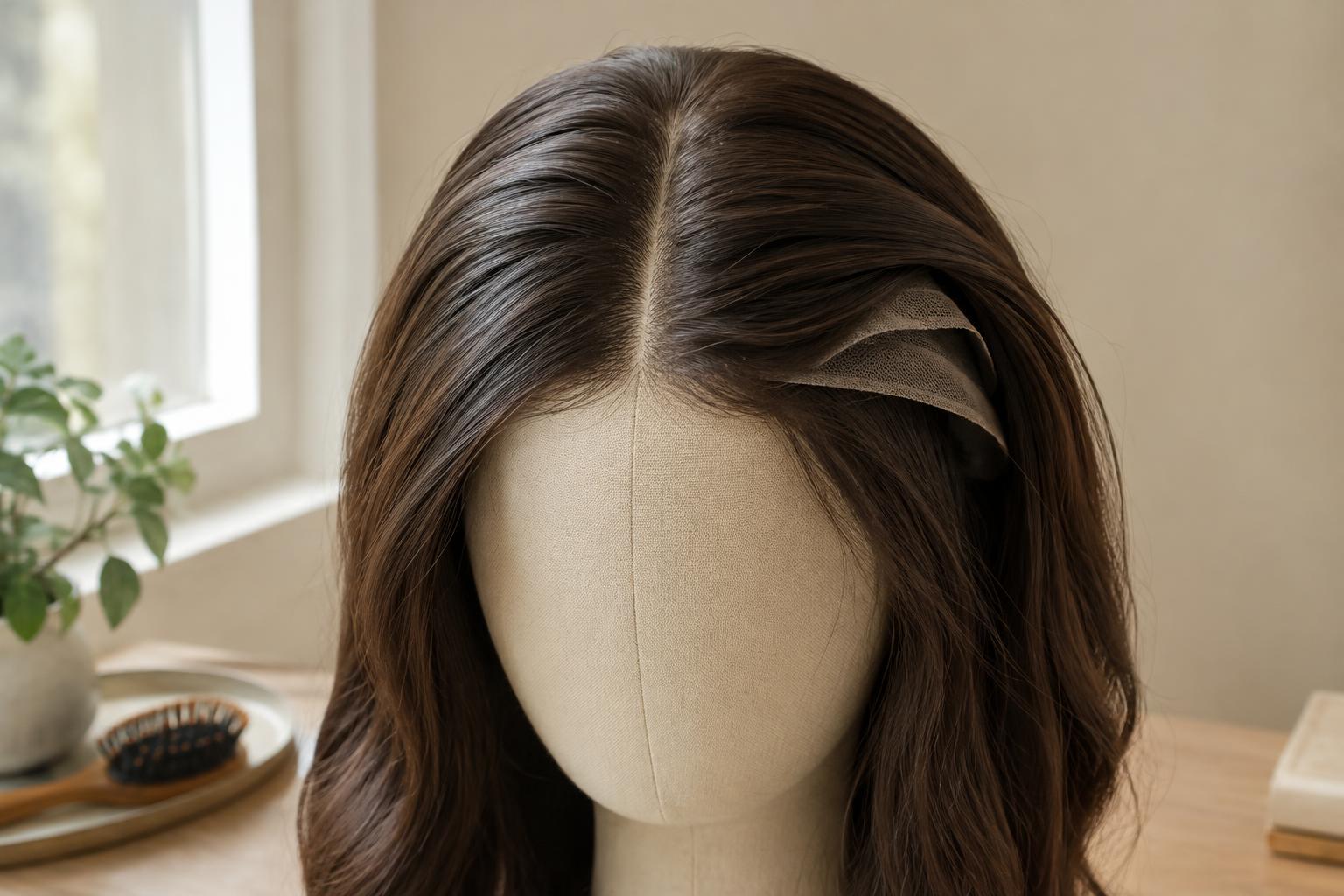
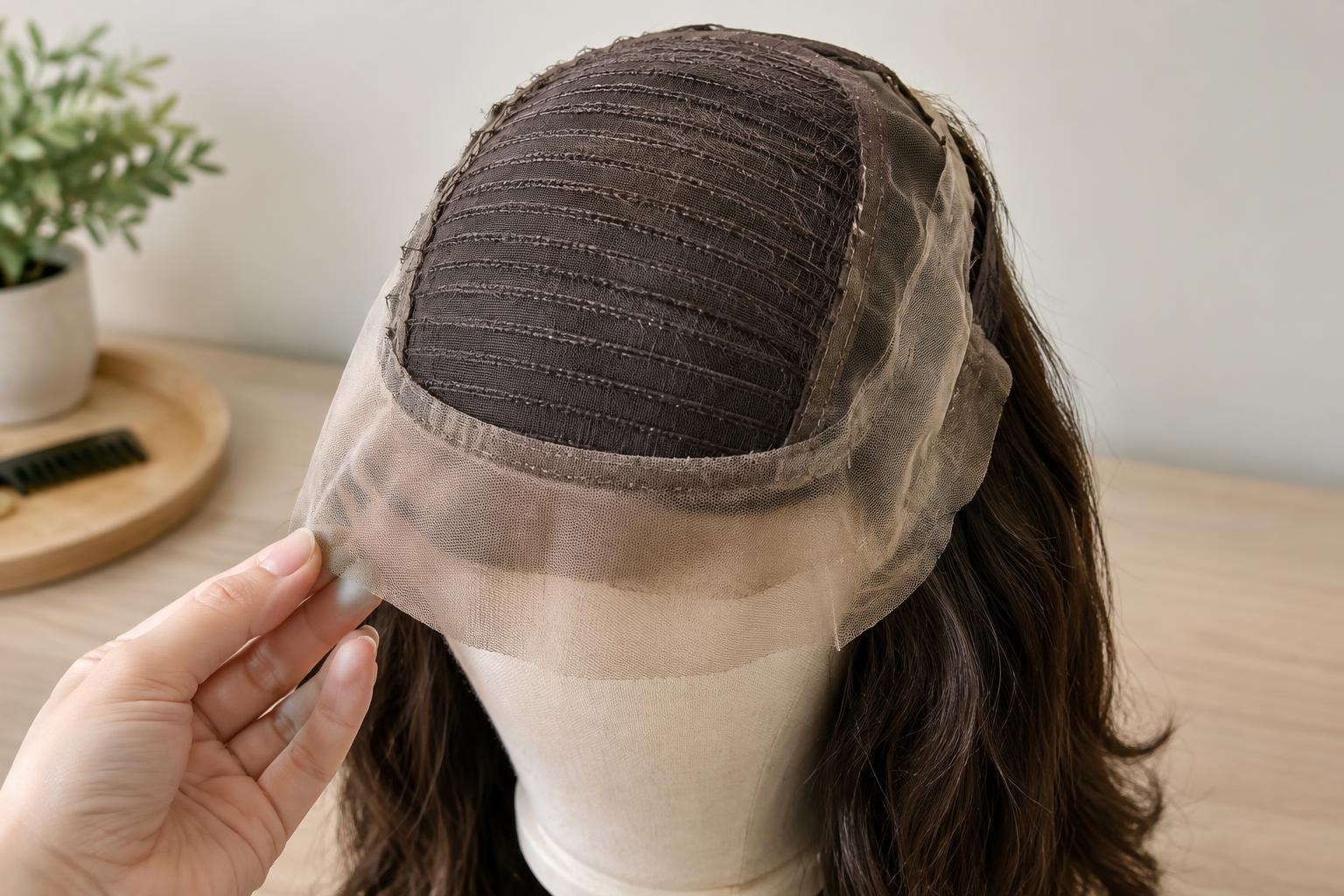
A lace-front wig has lace at the front, where it helps create the appearance of hair growing from the forehead. Behind that area, the cap uses another construction, such as wefts sewn onto a base. The size and shape of the lace area vary between products. Both types may be made with human hair or synthetic fibres: the terms “full lace” and “lace front” describe construction, not hair material.
How construction affects styling
The most noticeable styling difference often appears when you move hair away from the face or change its part. A full-lace wig generally offers more options for placing a part and arranging the hair because the lace base continues around the head. It may also make higher updos or styles that expose the sides and back easier to plan. You still need to check where the hairline falls, how the hair is attached and whether the density suits the style you want.
A lace-front wig works well for many down styles and styles that show the front hairline. Parting is usually most convincing within its lace area; a part extending beyond that area may reveal a change in construction. Some lace-front wigs have more parting space than others. If you regularly wear a centre or side part, look at the usable lace area rather than relying on the product name alone.
Fit and appearance matter as much as the label
Neither construction automatically looks more natural. The result depends on cap fit, the shape of the hairline, hair density, lace colour and how the wig sits on your head. Lace is a fine mesh, not an invisible material; its edge or knots may be noticeable in some lighting or against some skin tones. Product photos can help you understand the design, but they may not show exactly how it will look on you.
Check the size information and any adjustment features before buying. A cap that is too loose may shift, while one that is too tight may be uncomfortable regardless of how much lace it contains. Many wigs can be worn using built-in adjustment features, depending on their design and the activity you have in mind; adhesive is not a requirement for everyone. If you plan to use adhesive, follow its instructions and avoid applying it to irritated skin.
Consider care, cost and your usual routine
Full-lace construction can require careful handling across more of the cap. Lace may stretch or tear if it is pulled hard, and vigorous brushing near attachment points can loosen hairs. Lace fronts also need gentle treatment at the hairline, even though the rest of the cap may be built differently. For either type, support the cap when putting it on or removing it, detangle gradually and follow the care guidance for the wig’s fibre.
Prices vary with factors beyond the amount of lace, including hair material, length, density and construction details. A full-lace wig may offer flexibility you will value if you change your part or wear exposed updos often. If you usually wear your hair down with a familiar part, a lace-front wig may provide the styling options you actually use. The better choice is not necessarily the one with more lace; it is the one whose features fit your routine and budget.
What to check before choosing
When comparing listings, look for clear views of the cap’s inside as well as the finished hairstyle. Ask how far the front lace extends, where you can place a part, what material makes up the rest of the cap and whether the sides and back are designed to be visible. Check the stated cap size, adjustment features, fibre type and care instructions. If a listing uses terms such as “free part” or “updo-friendly,” look for photos or details showing what those terms mean for that particular wig.
Start with the styles you expect to wear most often. That gives you a practical way to judge the construction instead of choosing by label alone. Whether you prefer the wider styling potential of full lace or the front-hairline focus of a lace-front wig, a comfortable fit and a manageable care routine will matter every time you wear it.