The basic meaning
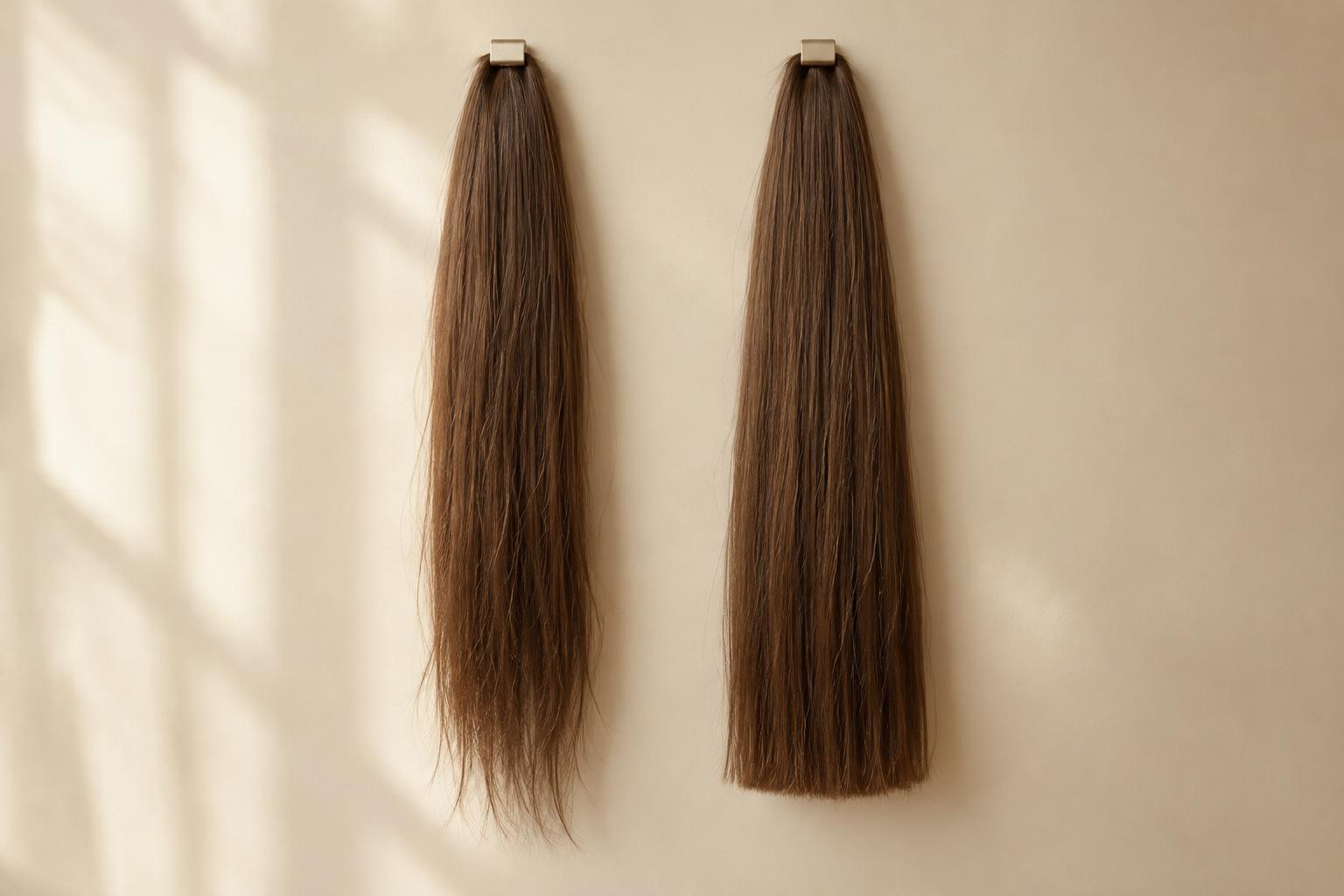
On a wig listing, “virgin hair” generally means human hair that has not been chemically coloured, bleached, permed or chemically straightened before being made into a wig. The idea is that the hair retains more of its original colour and texture than hair that has undergone those treatments. It describes the hair fibre, not the cap construction: a virgin-hair wig might have a lace front, a full-lace cap or another type of base.
There is no single description you can assume every seller uses. Some listings apply the term to hair that has been washed, conditioned or heat-styled; others may use it more loosely. A product name alone cannot tell you exactly what processing occurred. Look for a specific explanation of the seller’s definition, especially if the listing also mentions a colour or texture that may have required alteration.
What the label does not guarantee
Virgin does not automatically mean that all strands came from one donor, that the cuticles run in the same direction, or that the hair was collected in a particular country. Those are separate claims worth checking separately. “Remy” commonly refers to hair arranged with cuticles aligned in the same direction, while “raw” is often used to suggest especially minimal processing. Sellers may use these words differently, so ask what they mean for the particular wig rather than treating them as grades on a universal scale.
Nor does virgin mean that a wig will never tangle, shed or change with wear. Hair quality depends on factors such as the condition of the strands, how they were handled, how securely they are attached to the cap and how the wig is cared for. A well-made wig using hair described without the virgin label may suit you better than a poorly constructed one carrying it.
Read the colour and texture details closely
A natural dark shade may be consistent with hair that has not been dyed, but photographs and colour names cannot prove its treatment history. If a wig is advertised as both virgin and a pale blonde or vivid fashion colour, ask whether the hair was bleached or coloured after collection. A seller may mean that it was virgin before the wig was made, rather than that the finished hair is unprocessed. Neither interpretation is automatically wrong for your needs, but the distinction matters if you plan to colour the wig yourself.
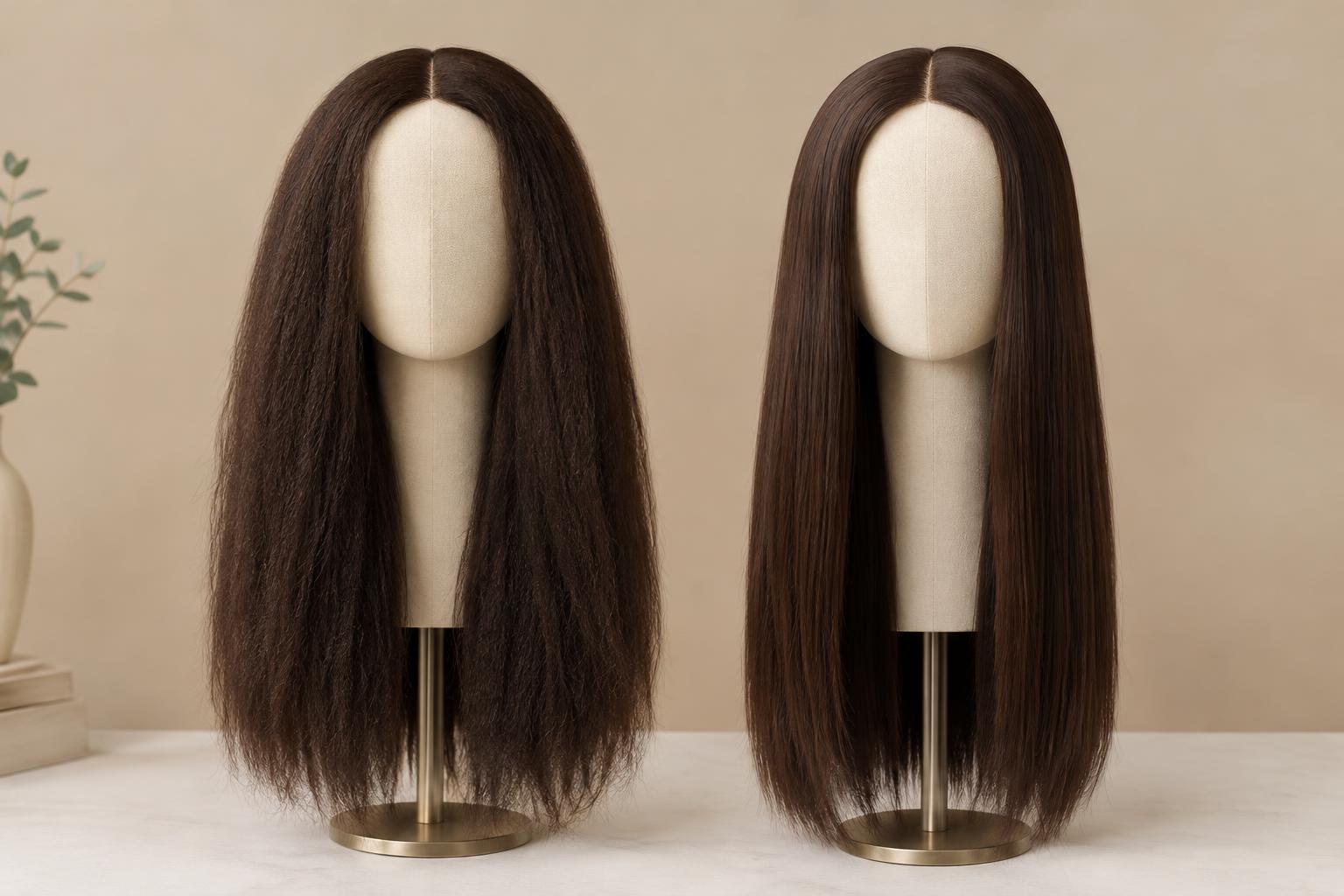
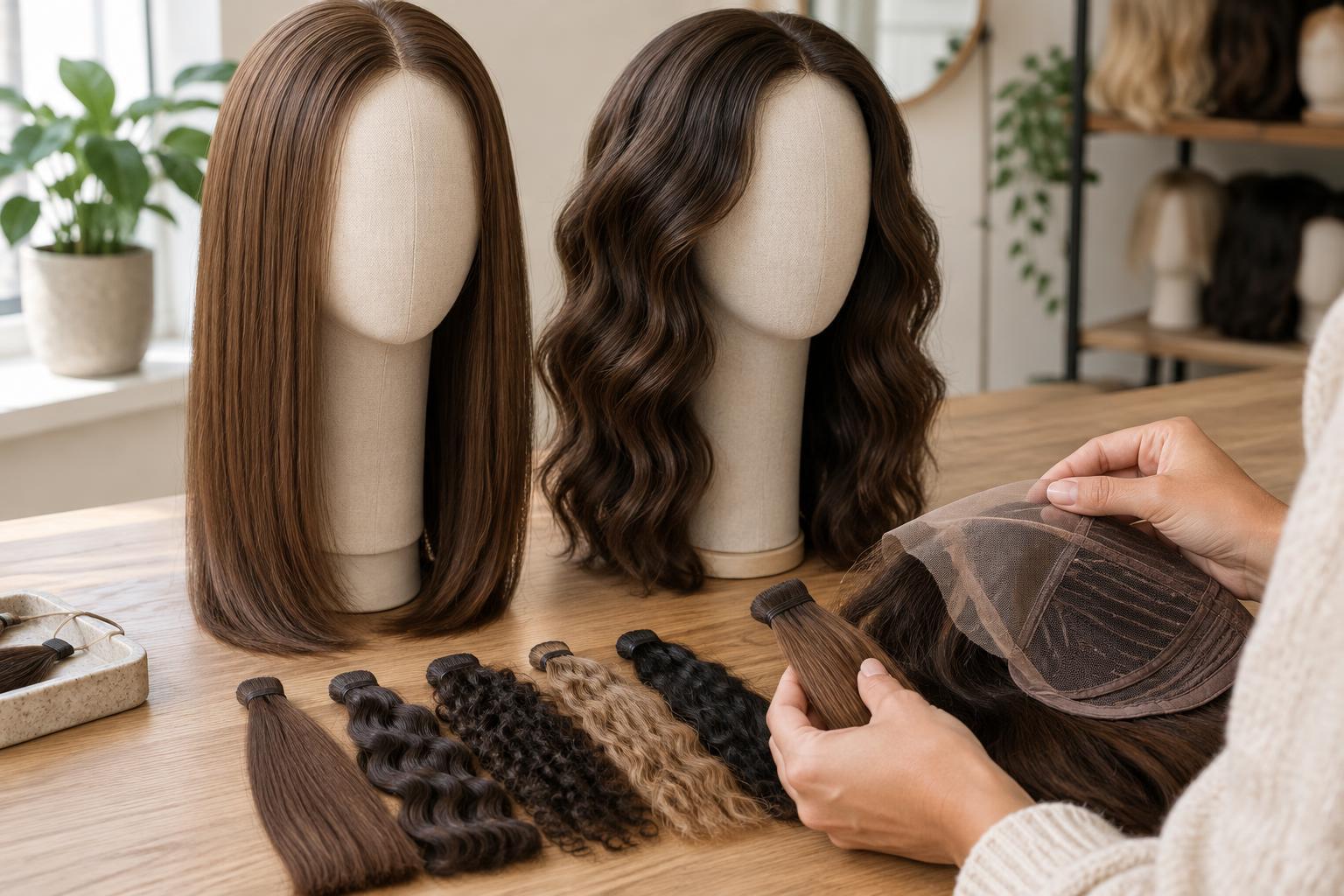
Texture deserves the same attention. Some human hair is naturally straight, wavy or curly, while some wig hair is given a pattern through styling or processing. Ask whether the texture will return after washing and what routine the seller recommends for maintaining it. Photos of the wig after washing, if available, may be more helpful than styled product images when you are choosing a texture for everyday wear.
Questions to ask before buying
Start with the finished product, not just the headline label. Ask whether the hair has been dyed, lightened, chemically textured, coated or blended with other fibres. Check whether the stated colour and wave pattern are natural to the hair or were created during manufacture. If a listing says “100% virgin human hair,” ask whether that description applies to every part of the wig, including any highlights or added pieces.
Then consider the wig as a whole. Confirm the cap type, size, density, length and return conditions, because none of those details follows from the word virgin. If you hope to recolour the hair, ask what has already been done to it and consider testing a small, inconspicuous section first. Human hair can respond unpredictably to further colouring, and the listing cannot guarantee a particular result.
Choose for your routine, not the label alone
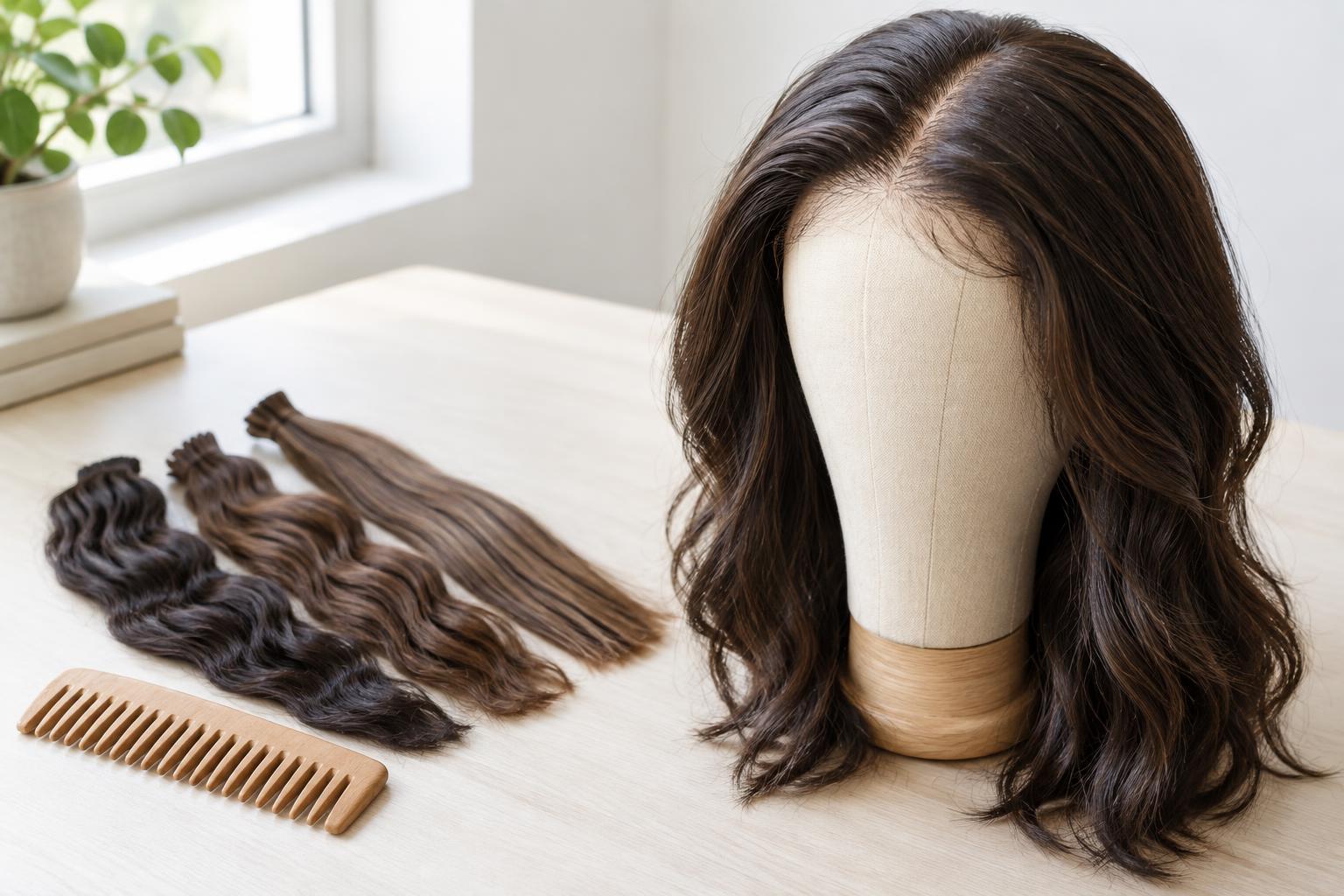
Virgin hair may appeal to someone who wants human hair with less prior chemical alteration, but it still needs gentle washing, conditioning, detangling and sensible heat use. Follow any care guidance supplied for the wig, including instructions for its cap and attachments. Store it so the hair is not crushed or tangled, and avoid assuming that an expensive-sounding label makes it maintenance-free.
The most useful listing explains what the seller means by virgin, describes any treatment after collection and gives clear details about the finished wig. Compare those details with your preferred look, budget and willingness to style and care for human hair. If the description stays vague when you ask direct questions, it is reasonable to keep looking.