What do HD and standard lace mean?
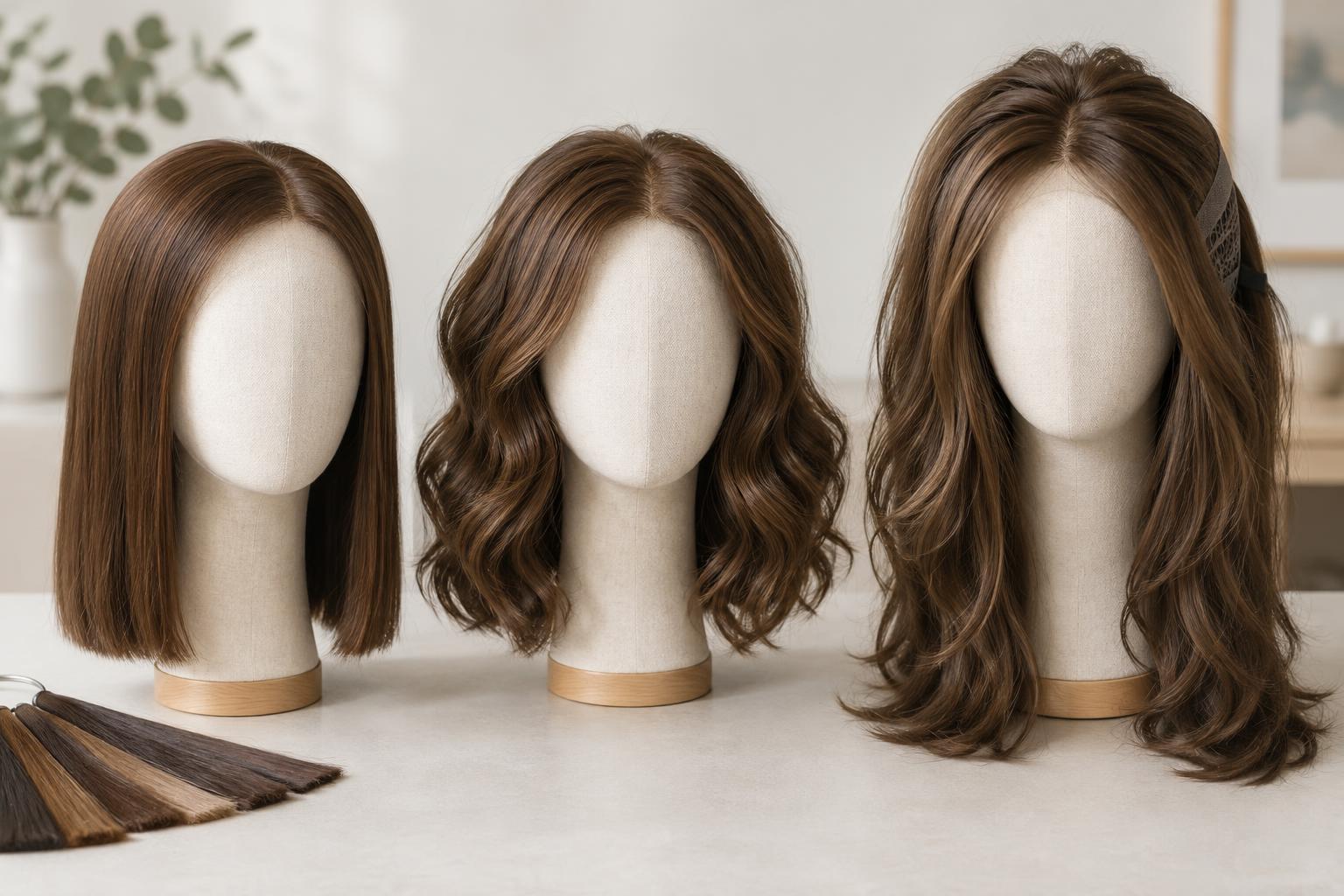
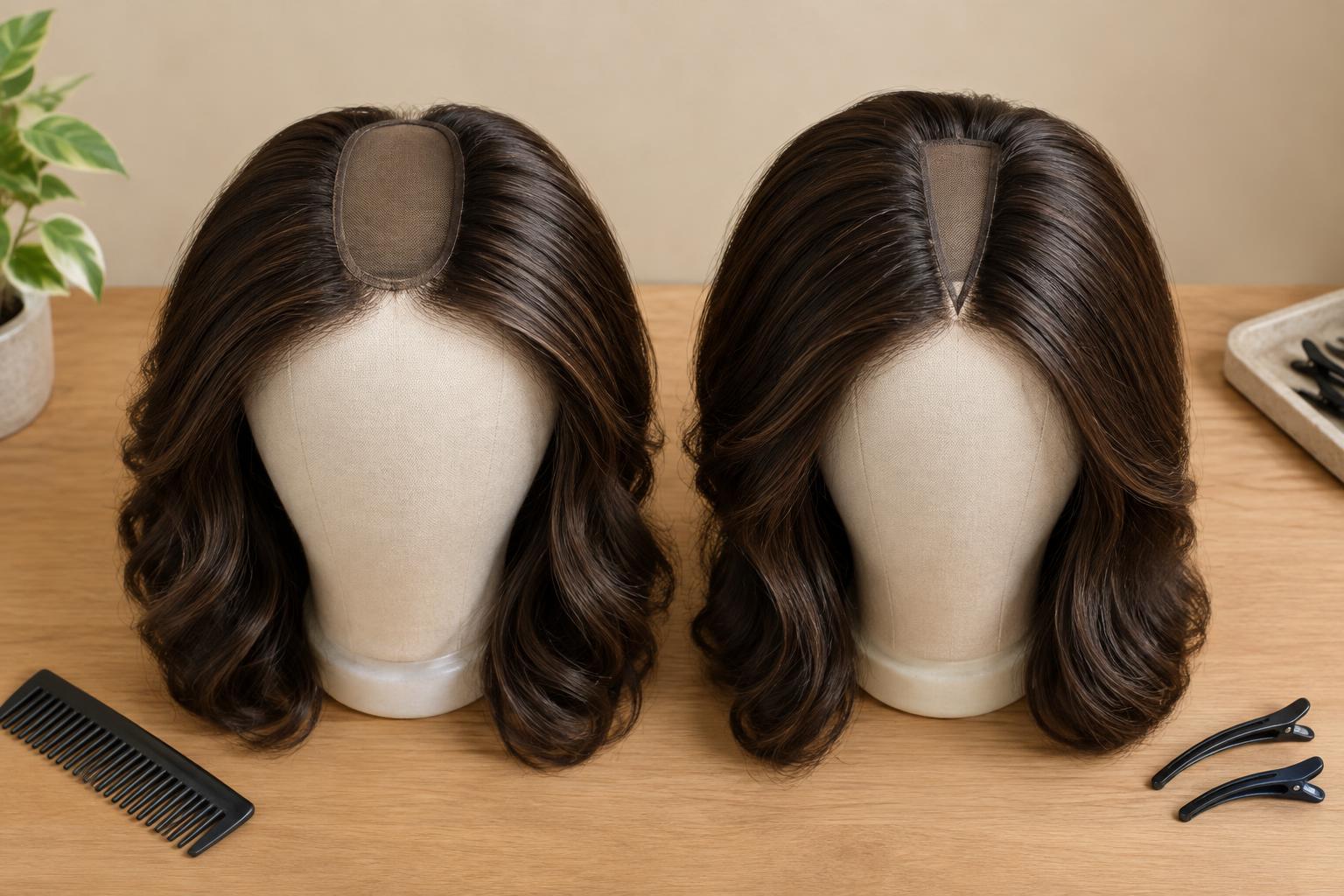
Lace is the mesh used at the front of many wigs to create the appearance of hair growing from the scalp. Individual hairs are attached to the mesh, which sits over the skin at the hairline. A lace-front wig uses it mainly around the front edge; a full-lace wig uses it across a larger area of the cap.
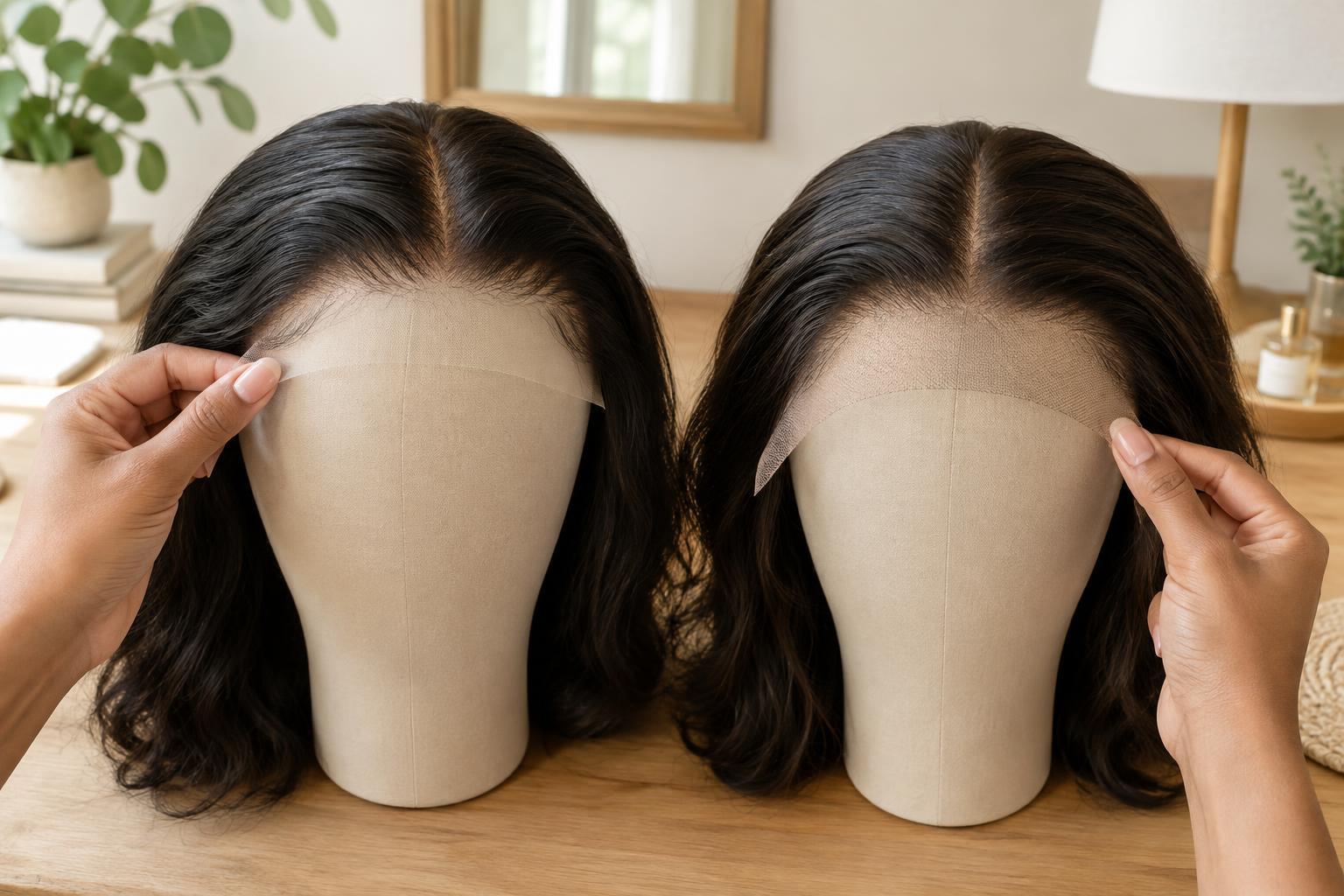
HD lace generally refers to a particularly fine, lightweight mesh intended to be less noticeable against the skin. Standard lace is a broad description for conventional wig lace, which may be thicker or more structured. These are shopping terms rather than fixed grades: two products labelled HD can differ, and standard lace varies too. Where possible, judge the actual mesh rather than relying on the name alone.
How fineness affects visibility
Fine HD lace can look less obvious at the hairline because the mesh is thin and its edge may blend more easily with skin. That can be especially appealing if you like to wear hair pulled away from your face. Standard lace may show its texture or edge more readily, particularly under bright light or when it does not lie flat. Neither type becomes literally invisible.
Lace is only one part of a natural-looking result. Mesh colour, knot size, hair density and the placement of the hairline all matter. A fine lace in a poorly matched shade may be more noticeable than a well-matched standard lace. Adhesive or styling product can also leave a visible line or shine. If you are comparing wigs, look at the hairline in ordinary light as well as close up, and check how it appears from the side.
A lace shade does not have to match skin perfectly straight out of the box to be wearable, but it should be a considered part of the choice. Some people adjust the appearance of lace with suitable cosmetics or tinting products. Test any product cautiously on a small area first, since colour and residue can change how the mesh looks.
The trade-off: delicacy and durability
Finer mesh generally calls for gentler handling. HD lace may be easier to stretch, snag or tear while putting on the wig, adjusting the edge or removing adhesive. Standard lace often feels firmer and may be more forgiving if you regularly handle the front of your wig. Construction and care still matter: no lace is immune to damage, and a sturdier label does not guarantee a long lifespan.
Think about how you plan to wear the wig. If a subtle hairline for occasional wear is your priority and you are comfortable handling delicate materials, HD lace may suit you. If you expect frequent wear, repeated removal or a lower-maintenance routine, standard lace may be a more practical starting point. Comfort and security also depend on cap fit; lace alone cannot compensate for a wig that is too tight or shifts during wear.
How to compare wigs before buying
Check how much lace the wig has, not just which type it uses. A narrow lace-front area offers different styling options from a wider front or a full-lace cap. Ask for clear close-up images of the mesh and hairline if you cannot examine the wig in person. Product descriptions may also tell you whether the lace arrives pre-cut, how dense the front is and whether the knots have been altered for a softer appearance.
If you can try a wig on, place it where you would normally wear the hairline and see whether the lace lies comfortably without pulling. Consider your usual styles: a fringe or loose layers may make the lace edge less prominent, while a swept-back style puts it on display. Price alone is not a reliable guide to how natural a wig will look on you. Fit, hairline design and your willingness to maintain delicate lace deserve equal attention.
Caring for either type of lace
Handle the mesh by supporting it with your fingers rather than pulling at one point. When removing a wig secured with adhesive, use a remover suited to the adhesive and follow its directions; do not tug the lace free. Clean away product build-up gently and allow the lace to dry before storing the wig. Avoid vigorous rubbing, especially around the hairline where hairs are attached.
Store the wig so the front edge is not folded, caught or pressed against fastenings. These habits help protect both HD and standard lace, though extra care is worthwhile with finer mesh. The best choice is not simply the lace that looks least visible in a photograph: it is the one that gives you an appearance you like and fits the way you actually plan to wear, handle and care for your wig.