Start with the fit, not the fastening
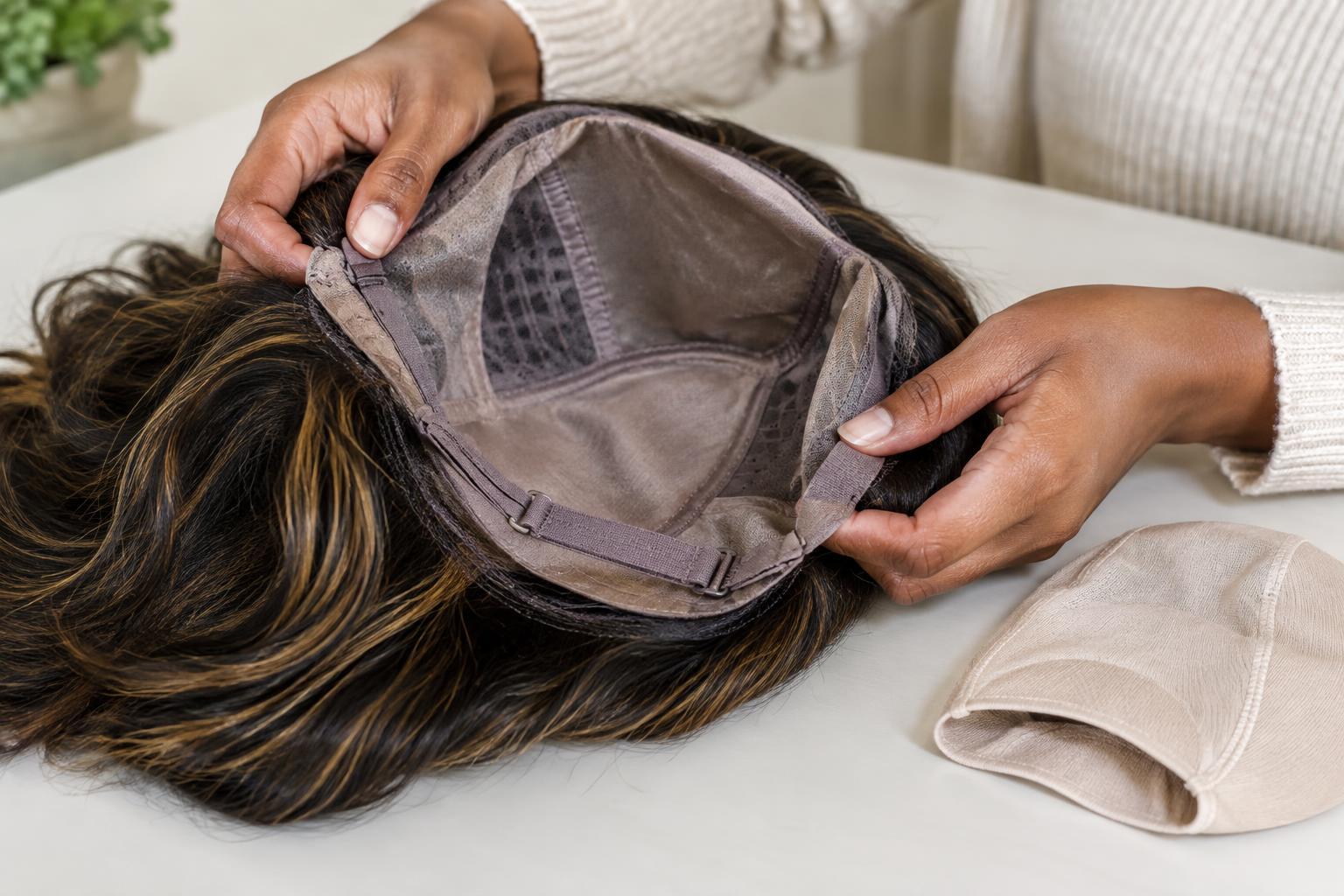
A wig that feels loose does not always need a stronger attachment. Its cap may be too large, its adjustable straps may need changing, or the hair underneath may be creating an uneven base. Before adding a grip, clip or adhesive, place the wig where you want its front edge to sit and check that the cap covers your head comfortably. Adjust any built-in straps in small steps. The wig should feel settled without pulling at your hairline or pressing firmly behind your ears.
Think about what you need the wig to stay secure through: a short outing, a full day, frequent movement or a quick change between styles. Also consider whether you have enough natural hair for clips, whether you prefer to avoid products on your skin, and how much time you want to spend putting the wig on and taking it off. There is no single best method for everyone; the right one is the method that holds reliably without causing discomfort.
Wig grips: simple, removable support
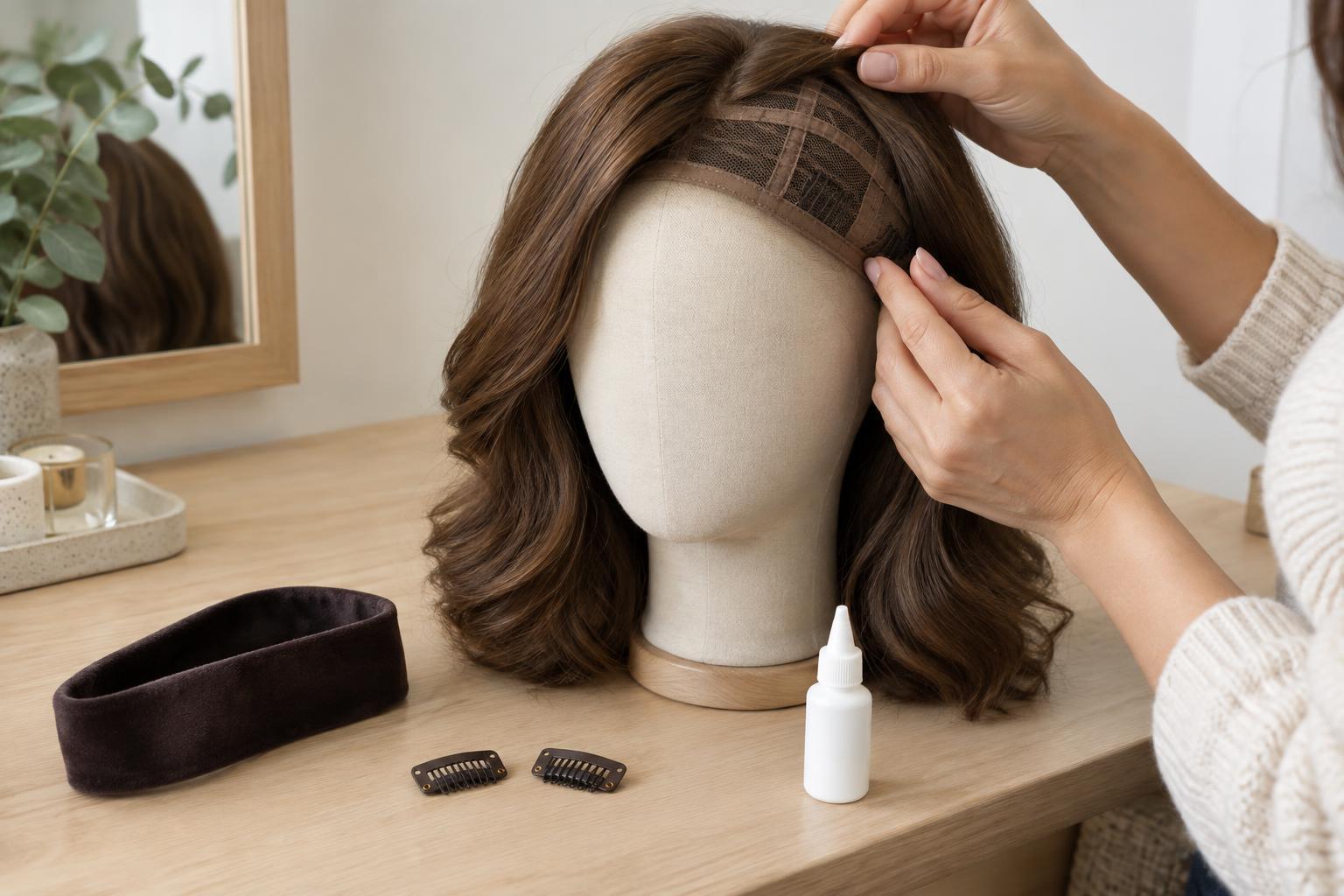
A wig grip is a band worn between the head and the wig. It adds friction, which can help limit slipping without attaching the wig to hair or skin. Grips can be useful if you want an option that is quick to put on and remove, particularly for everyday wear. They come in different widths and materials, so check how much space one takes up beneath your wig and whether it shows near the hairline or parting.
Position the band flat and follow its maker’s guidance on which side should face the wig. It should feel snug rather than tight. If the wig rides back, check that the grip has not rolled or shifted; if the cap feels bulky, try repositioning the band before tightening anything else. Wash the grip as directed and let it dry fully between uses, since a stretched or slippery band may no longer hold as expected.
Clips and combs: useful when there is hair to anchor to
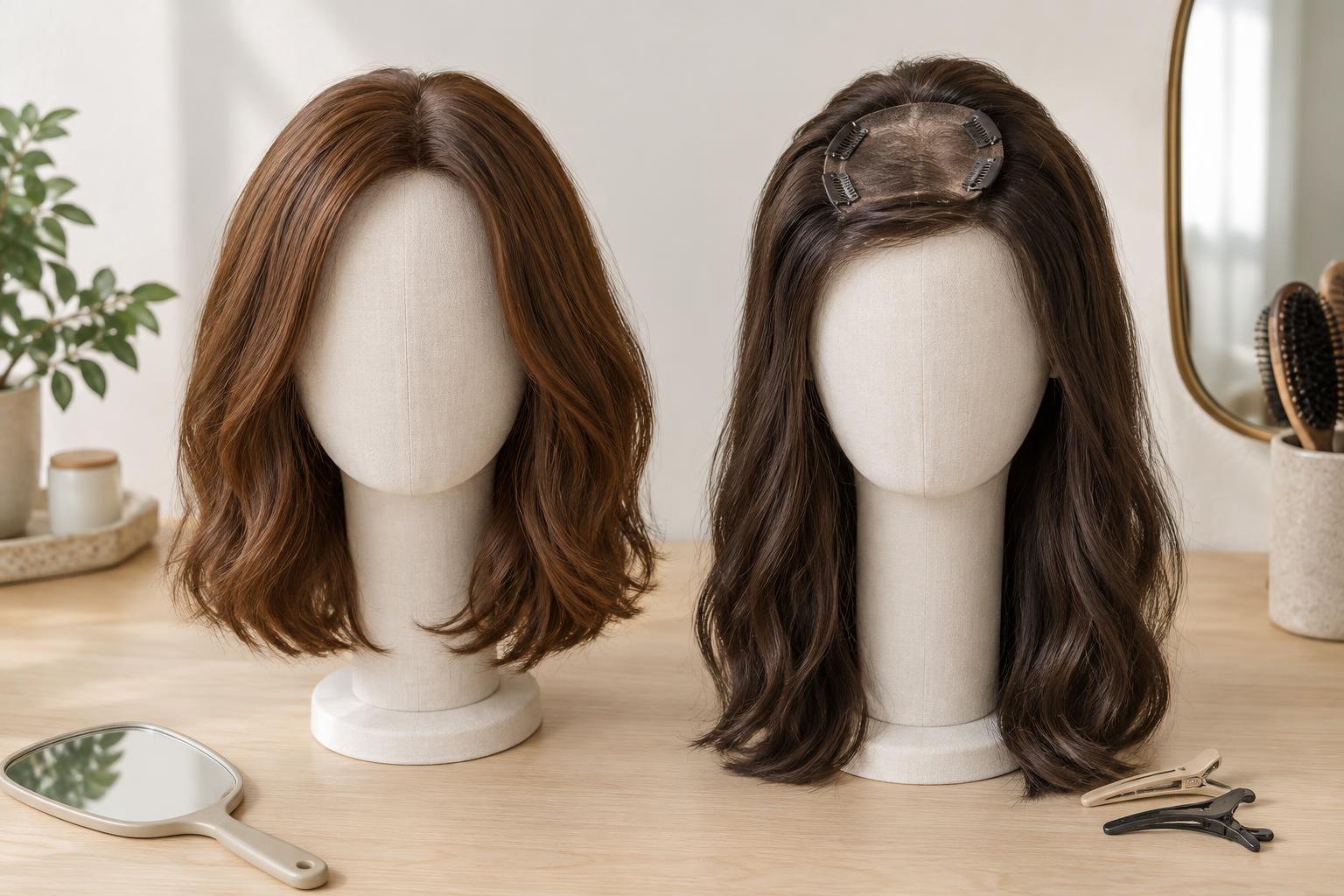
Some wigs have sewn-in clips or combs, and compatible clips can sometimes be added to a cap. These fasteners catch in natural hair, which makes them an option for people who have enough hair in the areas where the clips sit. They can help steady a wig at the sides, nape or other points that tend to lift. Check that each fastener closes smoothly and lies flat; a clip that digs in is not a good trade-off for security.
Avoid fastening clips repeatedly to the same small section of hair or pulling hair taut to make them hold. If you have very little hair, fragile hair or a sensitive area where a clip would sit, a grip or another non-clip option may be more comfortable. Open clips before removing the wig rather than tugging the cap free. If a wig already has combs, you do not have to use them all: choose only the ones that help without pulling.
Adhesive: precise placement with more preparation
Wig tape and wig adhesive are designed to attach part of a wig—often its lace front or perimeter—to skin. They may appeal if you want a close-fitting front edge or if a grip does not provide enough hold for your plans. Products differ in application, hold and removal, so choose one intended for wigs and compatible with the wig’s construction. A lace-front wig, for example, may need a different approach from a wig with a thicker, non-lace edge.
Adhesive also adds steps. Start with clean, dry skin, follow the product directions and test a small area first if the instructions recommend it. Do not apply adhesive over irritated or broken skin. To take the wig off, use the recommended remover and work slowly rather than lifting or pulling at the lace. Allow any cleaned lace and skin to dry before the next application. If a product stings or causes irritation, stop using it; a more comfortable fastening method is worth considering.
Try a practical fit check before heading out
Once you have chosen a method, wear the wig at home for a while. Turn your head, look down, move as you normally would and check the front edge, sides and nape in a mirror. Notice both movement and pressure: a wig can stay in place yet still feel too tight. If it shifts, change one thing at a time—the strap setting, hair preparation, grip position or fastening points—so you can tell what helps.
You can also combine methods when it makes sense, such as a grip for general stability and a small amount of wig-safe tape for a particular edge. More attachment is not automatically better. Aim for the least complicated setup that feels secure for your routine, and reassess it when you change wigs, hairstyles or how long you wear the wig.