What wig density actually describes
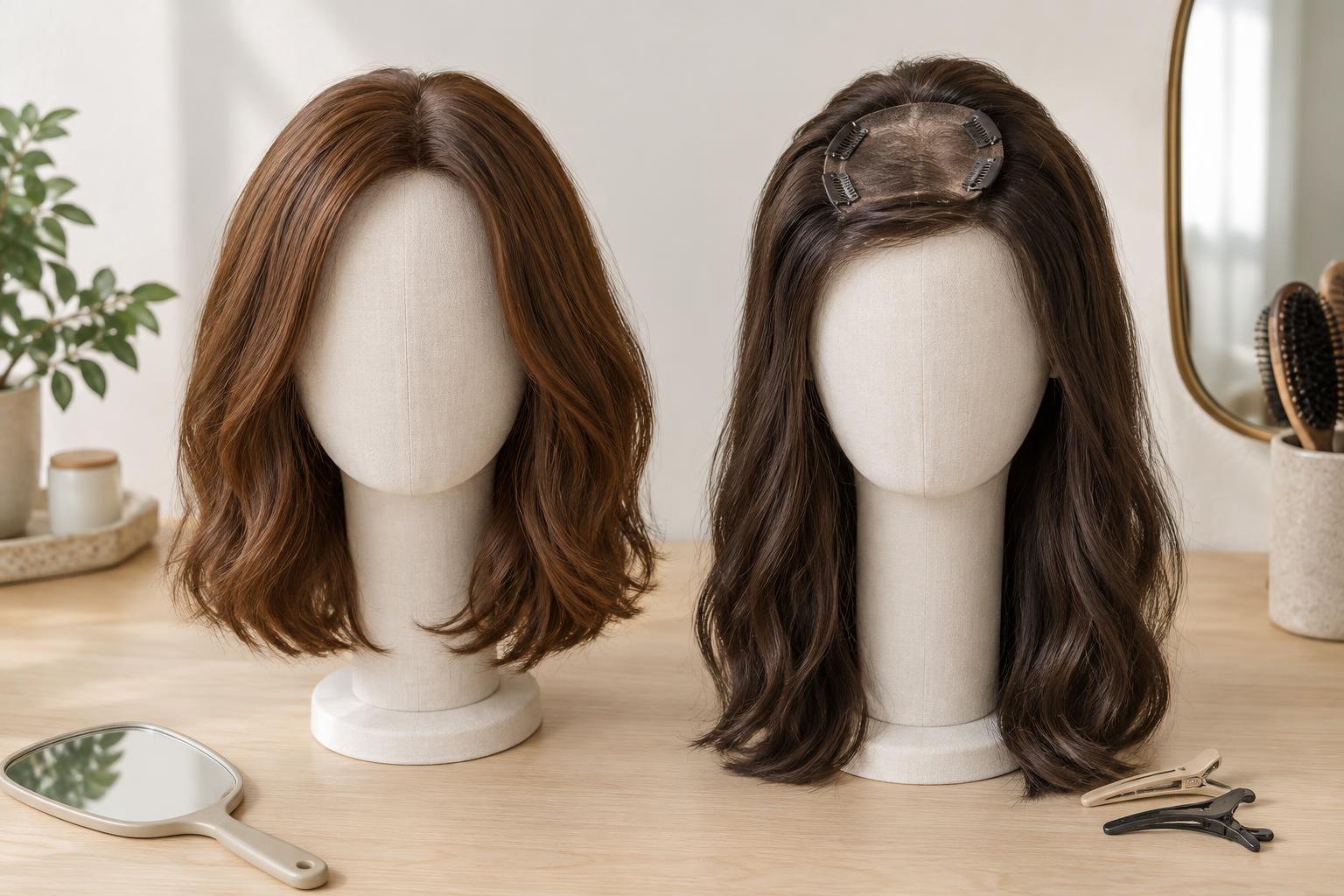
Wig density refers to the amount of hair attached to a wig cap. More hair generally creates a fuller appearance; less hair usually gives a lighter, flatter look. Density is not the same as the thickness of each strand. A wig with many fine strands can look different from one with fewer coarse strands, even if both are described as having the same density.
Retailers may use terms such as light, medium and high density, or give density as a percentage. Treat these as comparison tools rather than precise guarantees. There is no single appearance that a density label will produce across every brand, cap design or hair type. If you are comparing products, look at photographs and descriptions alongside the number, ideally using examples from the same retailer.
Start with the silhouette you want
Think first about the shape you would like to see in the mirror. For a close-to-the-head style, a lighter density may be easier to keep sleek and can make a defined part look less crowded. Medium density can offer enough hair for movement and everyday styling without making fullness the main feature. Higher density is worth considering if you want a deliberately abundant shape, a wide ponytail or substantial volume through long lengths.
Your preferred look need not be based on your natural hair. You might want a subtle change for daily wear or a dramatic style for an occasion. If you plan to wear the wig often, also consider how much hair you feel comfortable arranging, brushing and keeping off your face. A style that looks appealing in a photograph may take more effort to manage at home.
Account for length, texture and construction
The same density can look different on a short wig and a long one. Hair on a longer wig has more length over which to spread, so the ends may look thinner than the crown. If you want a full-looking hemline, examine pictures of the ends as well as the top. On a short cut, extra density may be especially noticeable around the sides or fringe.
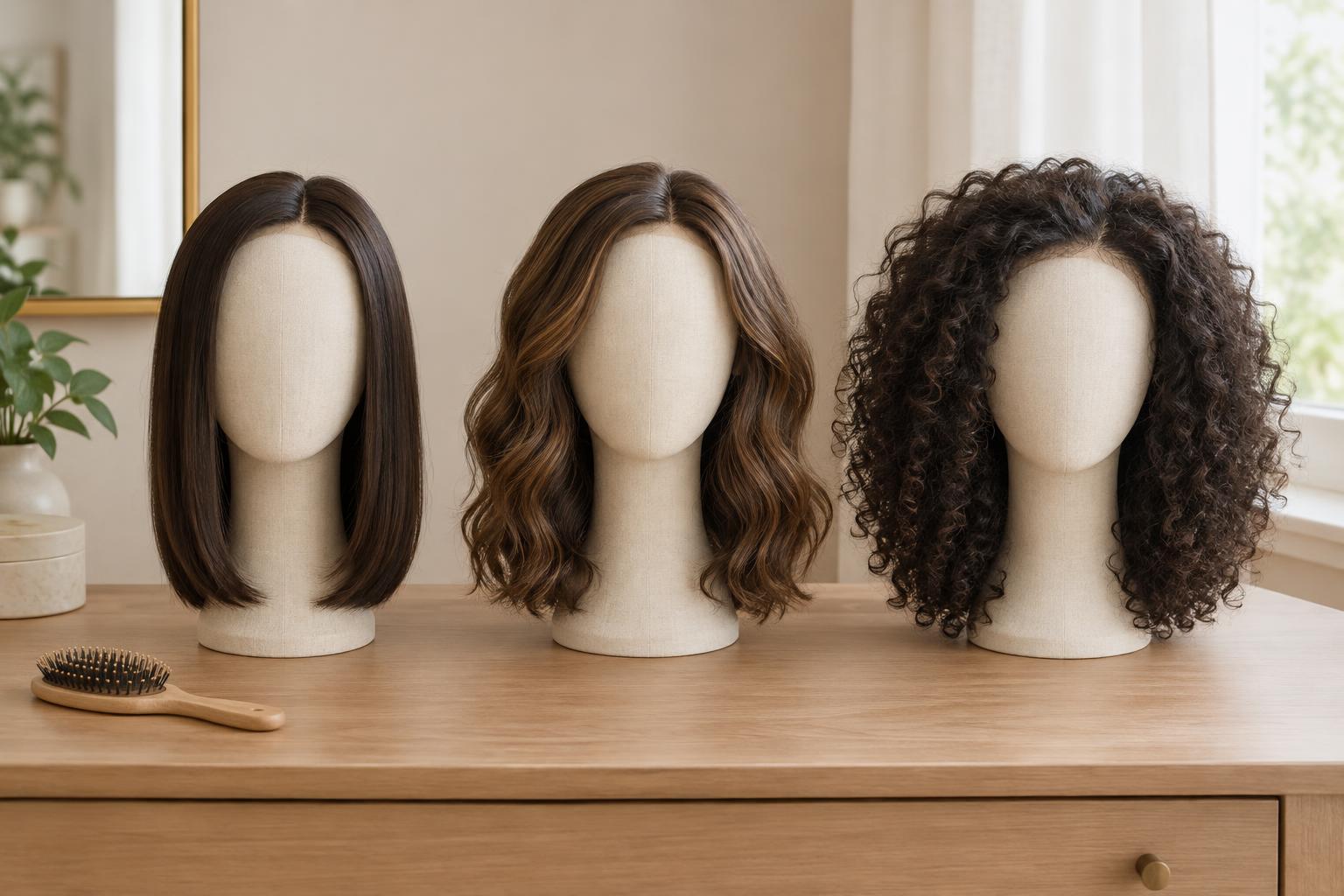
Texture changes the impression of volume too. Curls and waves occupy more space than straight hair, while a smooth, straight finish can make the amount of hair more apparent at the ends. Styling also matters: teasing, layers and a side part can create lift without adding hair. Conversely, a sleek finish can make a relatively full wig appear more controlled.
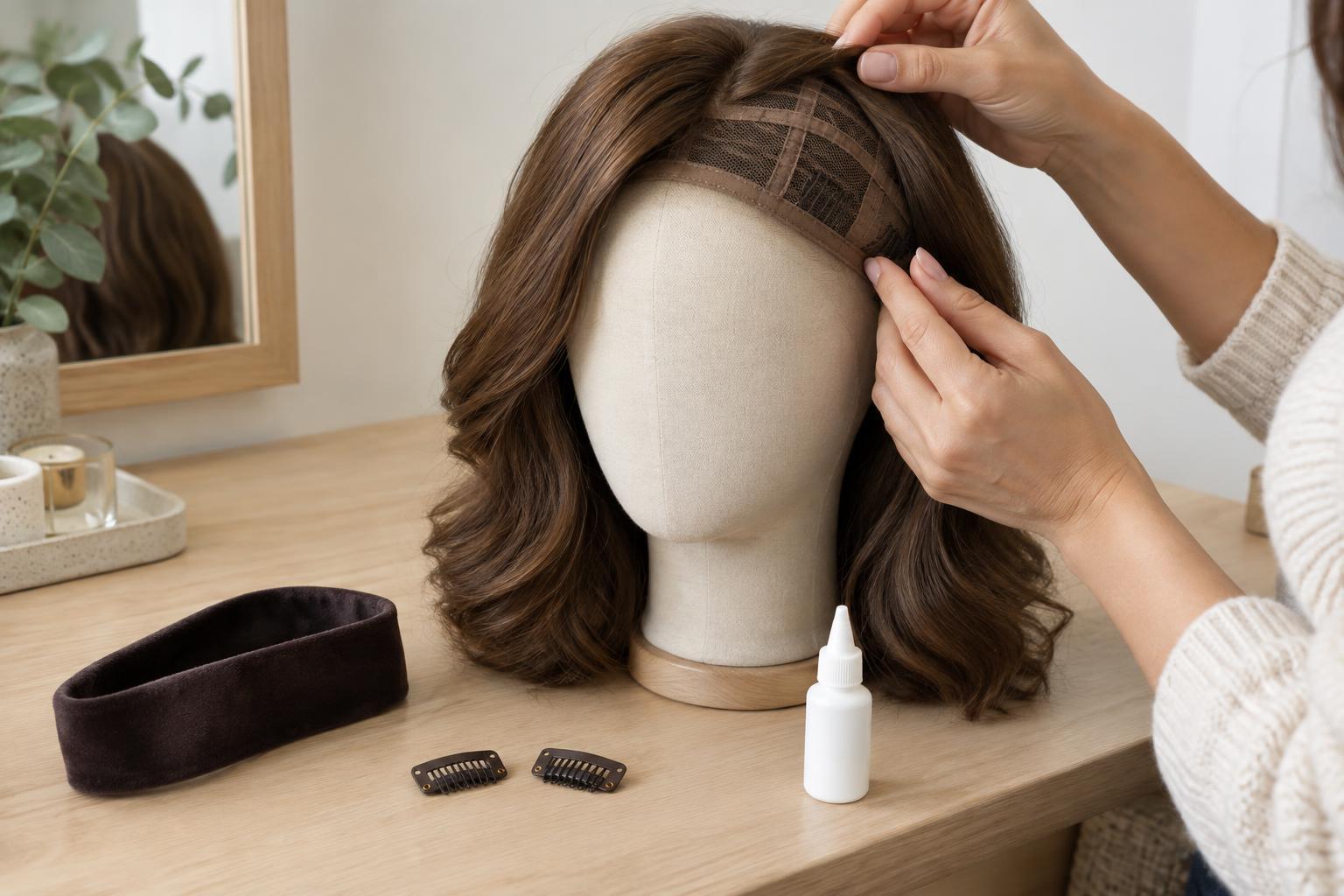
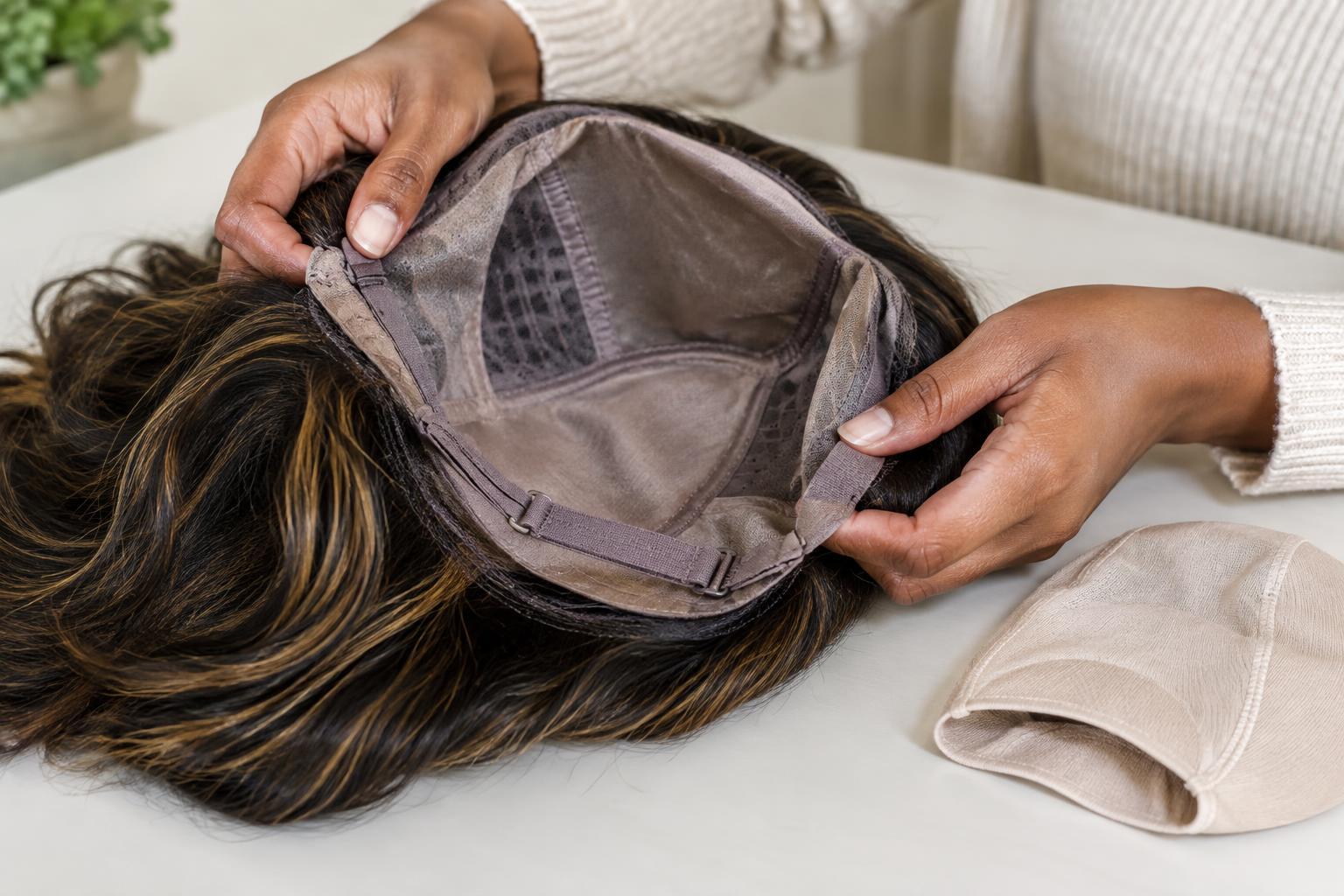
Look at where the hair is attached, not just how much there is overall. A cap with a lace part or lace front may show a different distribution from a wefted cap, and a particularly full hairline can affect how natural the front looks to you. Product photos taken from the front, side and back are more useful than a single styled image.
Balance fullness with comfort and fit
More hair can add weight and warmth, although cap materials and construction also influence comfort. If you expect to wear a wig for long periods, consider whether you would rather have maximum volume built in or start lighter and add lift through styling. Density does not determine cap size: a full wig can still be too loose, and a light wig can still feel tight.
Check the retailer’s sizing guidance and measure your head as directed. If you will wear your own hair underneath, consider how it will be secured and how much bulk it adds. A smooth, well-fitting base helps you judge the wig’s shape accurately; a poorly positioned cap can make even a suitable density look uneven or feel awkward.
Compare before committing
When shopping online, look for images or videos that show the wig with minimal styling as well as its finished look. Read the description for length, texture, cap type and any notes about fullness at the ends. If two options appeal to you, comparing them within one product range may be more helpful than relying on density labels from different sellers. Check the returns policy before buying, particularly if you are unsure how the volume will look on you.
If you can try a wig on, view it from several angles and move your head naturally. Notice whether you like its shape before adding products or accessories. Some wigs can be thinned by someone experienced in wig cutting, but removing hair is difficult to reverse. When you are uncertain, it is sensible to choose the density you would be happy to wear as it is, rather than counting on a major alteration. The best choice is the one that gives you the volume you want while fitting comfortably into your routine.