The difference is in the shape
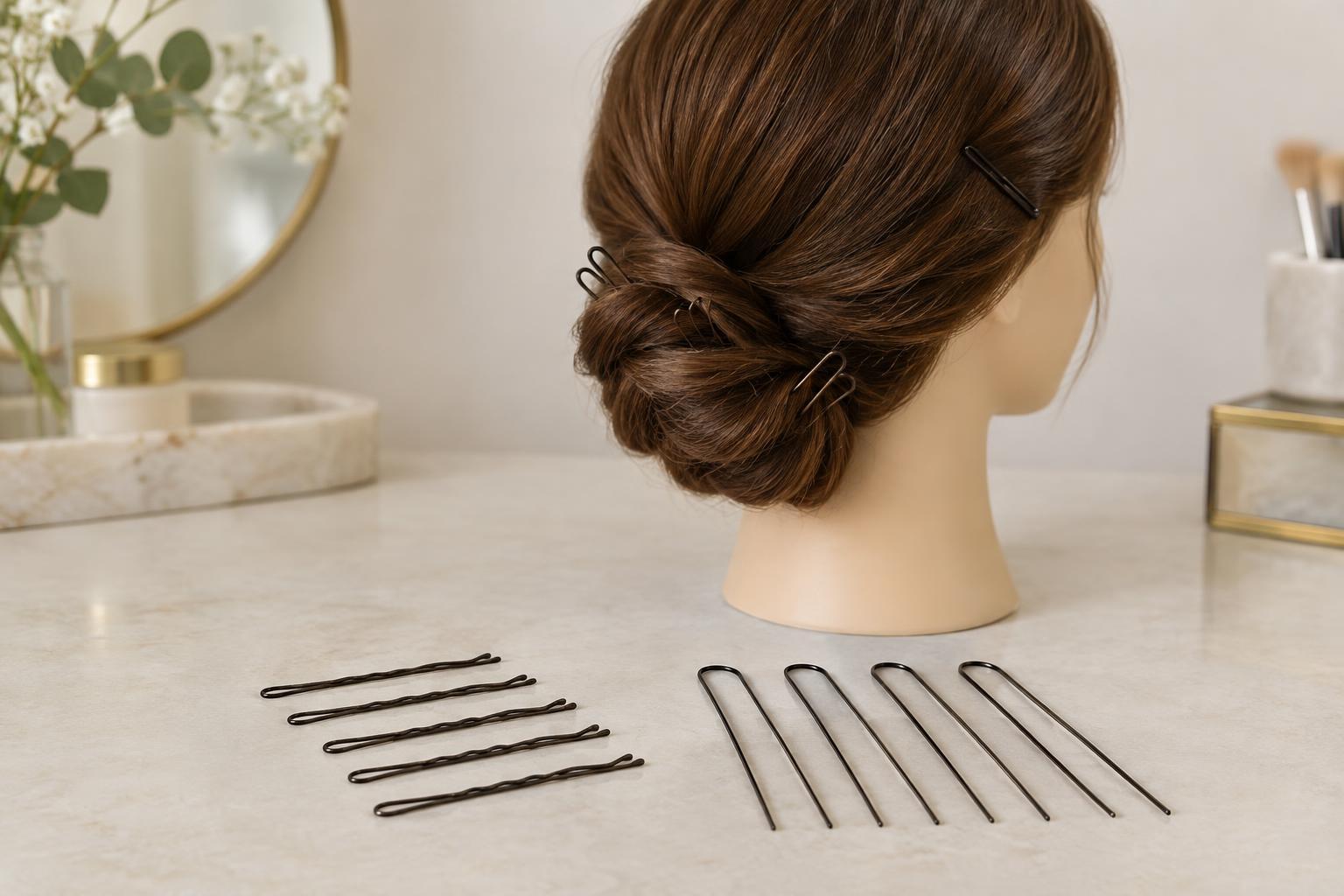
A bobby pin is a narrow, closed pin with two arms that press together. One arm is usually ridged and the other is straighter. That spring-like grip makes it useful for holding a small section of hair close to the head: a stray strand beside the face, the end of a braid, or a neat twist at the hairline. Bobby pins are often meant to disappear into a style, although visible pins can be a deliberate detail.
A hairpin, often called a U-pin, has two open prongs joined by a rounded bend. It does not clamp a section tightly between its arms. Instead, it supports hair by passing through a bun, roll or twist and catching some hair beneath it. Think of a bobby pin as a small clamp and an open hairpin as an anchor. Both come in different lengths and finishes, so check the shape rather than relying on the name on the packet.
Choose a bobby pin for small, flat sections
Bobby pins work best when there is a modest amount of hair between the arms. To secure a strand, lay it where you want it, then slide the pin in close to the scalp or the surface supporting the style. For a twist, catch a little hair from the twist and a little from the hair underneath. If the pin springs wide open, it is probably holding too much; use another pin or divide the section.
A pin that follows the direction of the hair is easier to conceal. For extra hold, two bobby pins can cross over a small section. Their ridged sides can help grip, but there is no universal rule that one side must always face up: the secure orientation depends on the hair, the style and the pin. Avoid repeatedly forcing a bent pin back into shape, as a pin that no longer closes evenly is less dependable and may snag.
Choose a hairpin for a bun, roll or twist
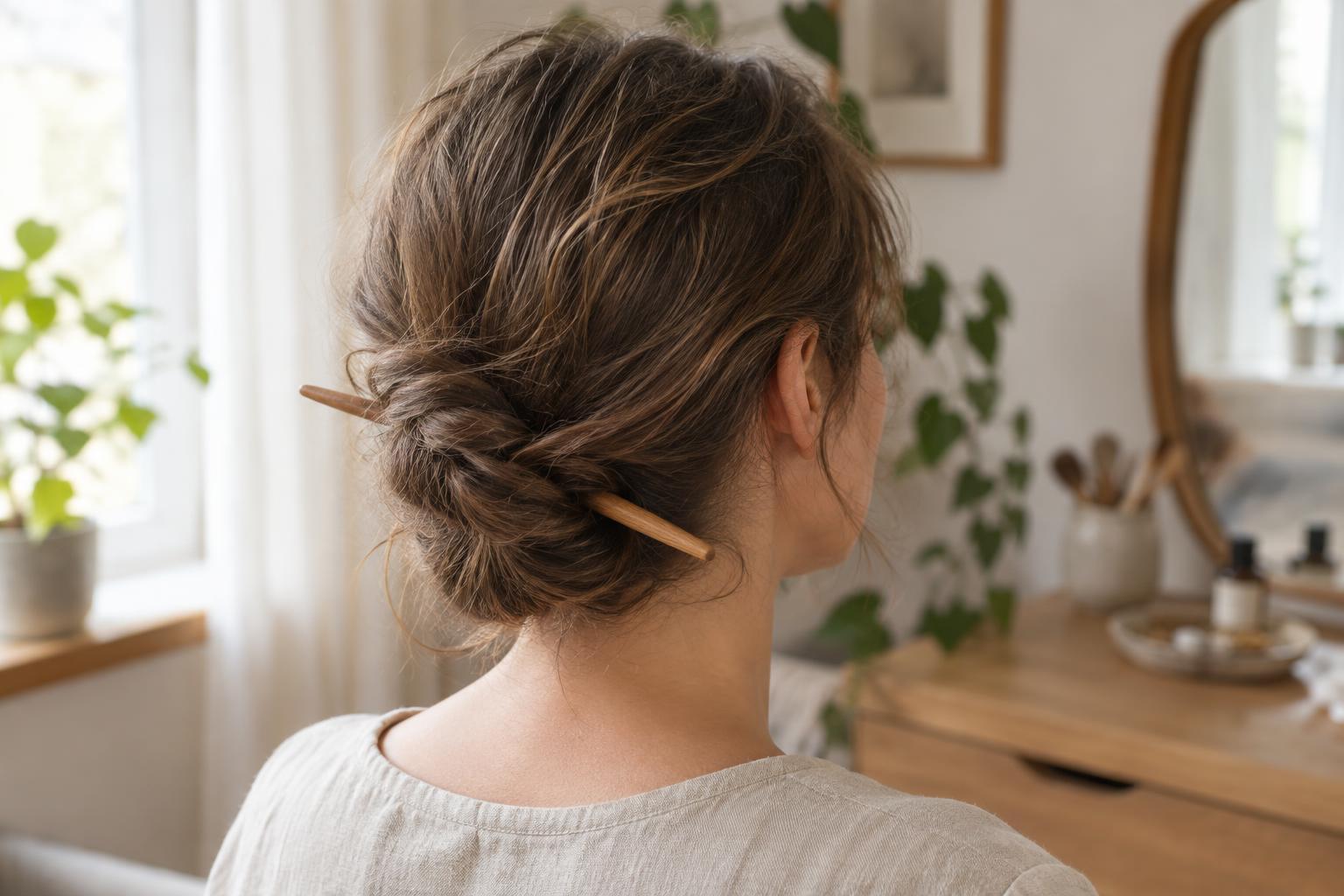
An open hairpin is well suited to a larger shape that already has some structure, such as a coiled bun or a French-style twist. To place one, catch a small amount of hair at the outer edge of the shape, then turn the pin inward so its prongs travel into the bun or twist and pick up some of the hair supporting it. Several pins spaced around the shape usually distribute the hold better than one pin pushed through the centre.
Hairpins need something to anchor into. If a style feels loose, try making the bun more compact or establishing a secure base before adding pins. On very smooth or short hair, an open pin may slide out more readily than a bobby pin. Larger U-pins can support fuller shapes, while smaller ones can tuck away individual loops. Neither size should feel as though it is pulling at the roots.
Using pins with wigs and hairpieces
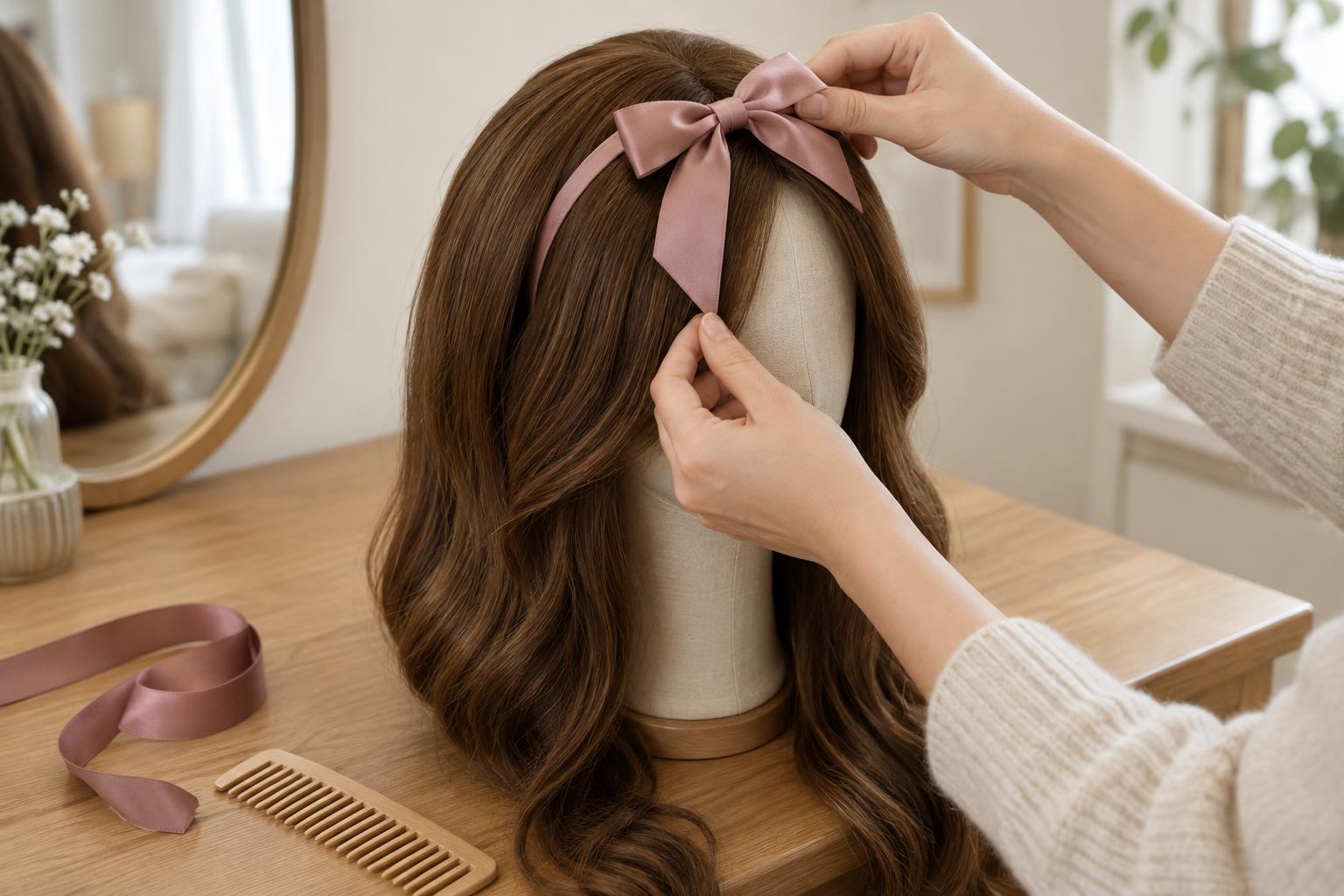
With a wig, consider what the pin is gripping. Bobby pins can tidy a small section of wig hair, while U-pins can help shape an updo if there is enough hair and a suitable base to anchor them. Neither pin is a substitute for a properly fitting wig. If the wig shifts when you add a pin or move your head, check the fit and the attachment method rather than adding more pins to the style.
Take particular care around lace, mesh and delicate cap areas. Pushing a pin through the cap can catch threads or create damage, so aim to work within the hair where possible and avoid sharp or rough tips. A heavier bun may put strain on a wig or hairpiece even when the pins themselves hold. Keeping the style lighter or lower can be more comfortable than trying to secure a large shape with additional hardware.
A quick check before you leave the mirror
Once the style is pinned, gently move your head and feel for slipping, pressure or scratching. A secure pin should hold without needing to be driven hard against the scalp. If an end sticks out, remove and reinsert the pin rather than pushing it farther into an uncomfortable position. When taking pins out, ease them free one at a time to avoid pulling hair or catching a wig cap.
For a simple choice, reach for a bobby pin when you need to keep a small piece of hair in place, and an open hairpin when you need to support the shape of an updo. You may use both in one style: hairpins for the main bun and bobby pins for the loose ends. The right result is not the one with the most pins, but the one that stays put and feels comfortable.